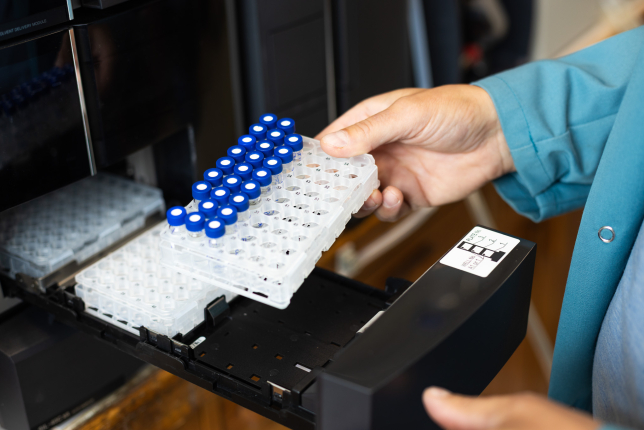
What Can This Equipment Do? A Scanning Electron Microscope Reveals Material Microstructure
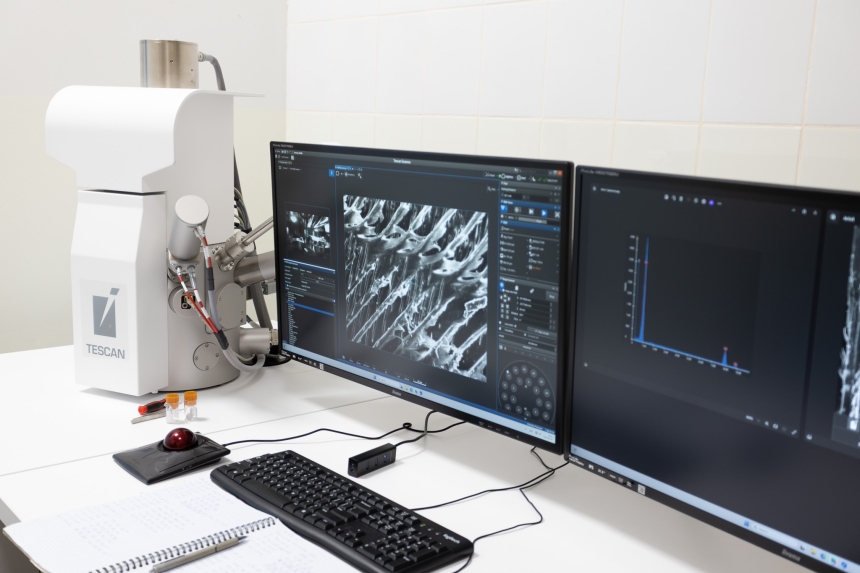
The research infrastructure of the Latvian State Institute of Wood Chemistry (LSIWC) has been supplemented with a new scanning electron microscope (SEM), which can operate in both high- and low-vacuum modes, expanding its applications in materials structure research. The new microscope is equipped with detectors that enable both high-resolution imaging of material surface structures and qualitative and quantitative analysis of the chemical elements present in the material under study. The design of the new equipment also allows for the integration of additional detectors in the future.
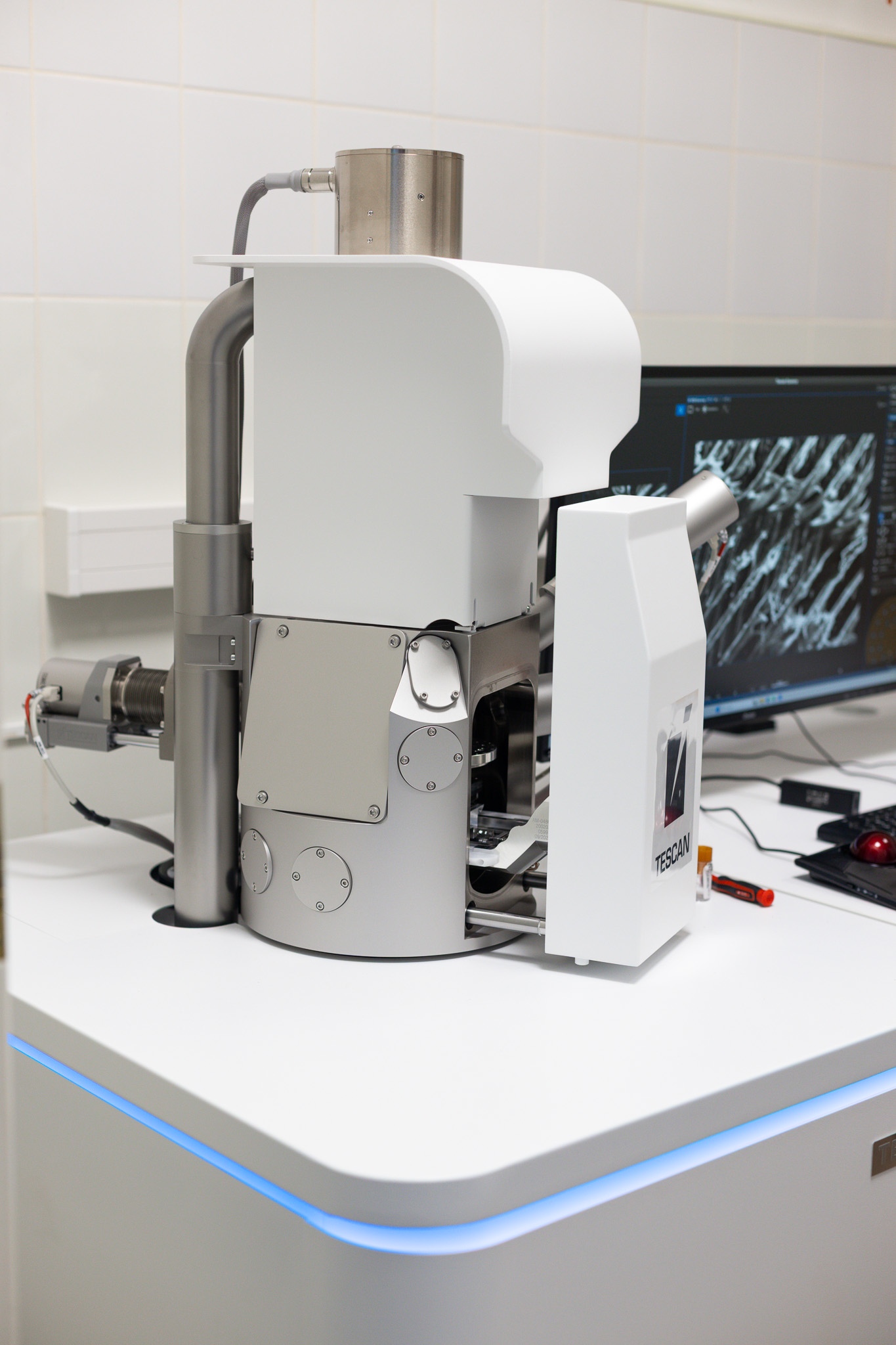
The new scanning electron microscope
Scanning electron microscopy is an important method for materials research. Many materials may appear homogeneous from the outside, while their complex structure is revealed only at the microscopic level. Wood is one such material, and SEM is an invaluable tool for its study. By providing topographical images of wood cell structures, it helps researchers analyse and understand various processes taking place within wood. Microstructural analysis is also essential for the development and improvement of many new materials, as their microstructure is closely related to their physical and mechanical properties. SEM makes it possible not only to study material structure, but also to compare structures before and after different treatment methods and exposure to environmental conditions, as well as to analyse surface morphology, porosity, and the distribution of fibres and other structural elements.
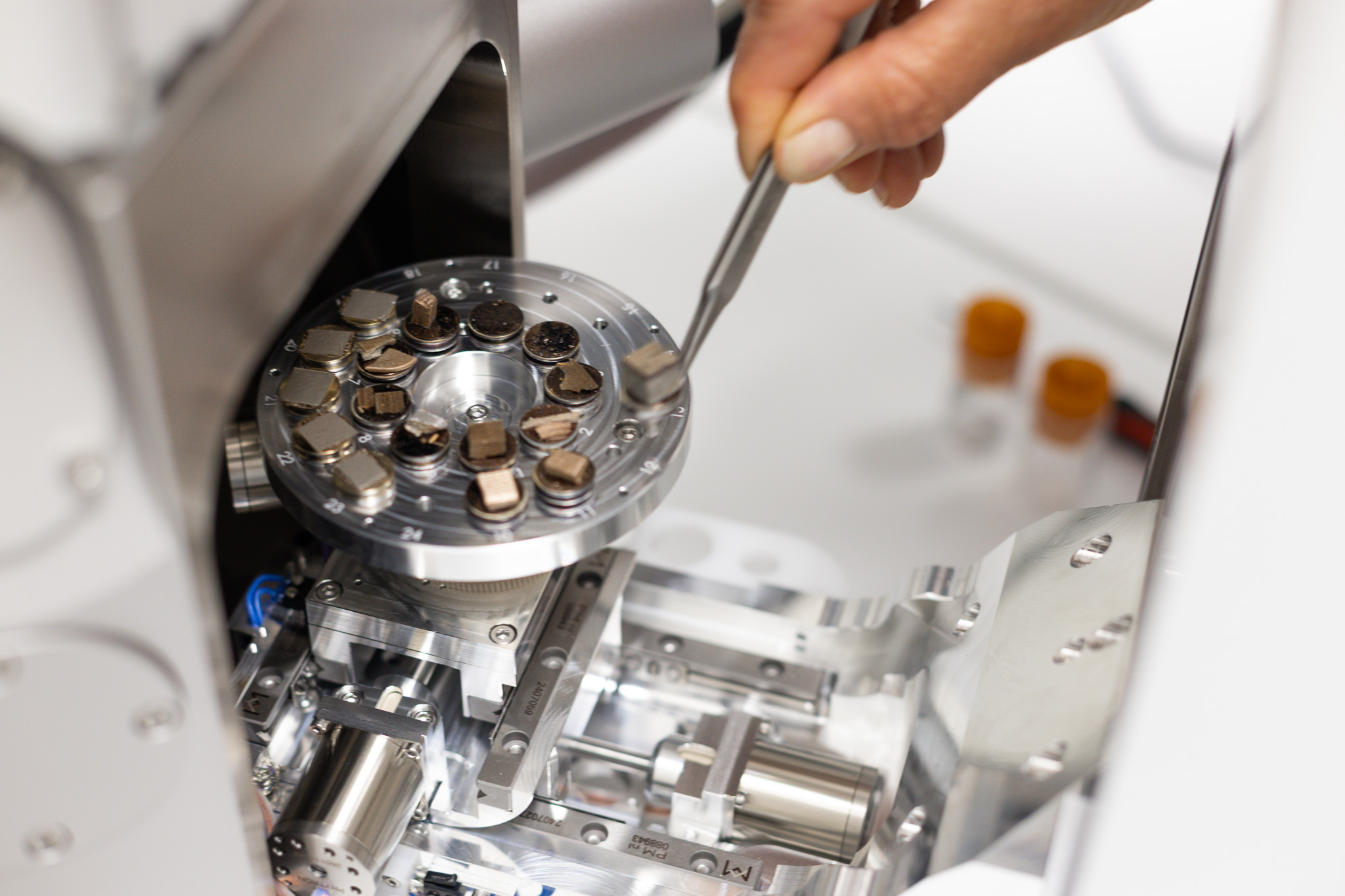
Sample loading
How Could This Equipment Be Used in Real Research?
One example is the SuReUP project implemented by LSIWC, which focuses on the sustainable reuse of wood from removed utility poles. The wood used in these poles has been exposed to prolonged contact with wood preservatives and weathering. The project aims to determine how this exposure has affected the properties of the wood and how wood from removed utility poles could be used to manufacture new solid wood products with high bio-durability. In such research, SEM helps to understand changes in the wood structure and, by analysing the amount and distribution of copper in the wood cell walls, investigate how the copper-containing preservative has migrated through the wood over time. This is an important part of a comprehensive assessment of the wood, which, together with other analytical methods, helps determine whether and how wood from removed utility poles can be reused.
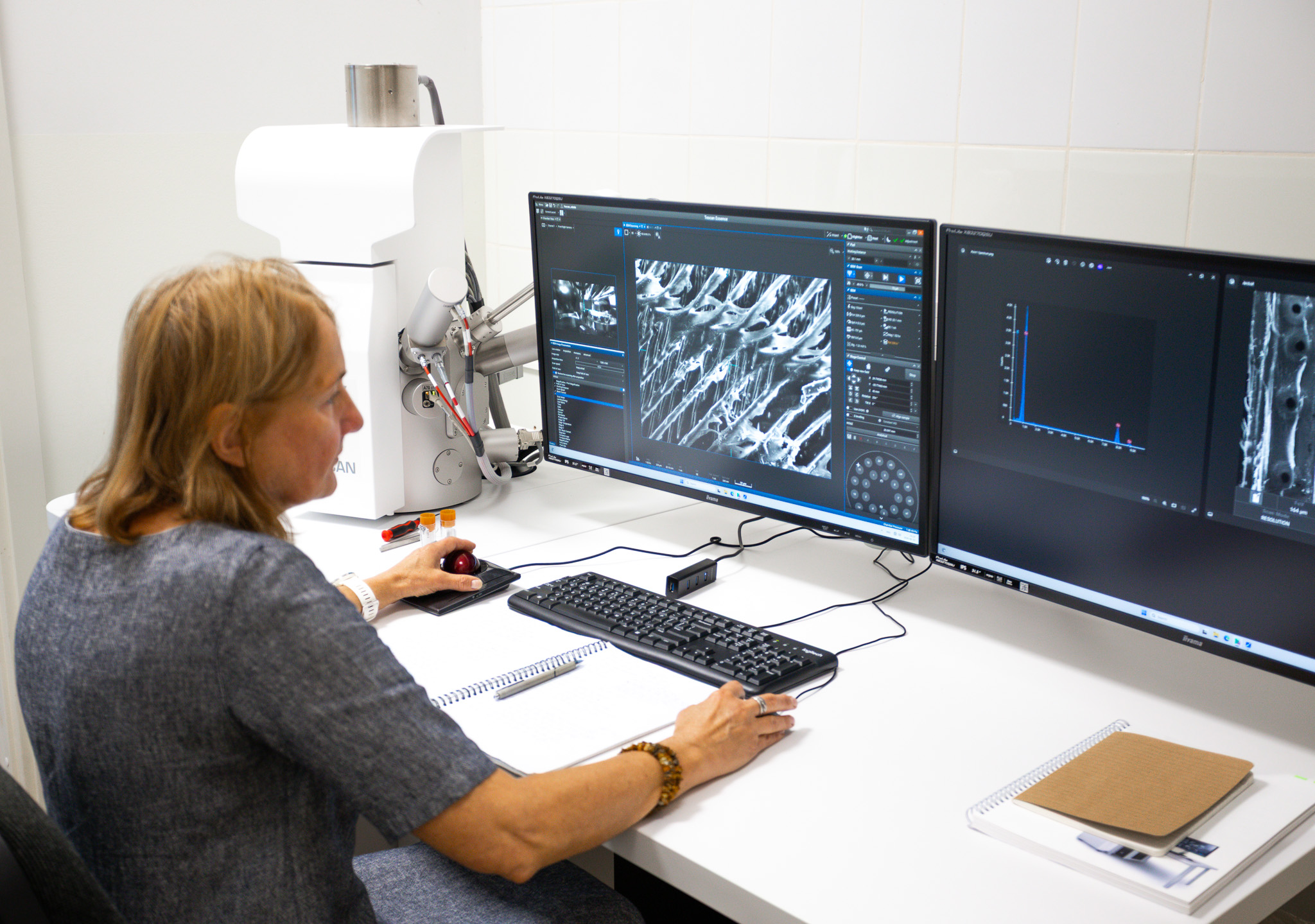
Dace Cīrule, Leading Researcher at the LSIWC Laboratory of Wood Degradation and Protection, analysing a wood sample
Microstructural analysis is similarly relevant in the LIGsp project, which focuses on synthesizing carbon microspheres from lignin and other biorefinery byproducts, including phenolic-containing biooil fractions, and investigating their potential applications in energy storage and other electrochemical technologies. Within the project, SEM has been used to determine the morphology and particle size of the resulting carbon particles.
These examples demonstrate how a detailed view of materials can support very different types of research — from understanding the condition of decommissioned wood to developing new biomass-derived materials.
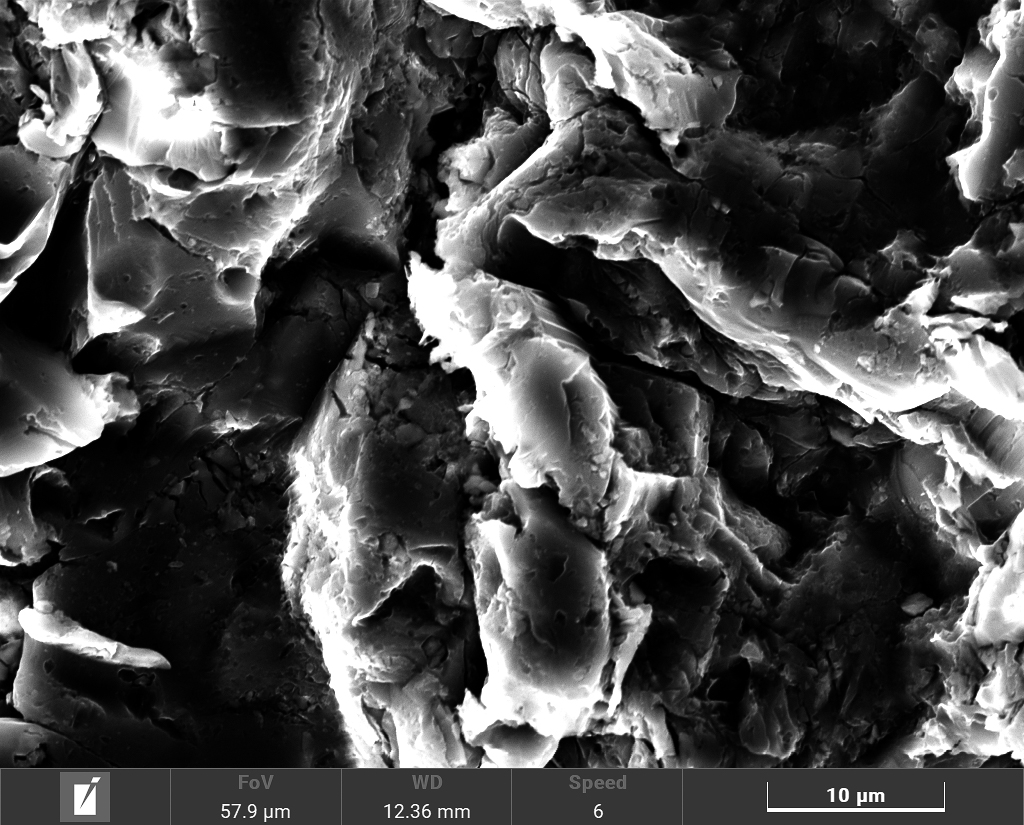
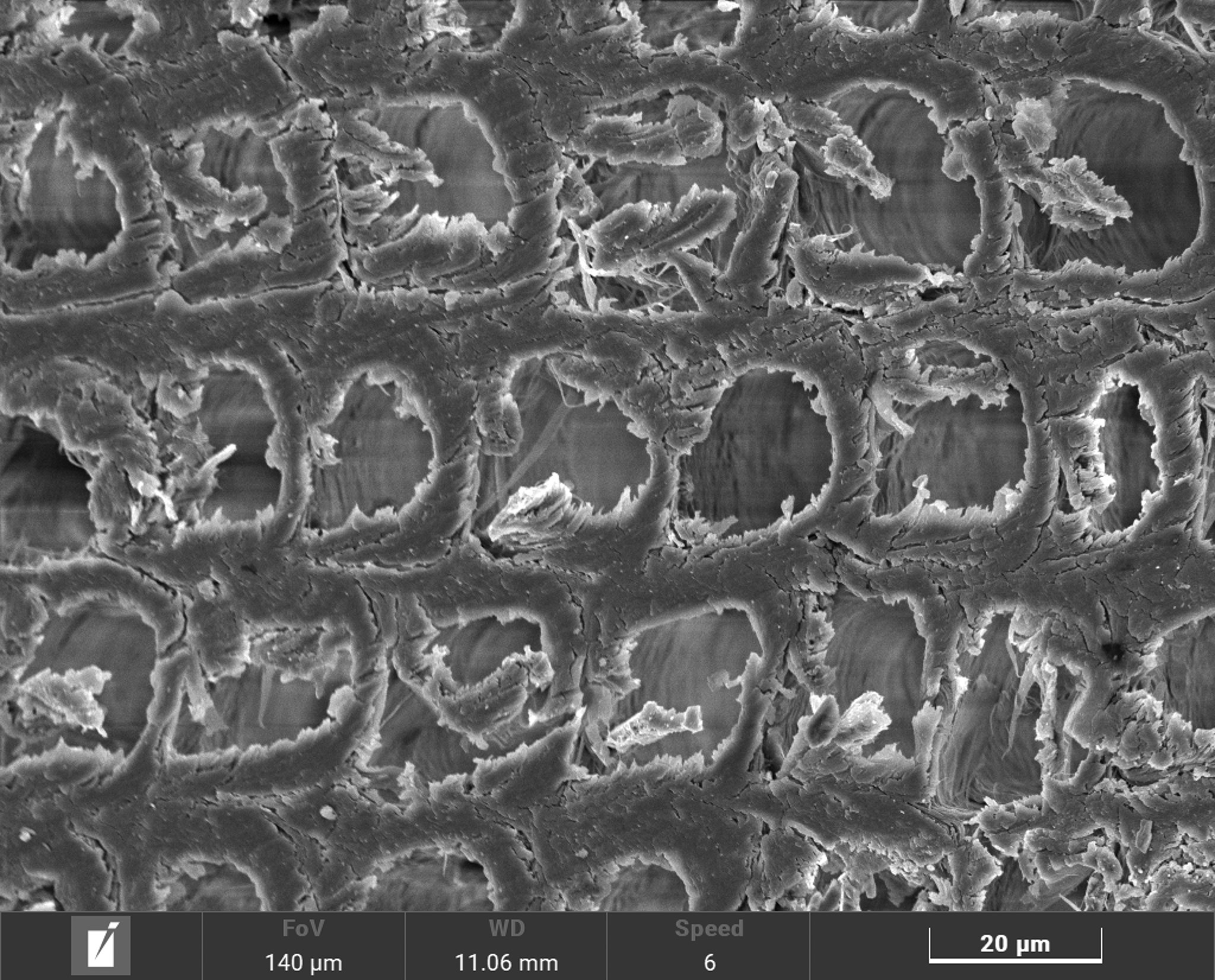
Microstructure of wood and a wood-based composite material in scanning electron microscope images
The equipment was purchased within Project No. 1.1.1.2/1/25/I/003 “Development of the Bioeconomy Excellence Centre at the Latvian State Institute of Wood Chemistry (WoodChemPlus)”. The project is co-financed by the European Union.