What Can This Equipment Do? A New Mass Spectrometer Enhances Biomass and Materials Analysis
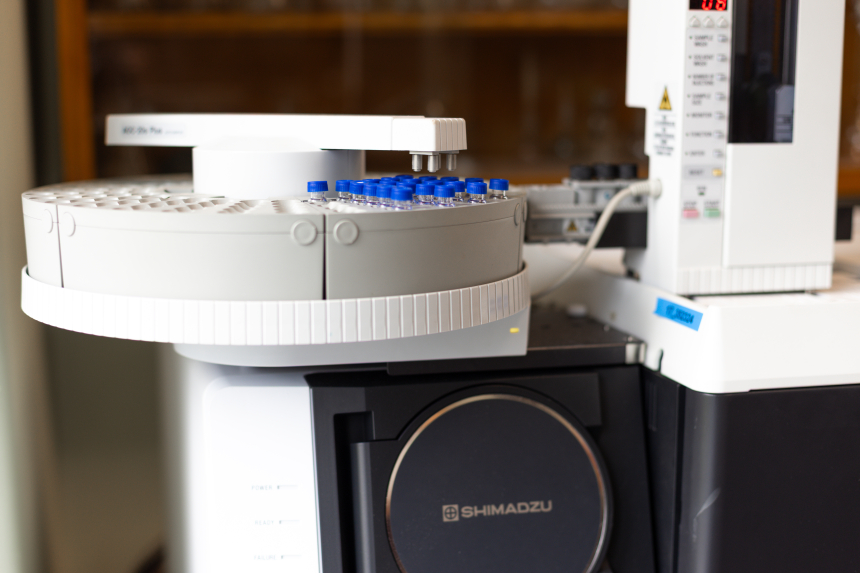
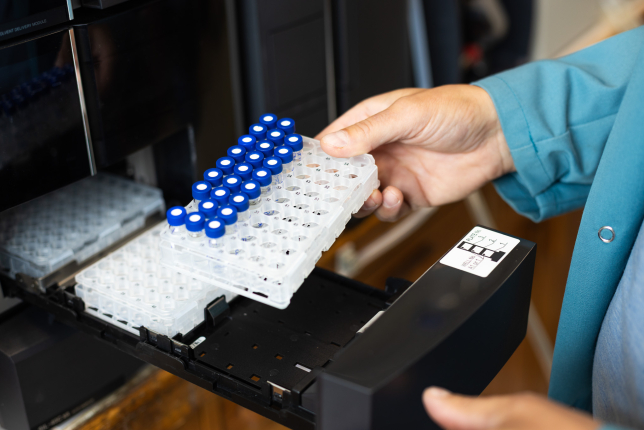
The analytical instrumentation at the Latvian State Institute of Wood Chemistry has been enhanced with a single quadrupole mass spectrometer (MS) integrated into the Institute’s existing gas chromatograph (GC), flame ionization detector (FID), and Headspace sampling system. Together, these components form a unified analytical platform that not only enables the quantification of volatile organic compounds but also their precise identification based on their chemical composition and molecular structure.
The gas chromatograph separates complex mixtures into individual components, while the mass spectrometer acts as a molecular “fingerprint reader”, allowing researchers to identify the compounds present in a sample. This capability is particularly important in research, where complex biomass-derived products often contain dozens or even hundreds of different chemical compounds.
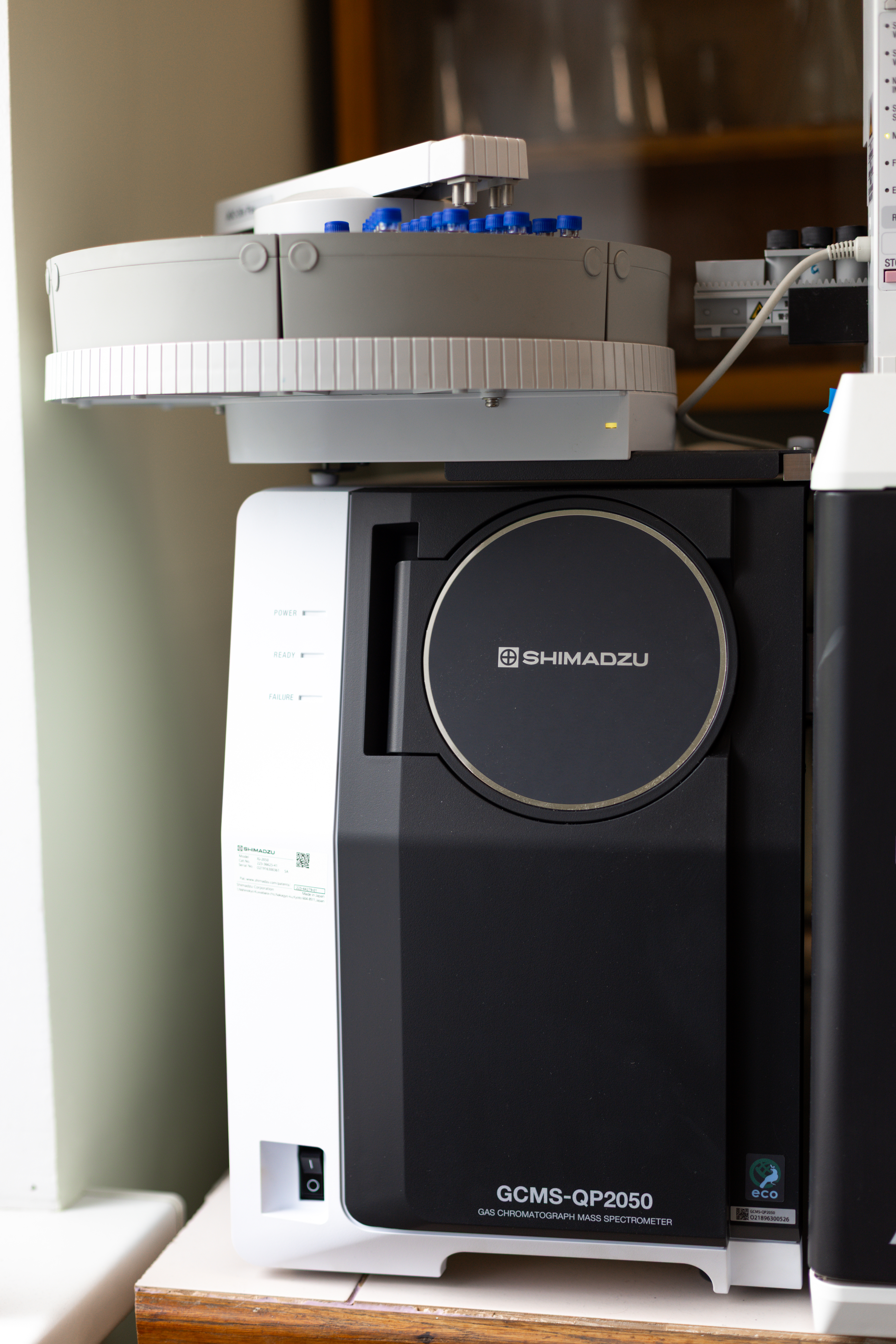
Single quadrupole mass spectrometer (MS)
A Molecular “Fingerprint Reader”
Gas chromatography separates complex mixtures into individual compounds, while mass spectrometry provides the information needed to identify them. Each compound produces a characteristic mass spectrum that can be compared with international mass spectral libraries, making it possible to identify even previously unknown compounds.
The analytical platform also includes an FID detector, which provides highly accurate quantitative analysis of organic compounds. By integrating the mass spectrometer into the existing system, researchers can now obtain both qualitative and quantitative information about the analysed samples.
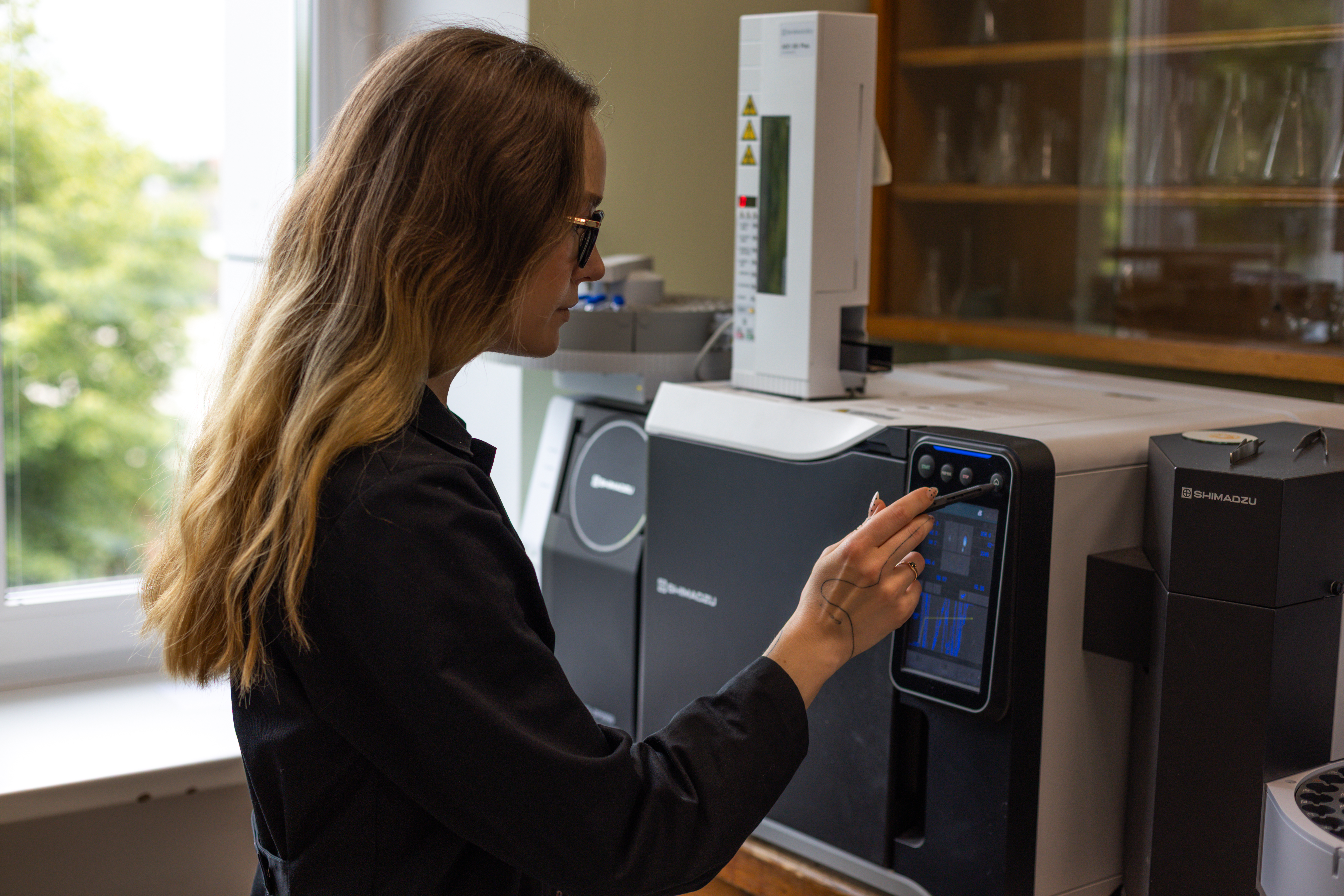
Researcher Daniela Godiņa sets the operating parameters of the gas chromatograph for the analysis and characterisation of biomass-derived compounds.
Broad Applications in Biomass and Materials Research
The analytical platform enhanced with the mass spectrometer is suitable for analysing a wide range of biomass-derived products and materials. It can be used to determine the composition of lignin, wood extractives, and other natural products, identify terpenes, phenolic compounds, and other organic constituents, as well as analyse solvents, process by-products, and material emissions.
A key advantage of the system is the Headspace sampling system, which enables the analysis of volatile compounds without introducing solid or liquid samples directly into the instrument. This approach reduces the risk of contamination while allowing efficient analysis of complex matrices such as wood products, biomass, polymers, oils, and other materials.
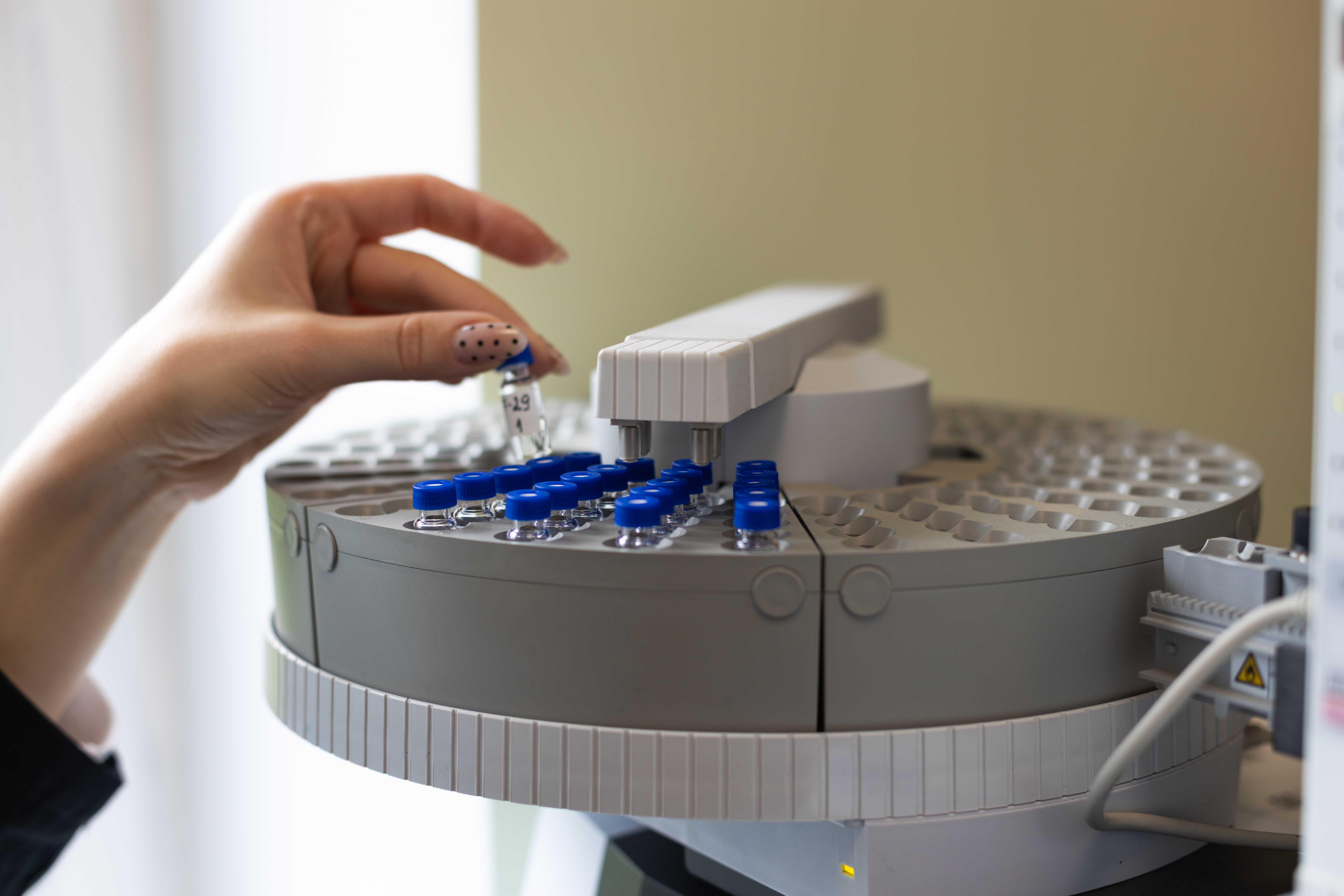
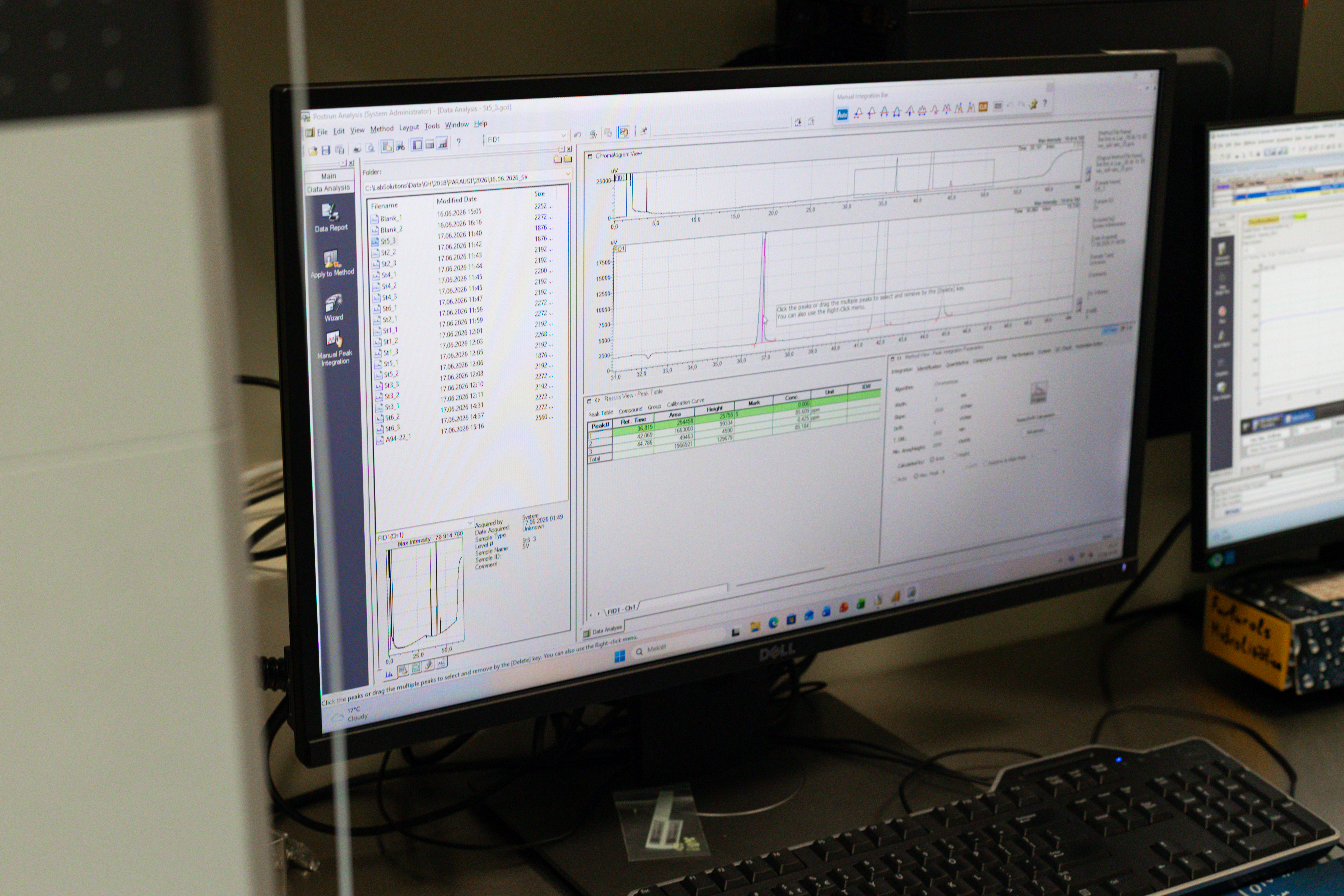
Chromatographic data analysis of biomass-derived compounds.
Broad Applications in Biomass and Materials Research
The analytical platform enhanced with the mass spectrometer is suitable for analysing a wide range of biomass-derived products and materials. It can be used to determine the composition of lignin, wood extractives, and other natural products, identify terpenes, phenolic compounds, and other organic constituents, as well as analyse solvents, process by-products, and material emissions.
A key advantage of the system is the Headspace sampling system, which enables the analysis of volatile compounds without introducing solid or liquid samples directly into the instrument. This approach reduces the risk of contamination while allowing efficient analysis of complex matrices such as wood products, biomass, polymers, oils, and other materials.
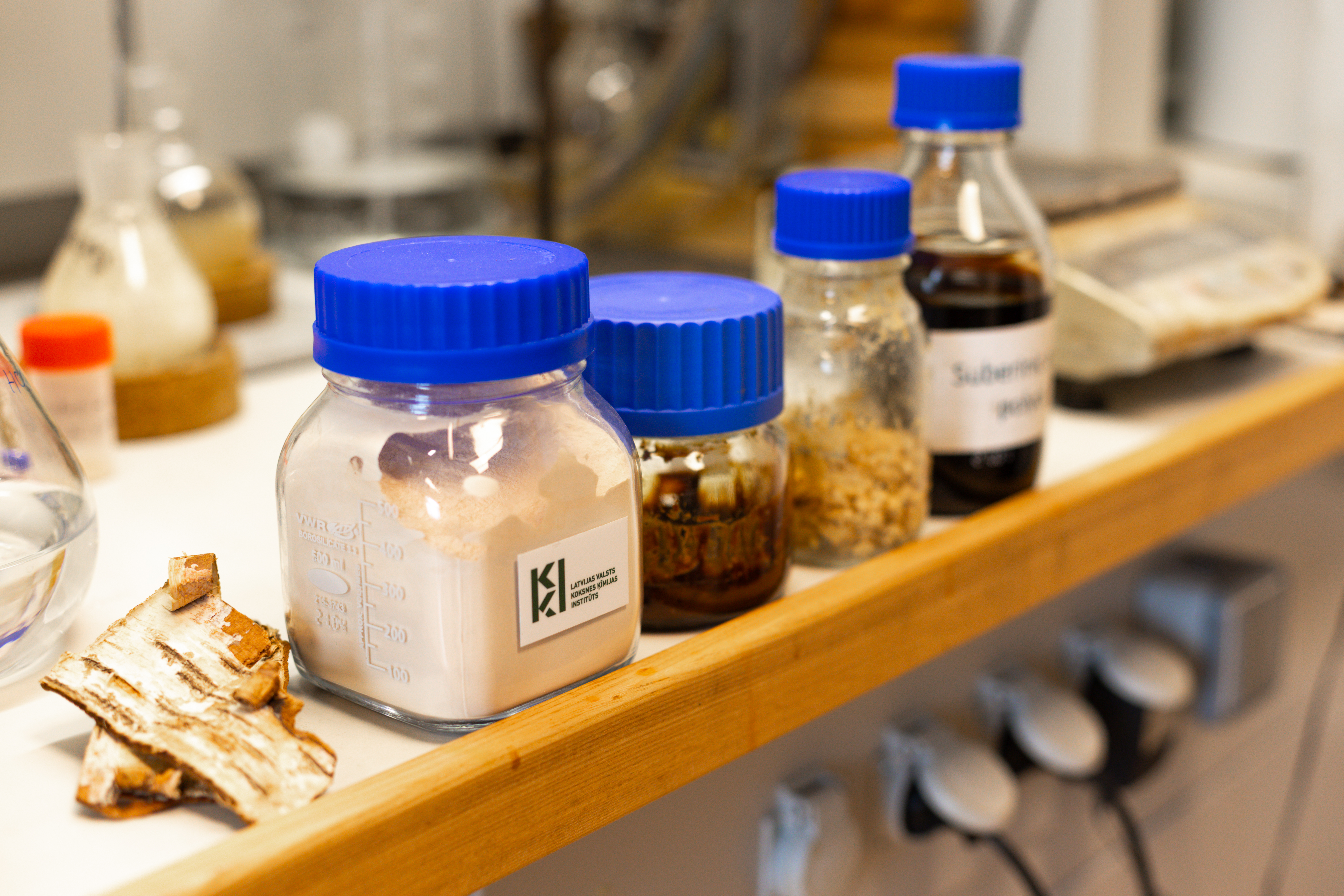
Birch bark can be used to extract compounds, with betulin being the predominant constituent. In addition, alkaline depolymerisation of the bark makes it possible to obtain suberinic acids, which can be further utilised in the development of rigid polyurethane insulation foams.
The equipment was acquired within Project No. 1.1.1.2/1/25/I/003 “Development of the Bioeconomy Excellence Centre at the Latvian State Institute of Wood Chemistry (WoodChemPlus)”, co-funded by the European Union.