What Can This Equipment Do? New HPLC System Expands Biomass Analysis Capabilities
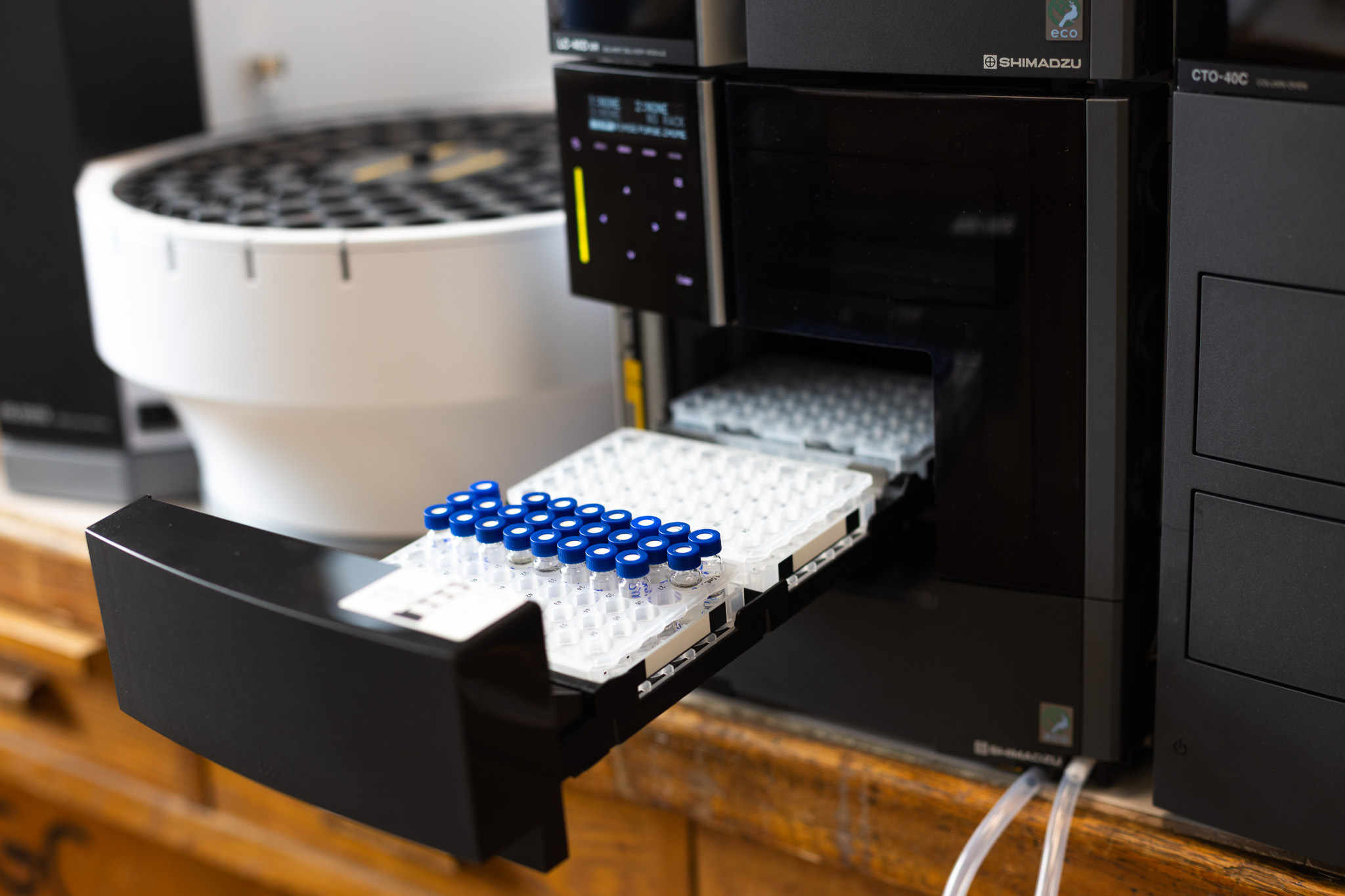
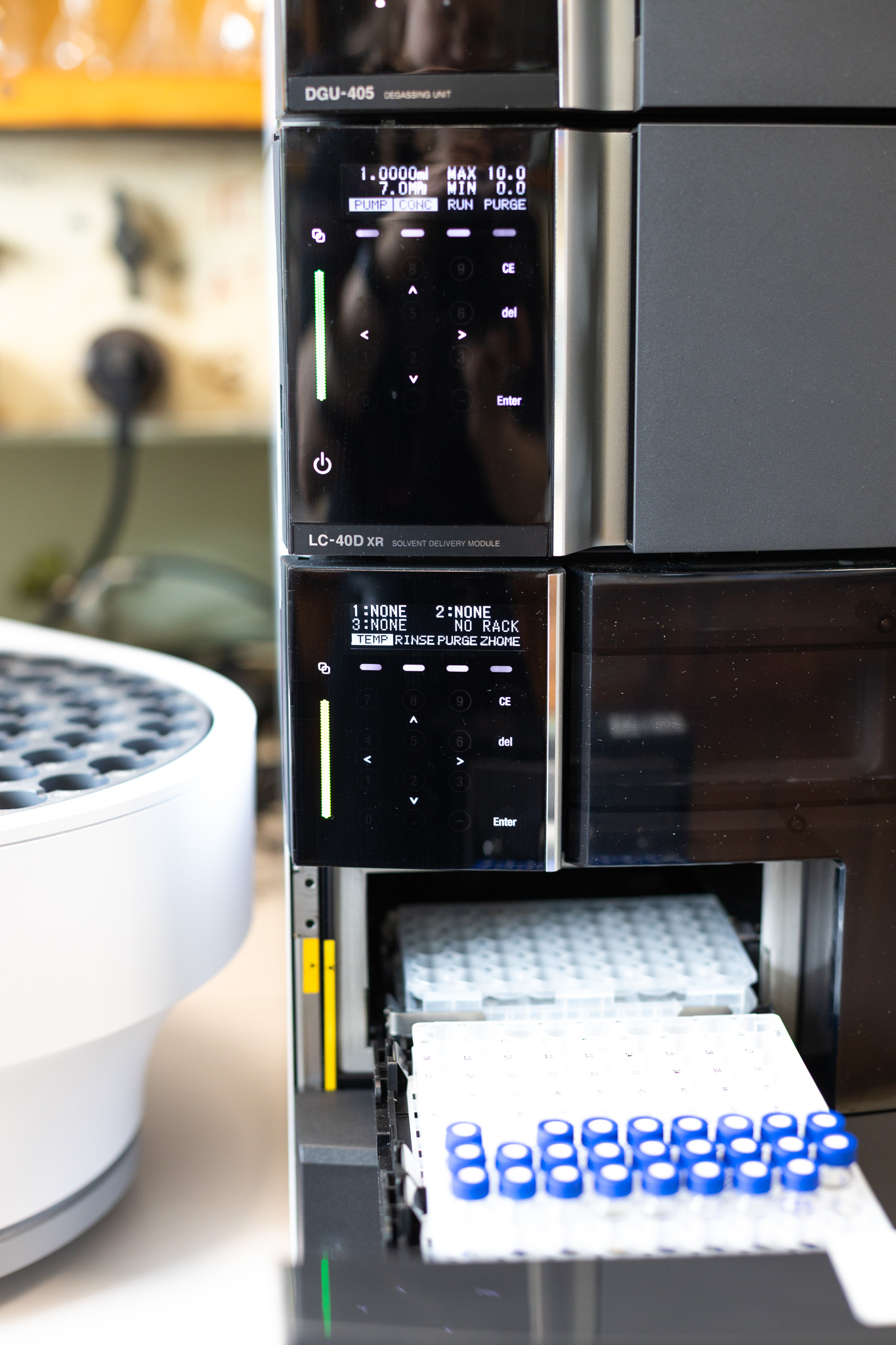
In our article series “What Can This Equipment Do?”, we introduce the latest upgrades to the laboratory infrastructure of the Latvian State Institute of Wood Chemistry and the new equipment recently acquired. This time, we focus on a High-Performance Liquid Chromatography (HPLC) system.
The new instrument will be used in biorefinery research to determine the chemical composition and concentration of compounds present in both raw biomass and products obtained during biomass processing. The resulting data are essential for process optimisation and the development of new products and methodologies.
Two Detectors – A Broader View of Sample Composition
The system is equipped with two complementary detectors: UV-Vis DAD and ELSD.
The UV-Vis DAD detector identifies compounds by measuring their ability to absorb ultraviolet and visible light at different wavelengths. This enables researchers to identify compounds, assess their purity, and distinguish between chemically similar substances.
The ELSD detector, in turn, makes it possible to detect compounds that do not absorb UV radiation. It is particularly useful for the analysis of sugars, oligosaccharides, and other biomass-derived products.
The combination of these two detectors expands the possibilities for analysing bio-oils, lignin, sugars, and fermentation products
What Can Be Determined with This Instrument?
The HPLC system can be used to identify and quantify various compounds formed during the pretreatment of wood and other biomass feedstocks, including organic acids, furan derivatives, alcohols, and sugars. Examples of analytes include furfural, 5-HMF, acetic acid, levulinic acid, formic acid, propionic acid, acetone, methanol, as well as glucose, xylose, mannose, arabinose, and rhamnose.
One example of the system’s application is the project “R&D of Brewers’ Spent Grain as a Green Chemical Source for the Bioeconomy”.
During the pretreatment of brewers’ spent grain, a variety of chemical compounds are formed, and both their composition and yields must be evaluated. After sample preparation, the resulting fractions are analysed using the HPLC system to determine which compounds are present and in what concentrations.
For example, the condensate fraction can be analysed for compounds such as acetic acid, levulinic acid, formic acid, propionic acid, acetone, methanol, furfural, 5-HMF, and 5-MF, which can serve as feedstocks or components for the development of new products.
The solid residue, which will subsequently be used as a feedstock for the production of lactic acid and fertilisers, is also chemically processed and analysed using HPLC. In this case, specialised columns and methods are used to determine the yields of various sugars, including glucose, galactose, xylose, rhamnose, and arabinose.
The analytical results help researchers evaluate the efficiency of the selected pretreatment process and its impact on the yields of target compounds such as furfural, glucose, and lactic acid. By comparing the effects of different process parameters – including temperature, pressure, catalyst loading and concentration, and steam flow rate in the reaction zone – it is possible to identify the most suitable conditions for obtaining valuable compounds and further utilising them in bioeconomy products.
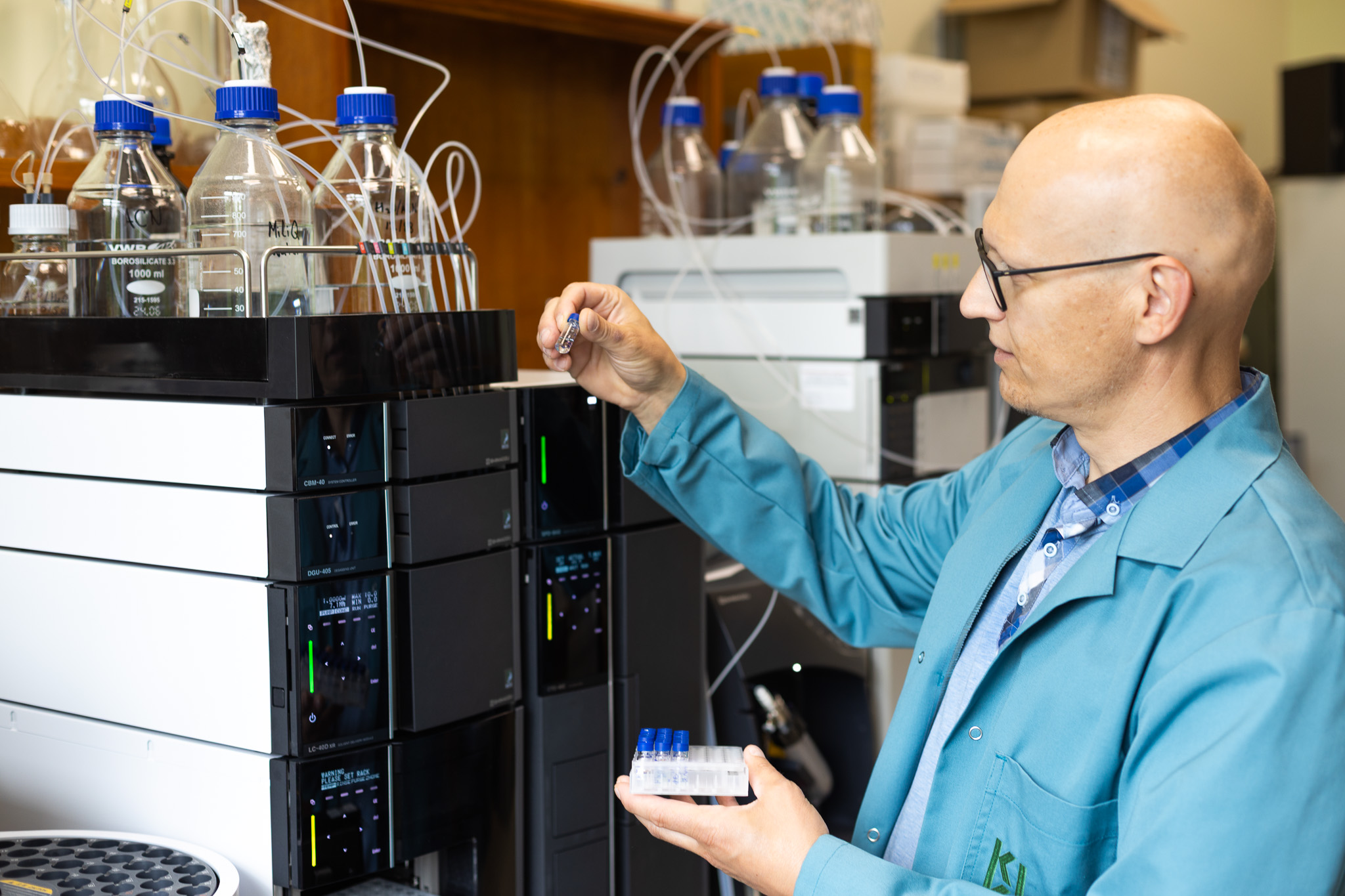
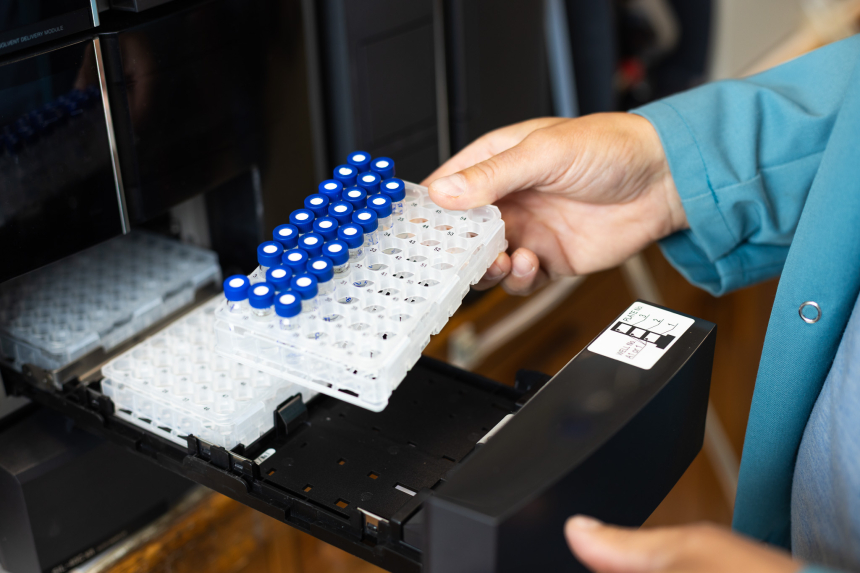
Leading Researcher Māris Puķe from the Biorefinery Laboratory with a sample prepared for HPLC analysis.
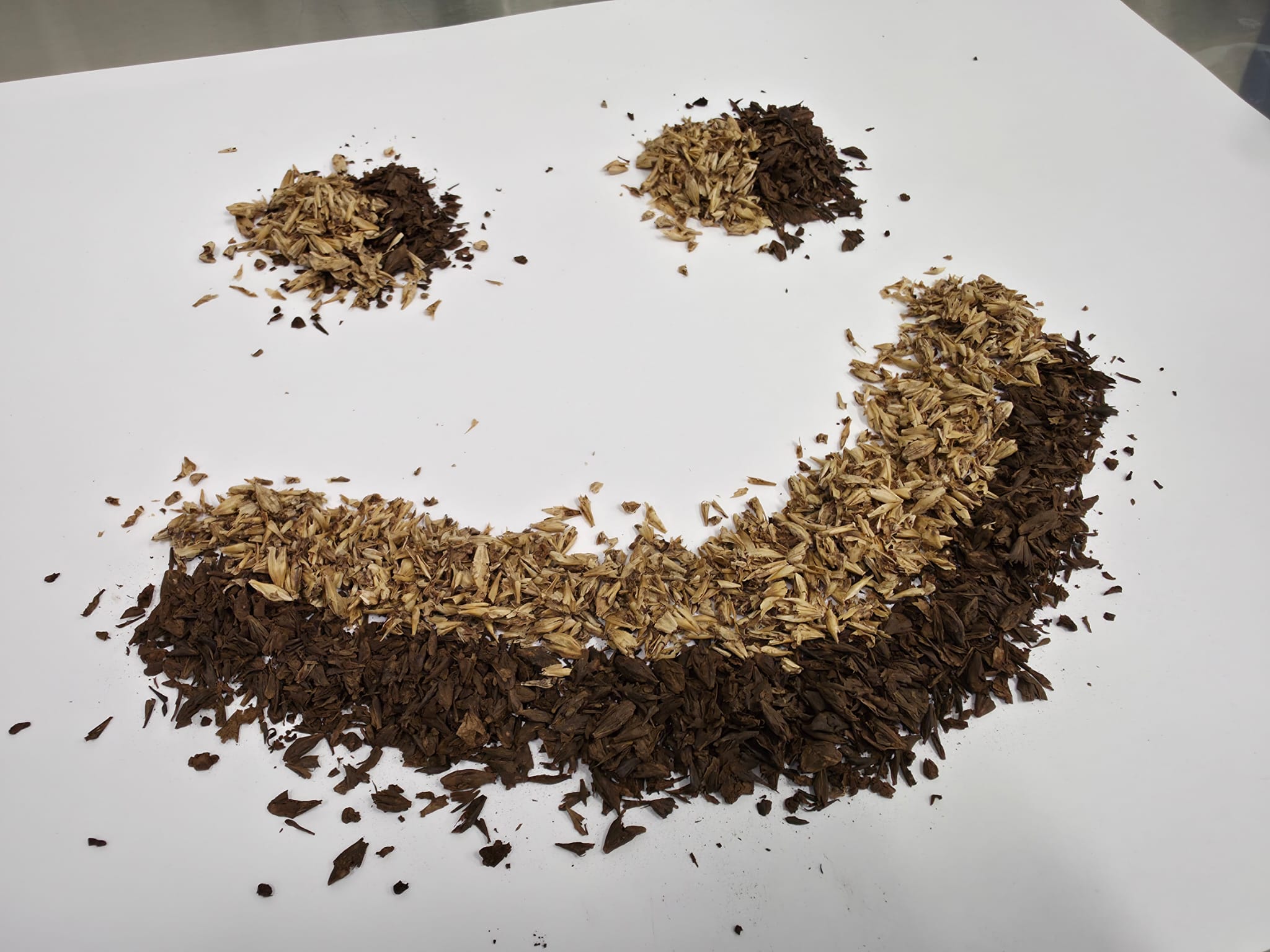
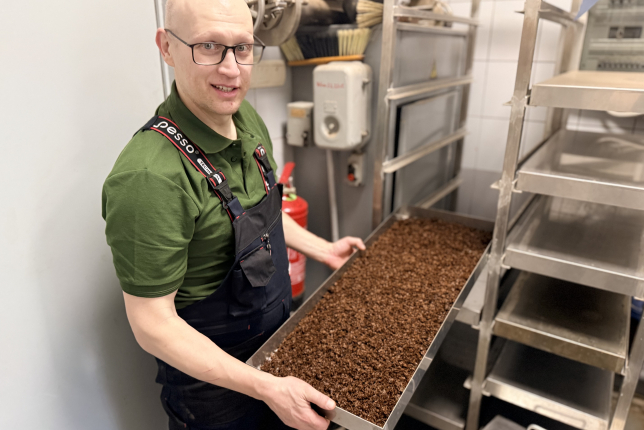
Pretreatment of brewers' spent grain before HPLC sample preparation.
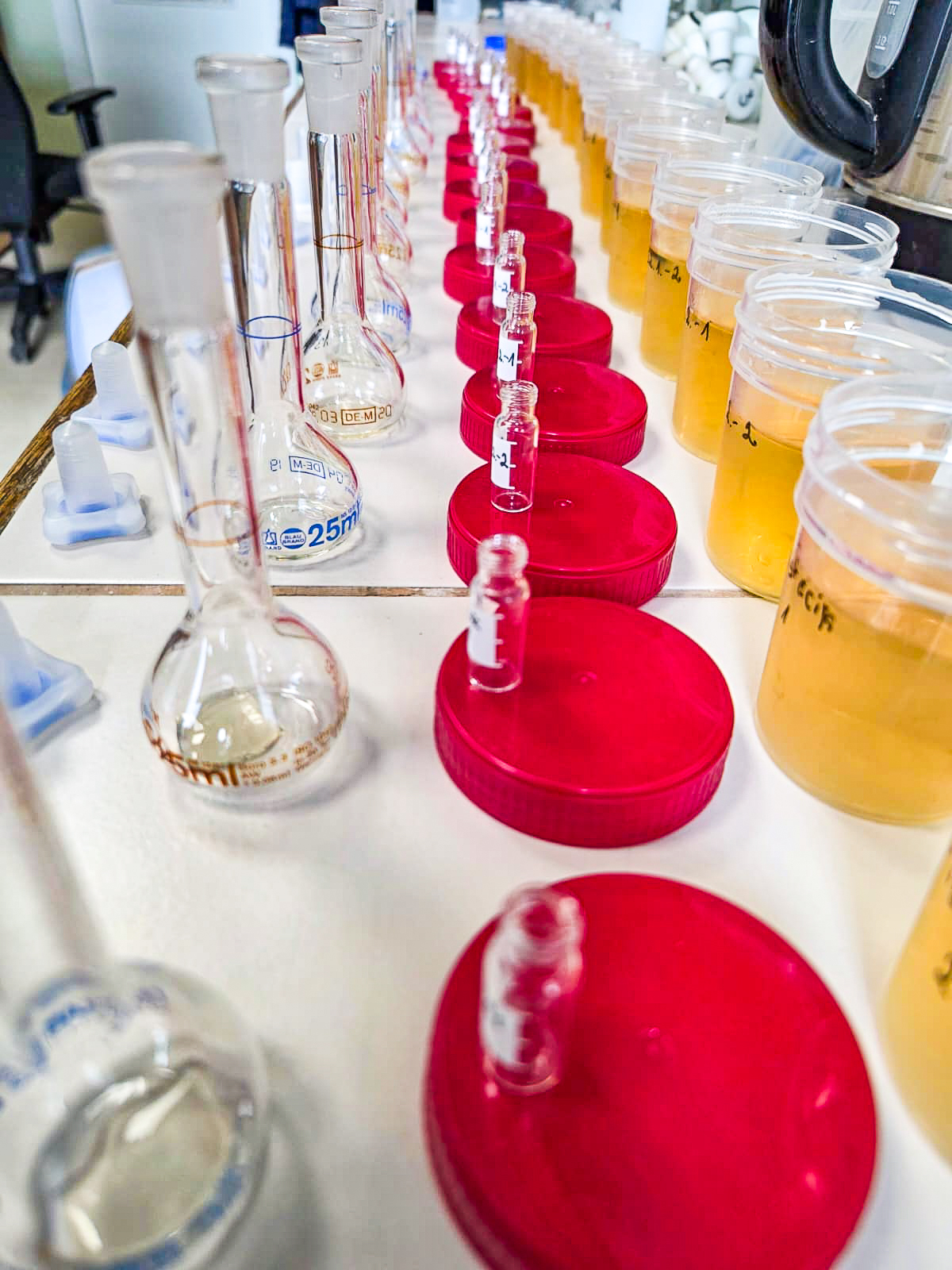
Sample preparation for HPLC analysis.
Where Will the New HPLC System Be Used?
The new HPLC system will be used in several research projects at the Latvian State Institute of Wood Chemistry that focus on biomass processing and the development of higher-value products:
- R&D of Brewers’ Spent Grain as a Green Chemical Source for the Bioeconomy (No. 1.1.1.3/1/24/A/057)
- Investigation of functionalised lignin-based biochar impact on the furfural production from the xylo-oligosaccharides derived from steam-exploded oat hulls (No. 1.1.1.9/LZP/1/24/036)
- Other international projects and contract research activities
The equipment was acquired within Project No. 1.1.1.2/1/25/I/003 “Development of the Bioeconomy Excellence Centre at the Latvian State Institute of Wood Chemistry (WoodChemPlus)”, co-funded by the European Union.