What Can This Equipment Do? A Class II Biological Safety Cabinet Provides a Sterile Environment for Microbiological Research

In our article series "What Can This Equipment Do?", we introduce the newly acquired equipment and laboratory upgrades at the Latvian State Institute of Wood Chemistry. This time, we highlight the nSAFE Premium Class II Biological Safety Cabinet, which provides a sterile and safe working environment for microbiological research.
The cabinet simultaneously protects the researcher, the samples being handled, and the surrounding environment. It complies with the EN 12469 standard and is equipped with a stainless steel work chamber and a high-efficiency filtration system. Its controlled laminar airflow helps minimise the risk of contamination during microbiological experiments.
Sterile Conditions at the Early Stages of Research
One example of the cabinet's application is within the Subt4Potato project, where it is used for microbiological procedures such as inoculum preparation and plating samples onto culture media. The biological safety cabinet provides a sterile environment for the preparation, cultivation and handling of bacterial cultures, reducing the risk of contamination by microorganisms present in the surrounding environment.
This is particularly important during the early stages of the research, when obtaining pure and stable bacterial cultures is essential for subsequent experiments.
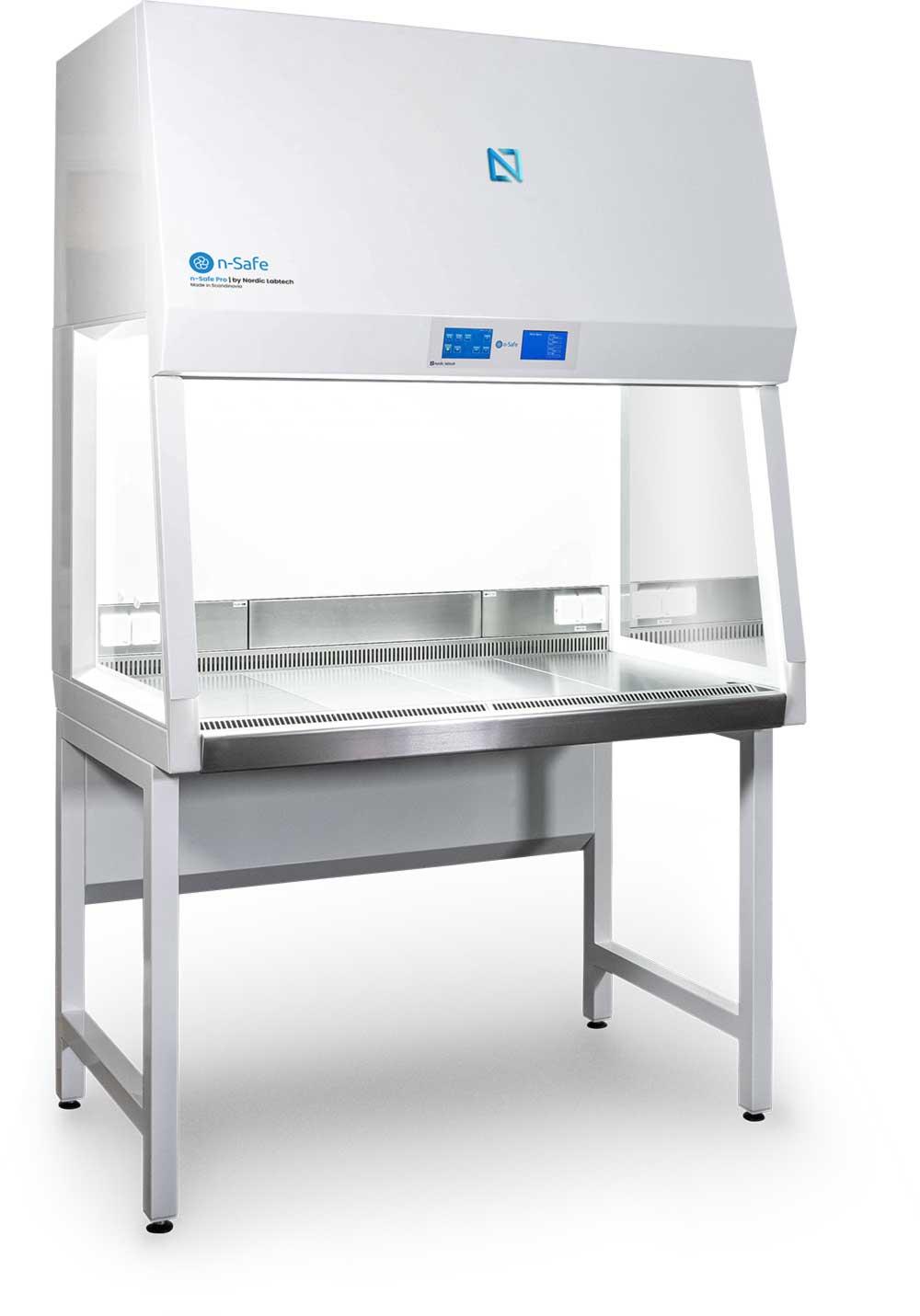
nSAFE Premium Class II Biological Safety Cabinet. Foto: Animalab Latvia
Broad Applications Throughout the Research Cycle
The biological safety cabinet can also be used for the preparation of microbiological formulations and for processing samples prior to laboratory analyses. For example, researchers can compare different cultivation conditions for Bacillus subtilis, assess bacterial viability, and prepare samples for efficacy testing of microbiological formulations.
At later stages of the project, the cabinet can also be used to process plant, soil and microbial samples collected from laboratory or field trials. This enables researchers to safely perform microbiological analyses, assess the formulation's impact on the soil microbiome, and evaluate its potential to promote plant growth or reduce the effects of plant pathogens.
Controlled working conditions help ensure the accuracy and reproducibility of research data, which are essential for objectively evaluating the potential of microbiological formulations for potato cultivation and improving plant health.
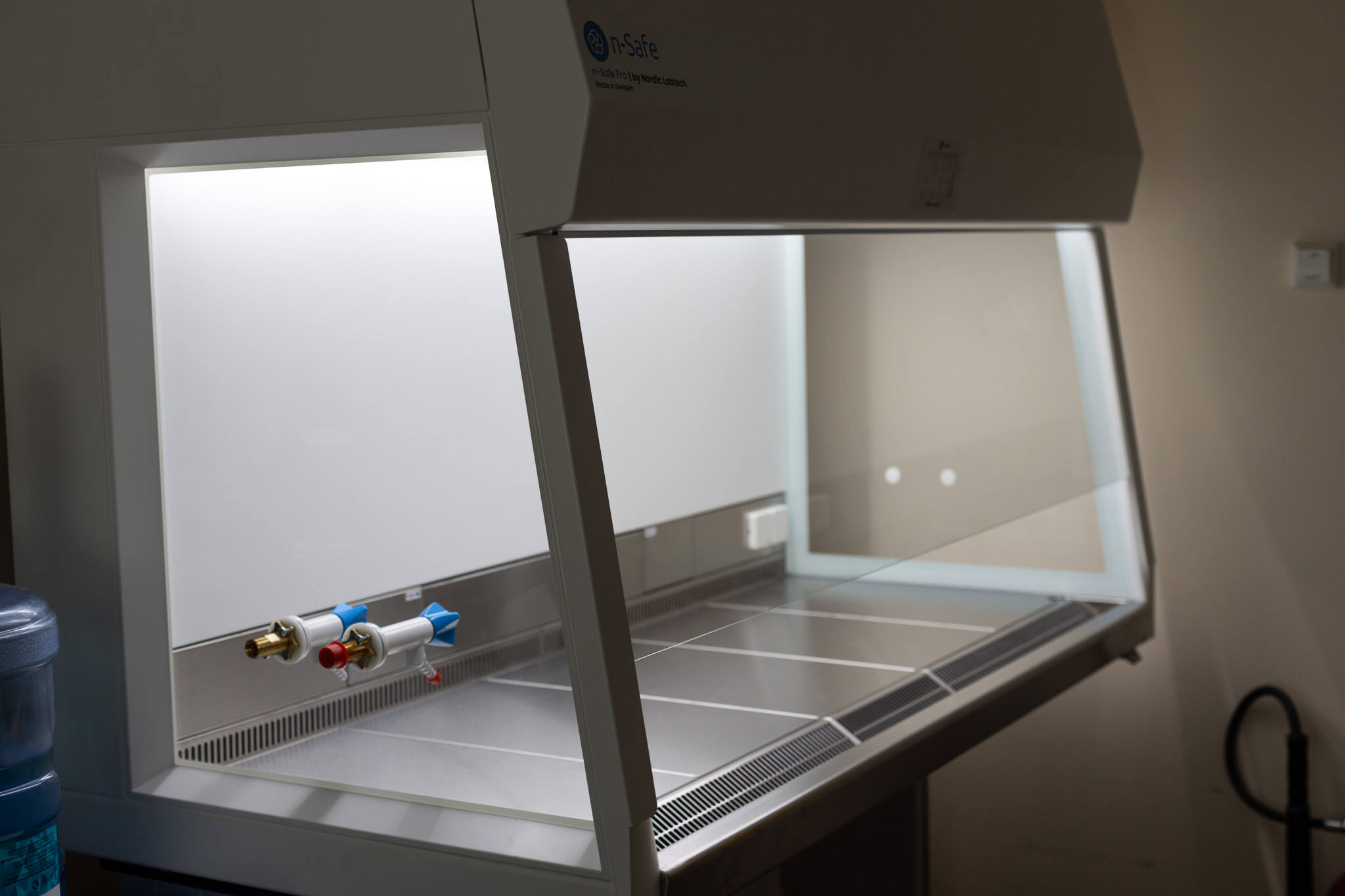
The equipment was acquired within the framework of Project No. 1.1.1.2/1/25/I/003 "Development of the Bioeconomy Centre of Excellence at the Latvian State Institute of Wood Chemistry (WoodChemPlus)". The project is co-funded by the European Union.