Professor Carol Sze Ki Lin’s Lecture at LSIWC: Turning Waste into Feedstock for Sustainable Aviation Fuels, Bioplastics, Feed for Microalgae and more
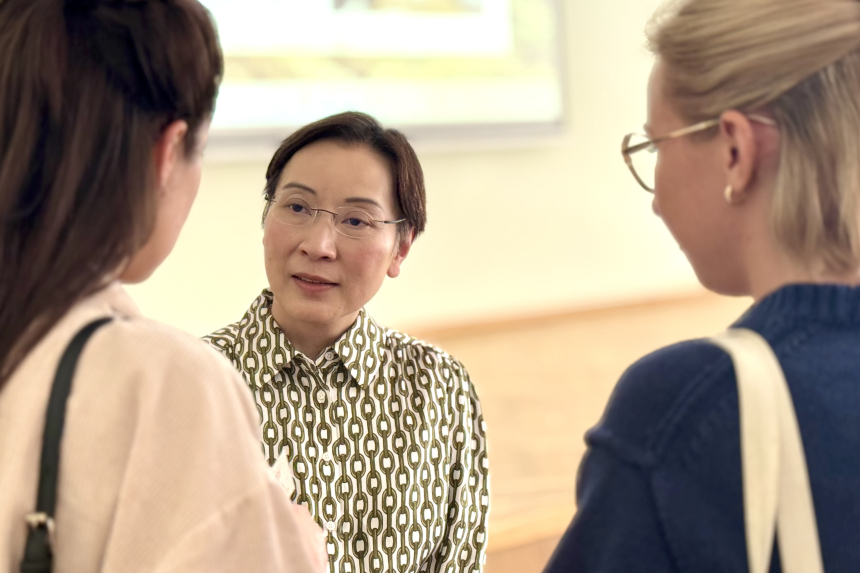
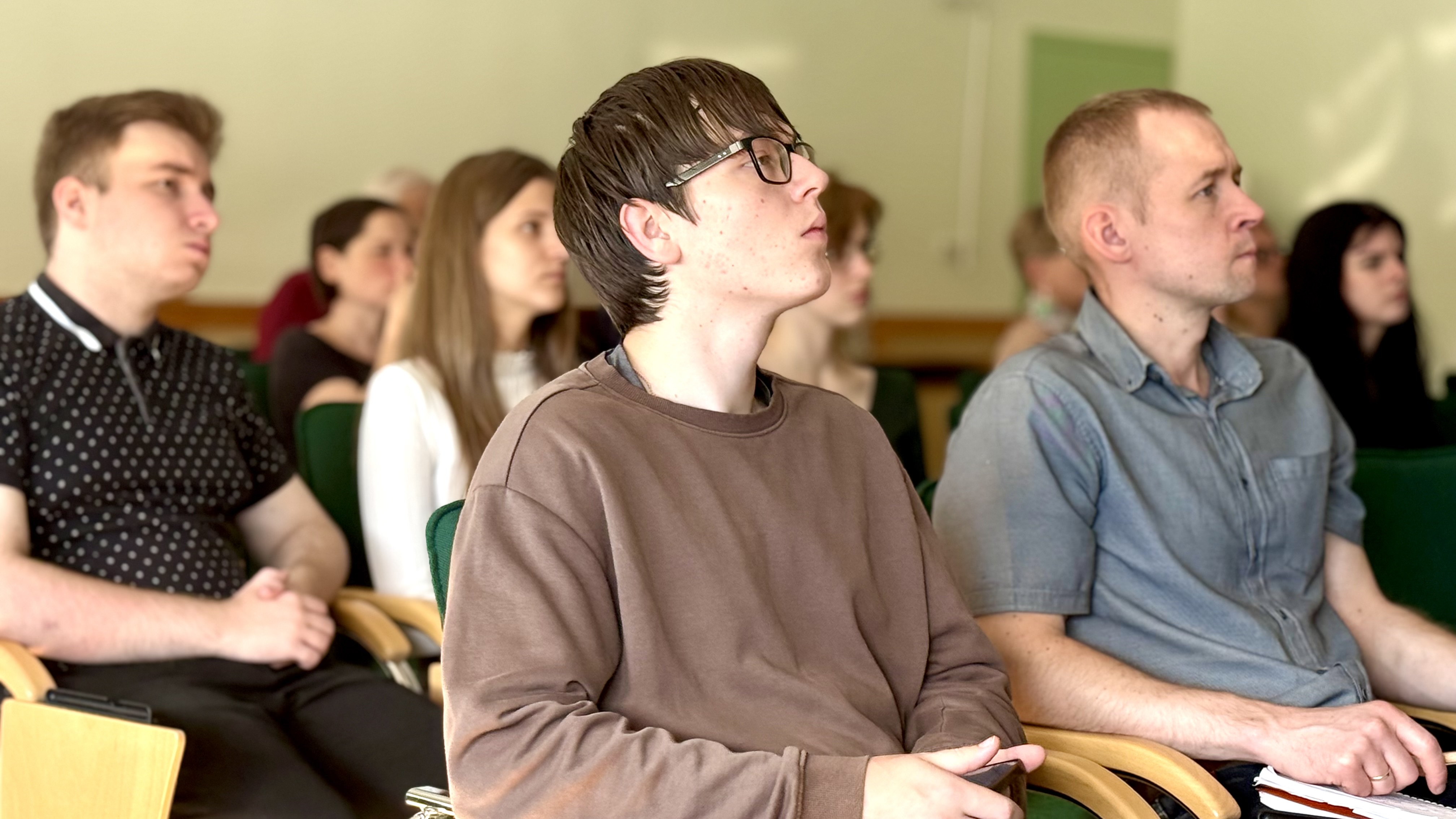
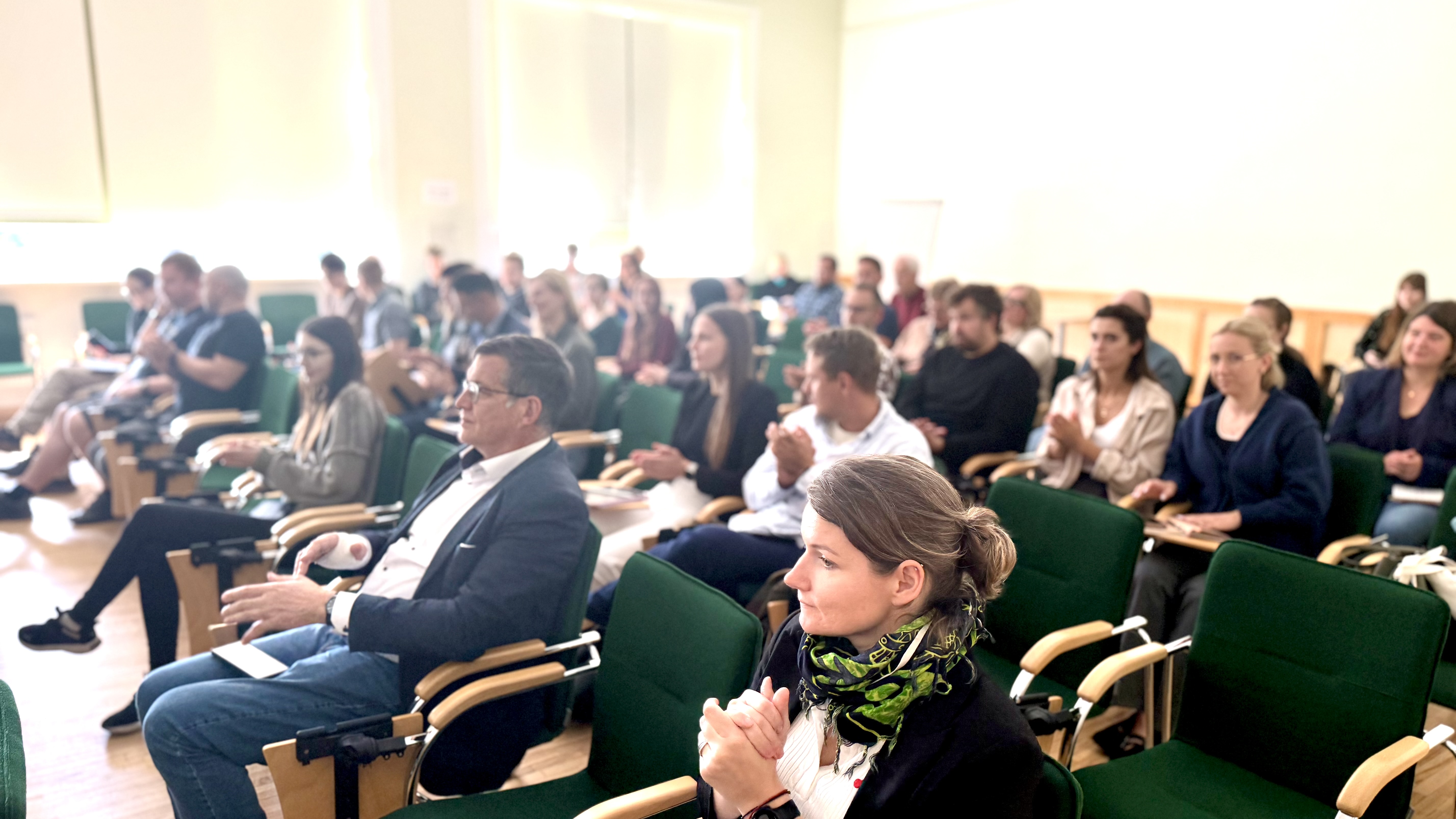
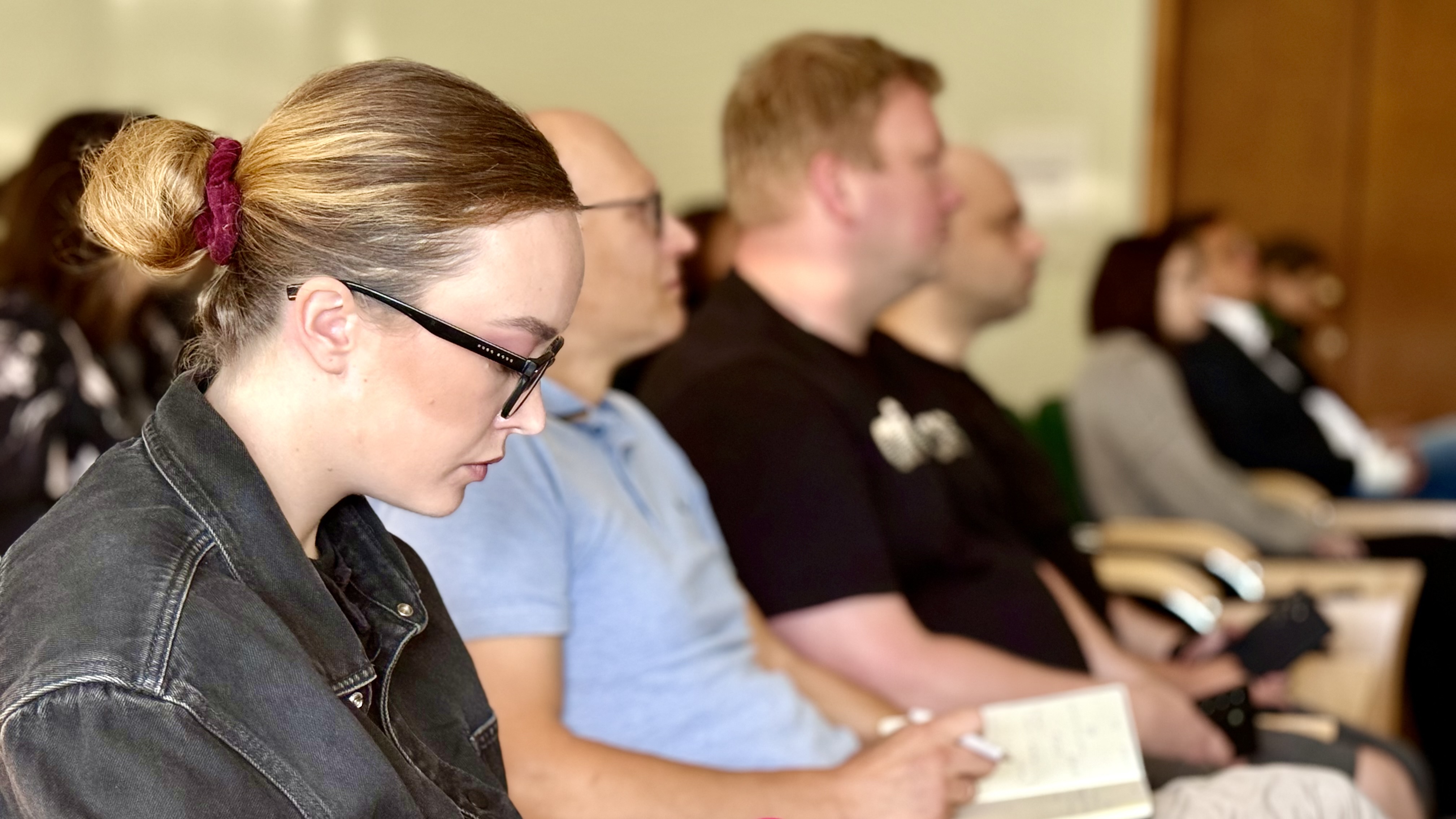
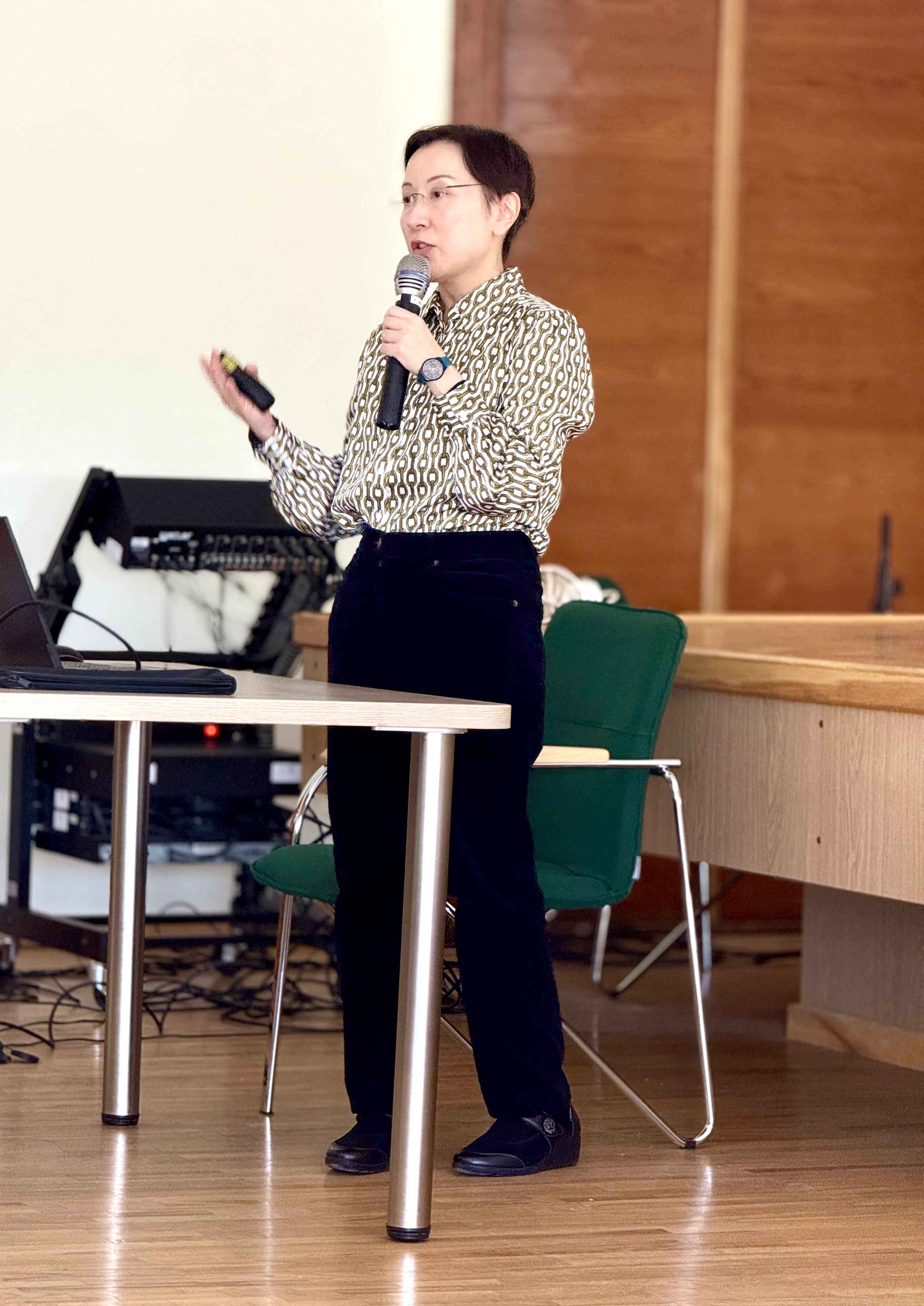
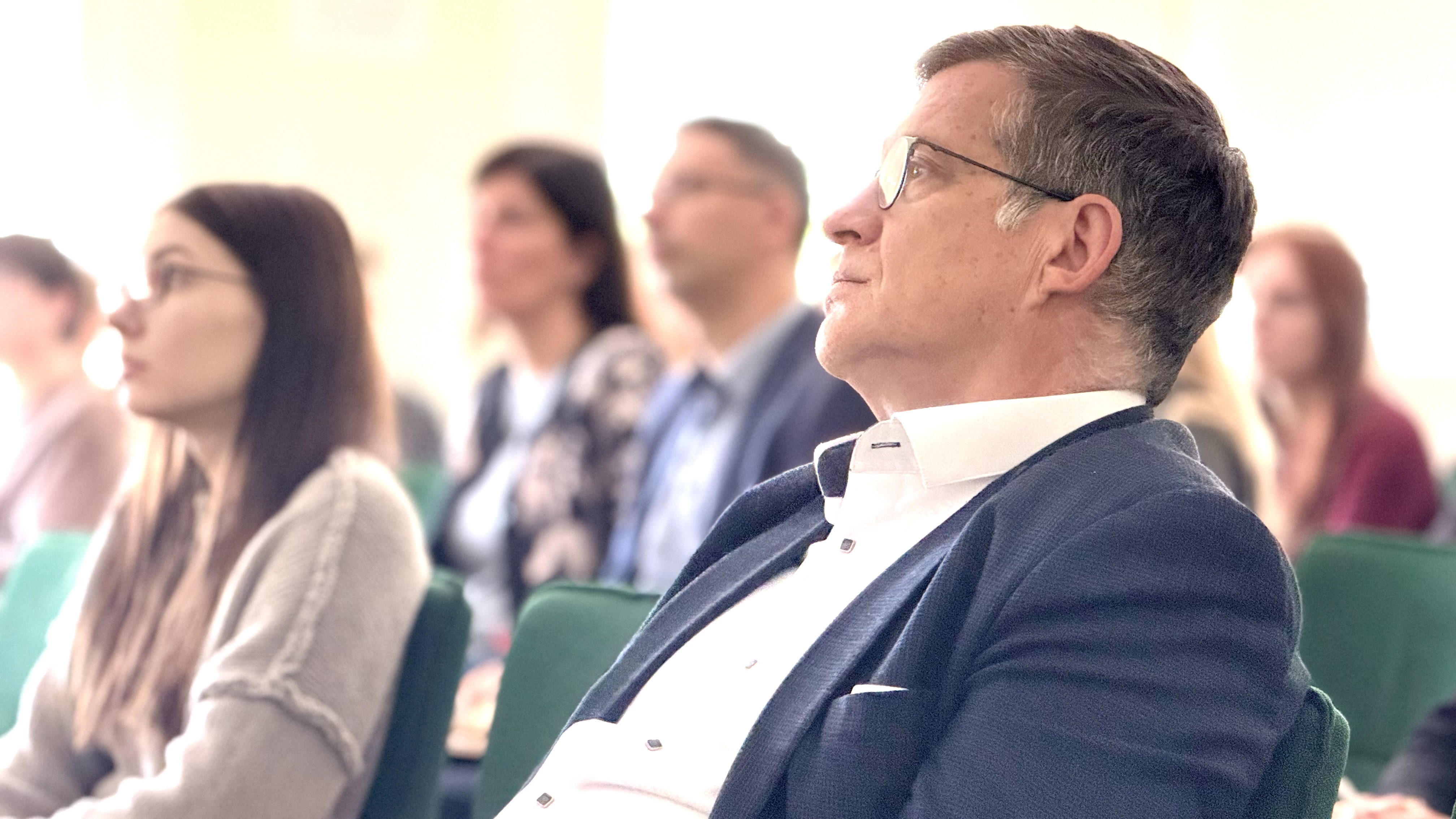
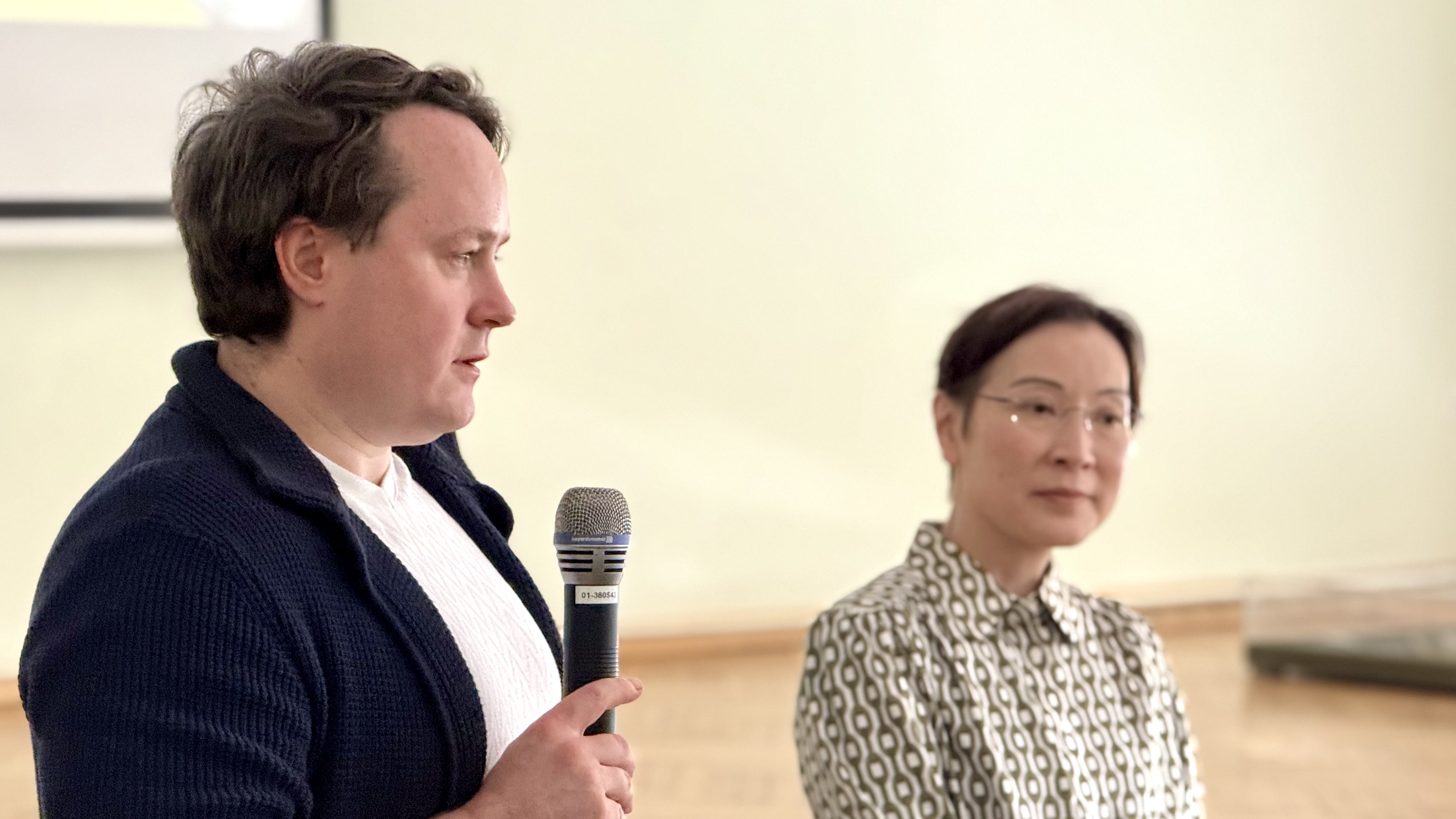
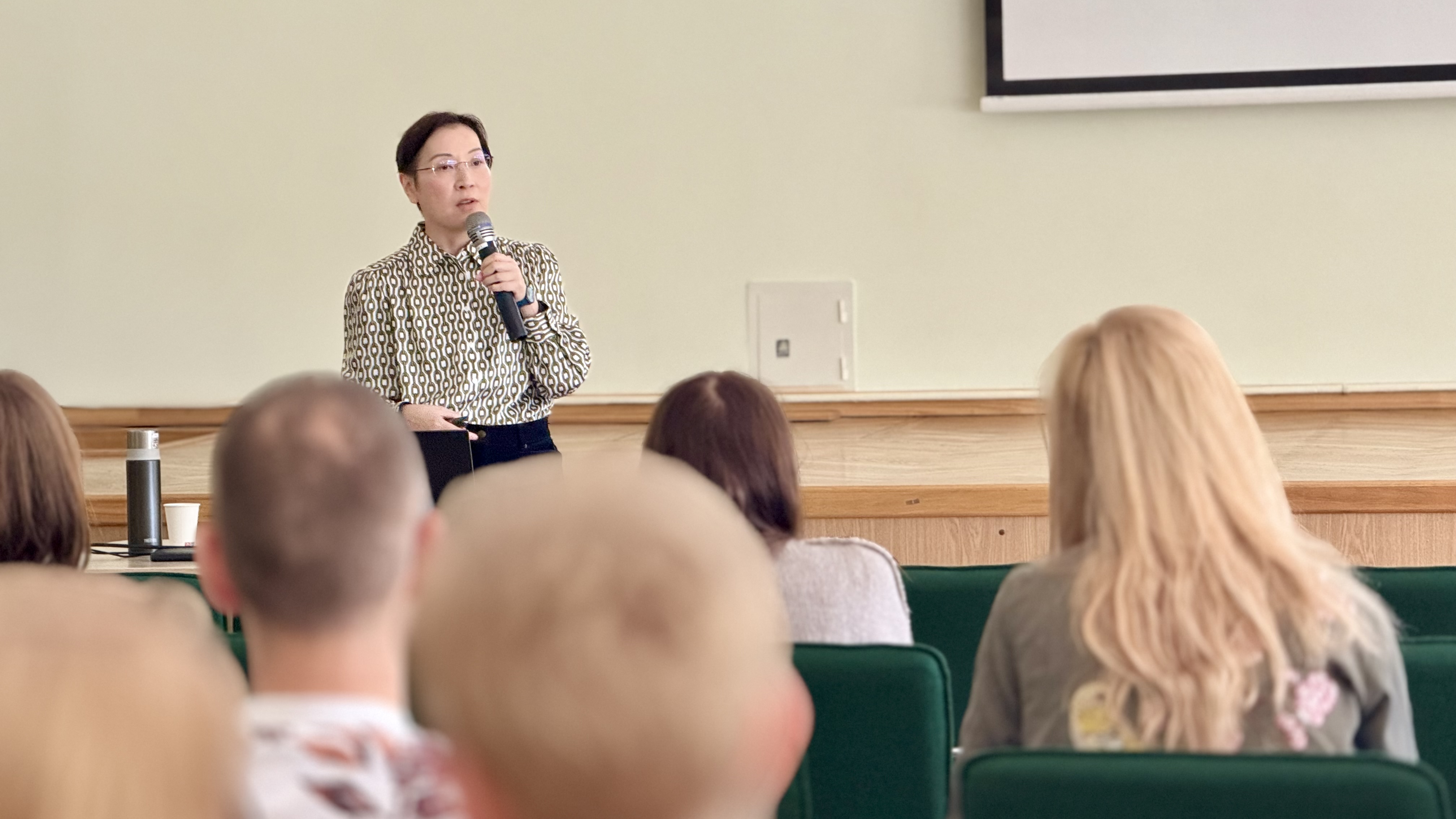
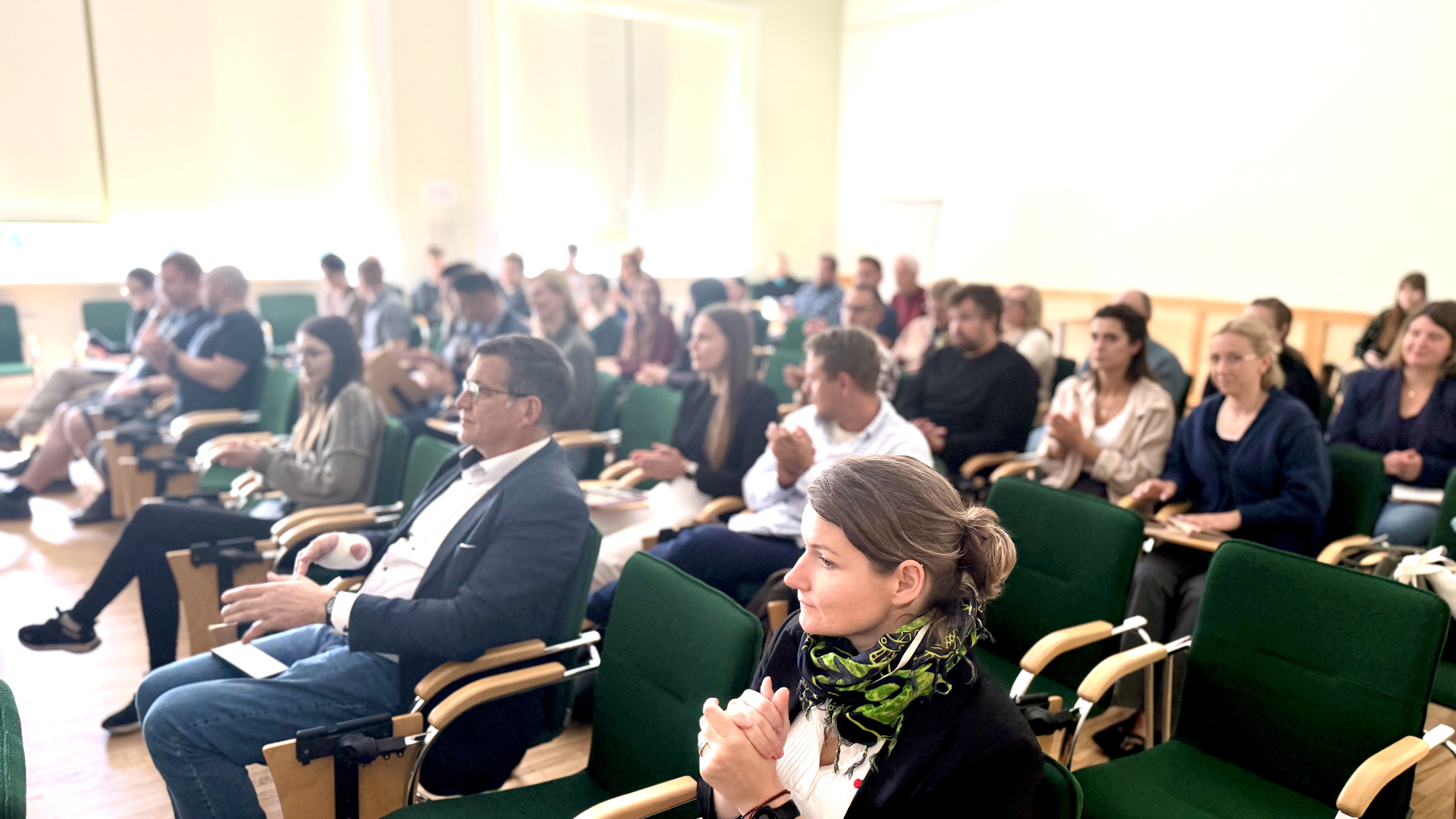
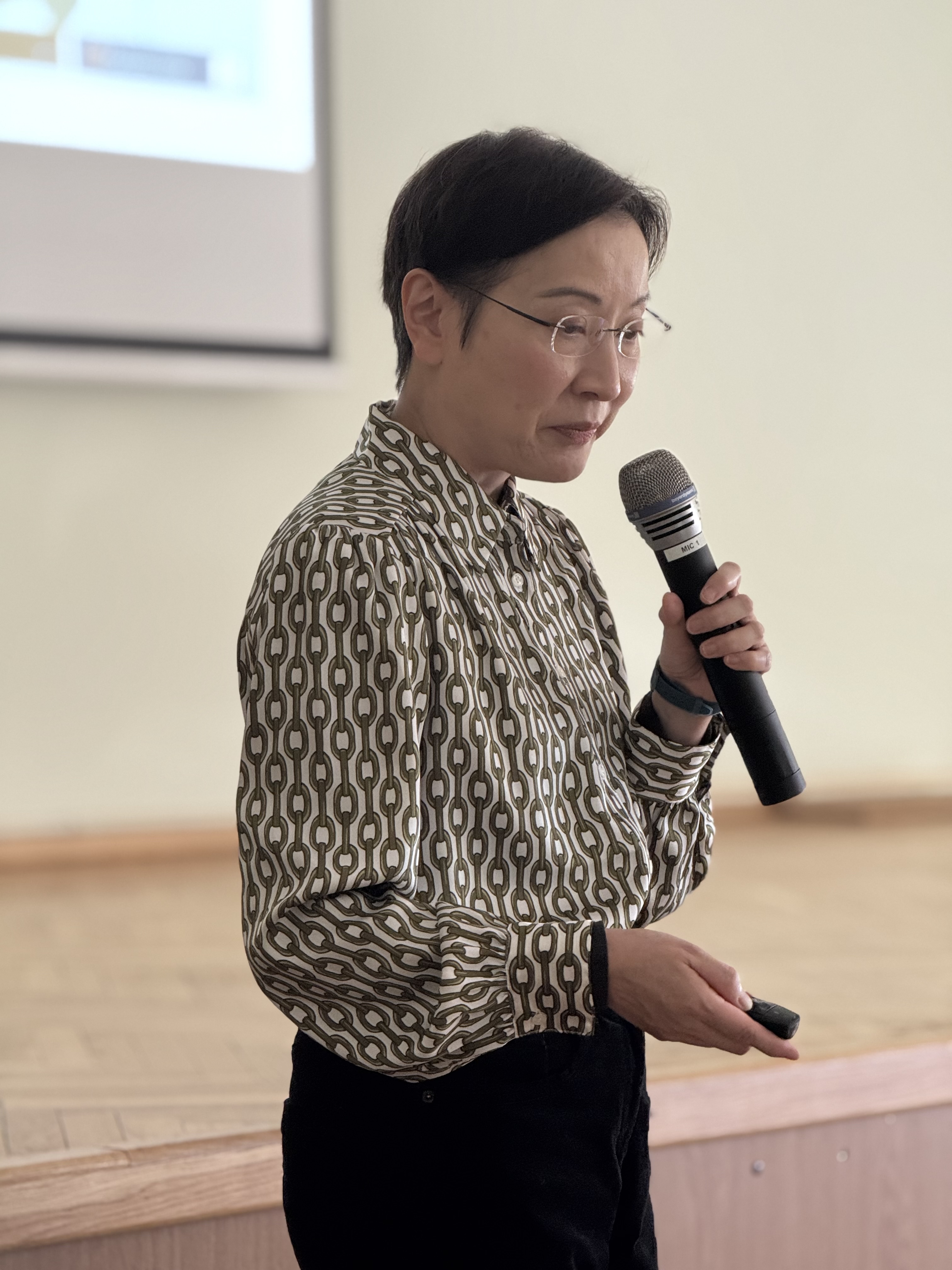
On 27 August, the Latvian State Institute of Wood Chemistry (LSIWC) welcomed Professor Carol Sze Ki Lin (City University of Hong Kong, CityUHK), a world-renowned researcher with more than 20 years of experience in biorefinery and biomass valorisation. Her lecture, “Development of Waste Biorefineries Towards a Circular Bioeconomy”, highlighted how different types of waste – food waste (domestic and industrial), agriculture, marine, and lignocellulosic – can be converted into high value-added products and technologies that mitigate climate change while delivering tangible benefits for industry.
Professor Lin emphasized the importance of the FIRST initiative (Fostering Innovation for Resilience and Sustainable Transformation, 2024–2033), which aims to bring together science, industry, and international partners to create scalable and accessible technologies, especially for underprivileged regions that strengthen resilience and advance the circular bioeconomy.
Biosurfactants from Food Waste
Professor Lin’s team presented approaches to producing biosurfactants, including sophorolipids, from food and bakery waste oils. To improve processes, they reduced inhibitory impurities, applied adaptive laboratory evolution and atmospheric and room-temperature plasma mutagenesis, and developed a single-reactor process where saccharification and fermentation occur simultaneously. The reactor’s flow dynamics were further optimized using computational fluid dynamics modelling. These methods enable simpler, more efficient, and environmentally friendly bioprocesses capable of handling even complex feedstocks.
Polyurethane Foams from Food Waste Lipids
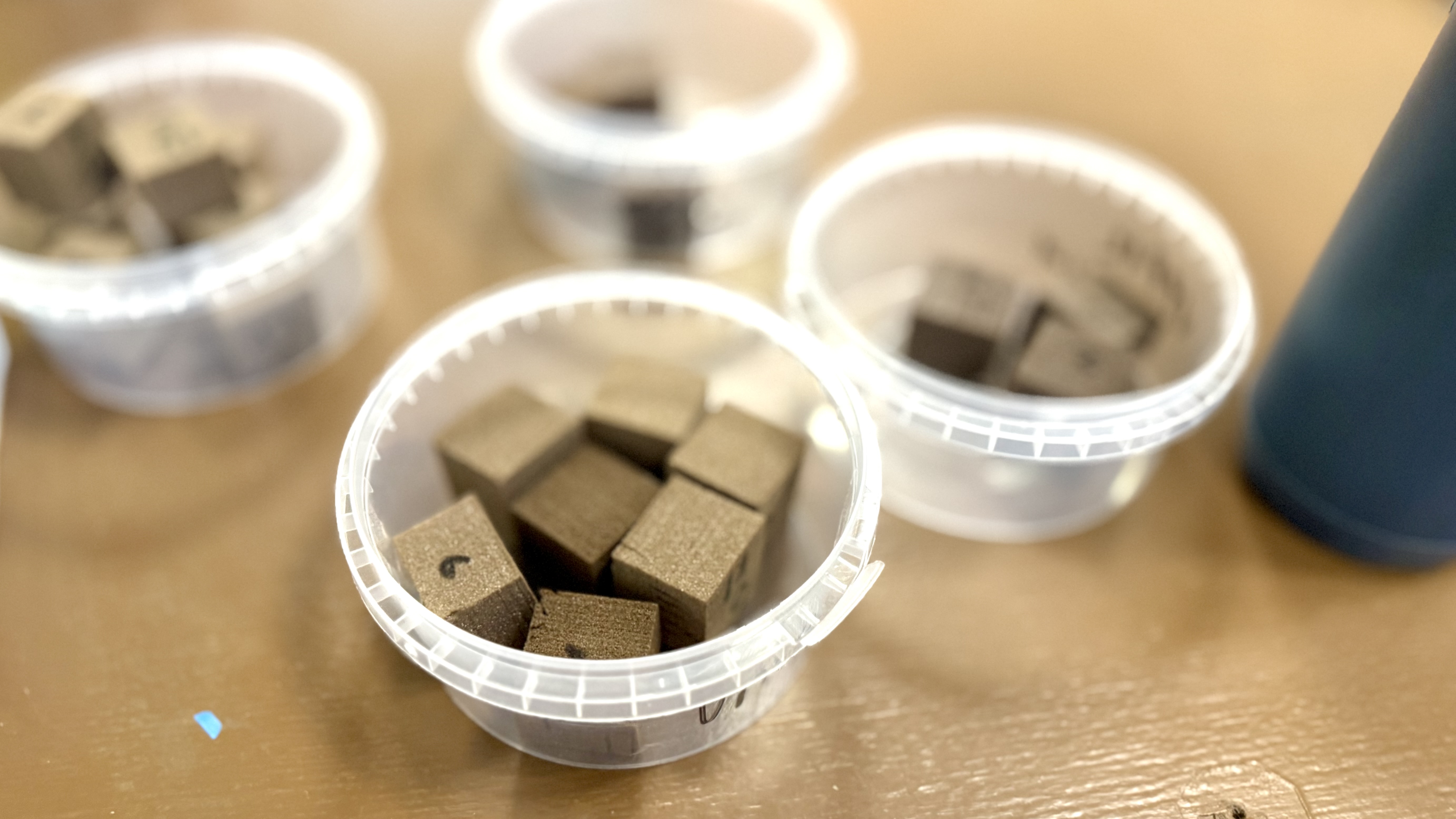
An important example of collaboration with LSIWC is the project conducted together with PhD Miķelis Kirpļuks and PhD Anda Fridrihsone, where bio-based polyols were developed from food waste lipids and used to produce rigid polyurethane foams with excellent thermal insulation properties.
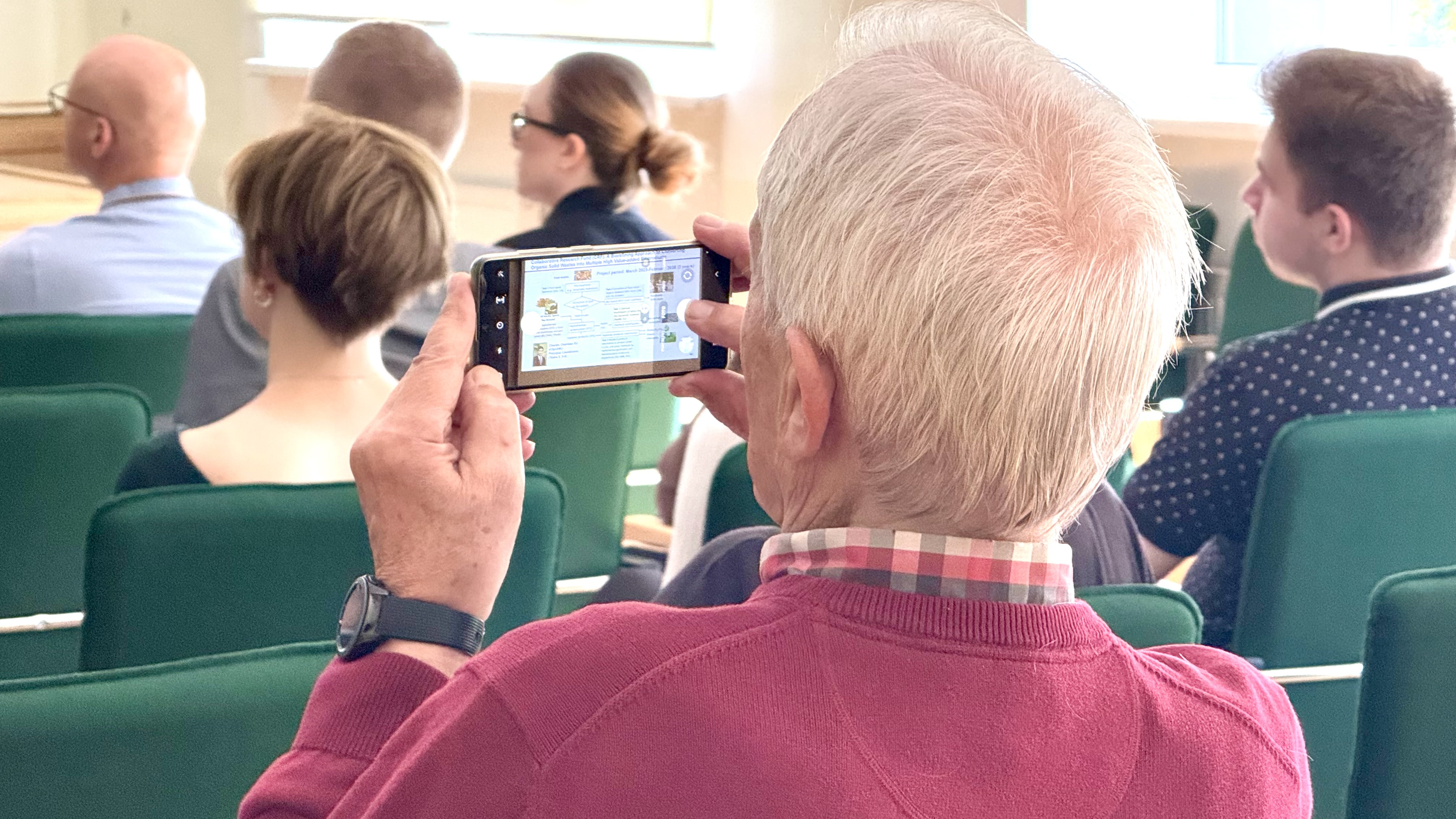
A techno-economic analysis confirmed the feasibility of this approach (estimated minimum selling price ~USD 2.04/kg), while life cycle assessment showed lower climate impact compared to fossil alternatives. At the same time, the research team is moving towards the next stage – non-isocyanate polyurethanes (NIPU), using biogenic waste as a source of renewable carbon and CO₂ fixation to develop isocyanate free polyurethane. This work is currently conducted under the Collaborative Research Fund (CRF) titled: A Biorefining Approach to Converting Organic Solid Wastes into Multiple High Value-added Bioproducts (2025-2028).
The presentation also featured a photo of PhD Mikelis Kirpluks and PhD. Anda Fridrihsone, symbolizing the collaboration between LSIWC and CityUHK in transforming food waste into high-value materials.
Sustainable Aviation Fuels (SAF): WASTES-to-WINGS
Another key highlight of the lecture was the development of sustainable aviation fuels (SAF). Together with a group of research collaborators from the Hong Kong Polytechnic University, a SAF research platform is being built, designed to use local waste and fully process lignocellulose. The process involves several steps: first, biomass is fractionated into lignin and sugar fractions; then lignin is converted into cycloalkanes through hydrogenolysis (hydrogen-driven bond cleavage under catalytic conditions); meanwhile, C5 and C6 sugars are fermented into 2,3-butanediol, which is subsequently upgraded into iso-alkanes. Finally, rapid testing is carried out to evaluate the new SAF samples.
As Professor Lin pointed out, the main challenge is that SAF currently represents less than 1% of the aviation fuel market, with limited local supply chains. The solution lies in the full utilization of waste streams and faster validation of new technologies.
Microalgae: Resource Utilization and Wastewater Treatment
Professor Lin also presented experiments with the microalga Chlorella, cultivated on food waste hydrolysate. Longer light exposure promoted carbohydrate and protein accumulation, while extended darkness led to lipid formation. At the same time, microalgae were used in wastewater treatment, including the degradation of the antibiotic trimethoprim. By combining different light regimes with additional carbon sources (such as ethanol), the researchers achieved both more effective pollutant removal and higher biomass growth.
From Problems to Solutions – Including in Latvia
In concluding her lecture, Professor Lin stressed that food waste volumes are increasing worldwide and referred to Latvian data that confirm the relevance of this issue in our country. In her view, the path forward requires strong science–industry collaboration, adequate infrastructure and logistics, and supportive regulation to enable the effective implementation of circular bioeconomy models in practice.
The collaboration between City University of Hong Kong and LSIWC already demonstrates that such partnerships can deliver practical results – from transforming food waste into rigid polyurethane foams to be used as insulation material to exploring the use of wood biomass for sustainable aviation fuel production in the future.
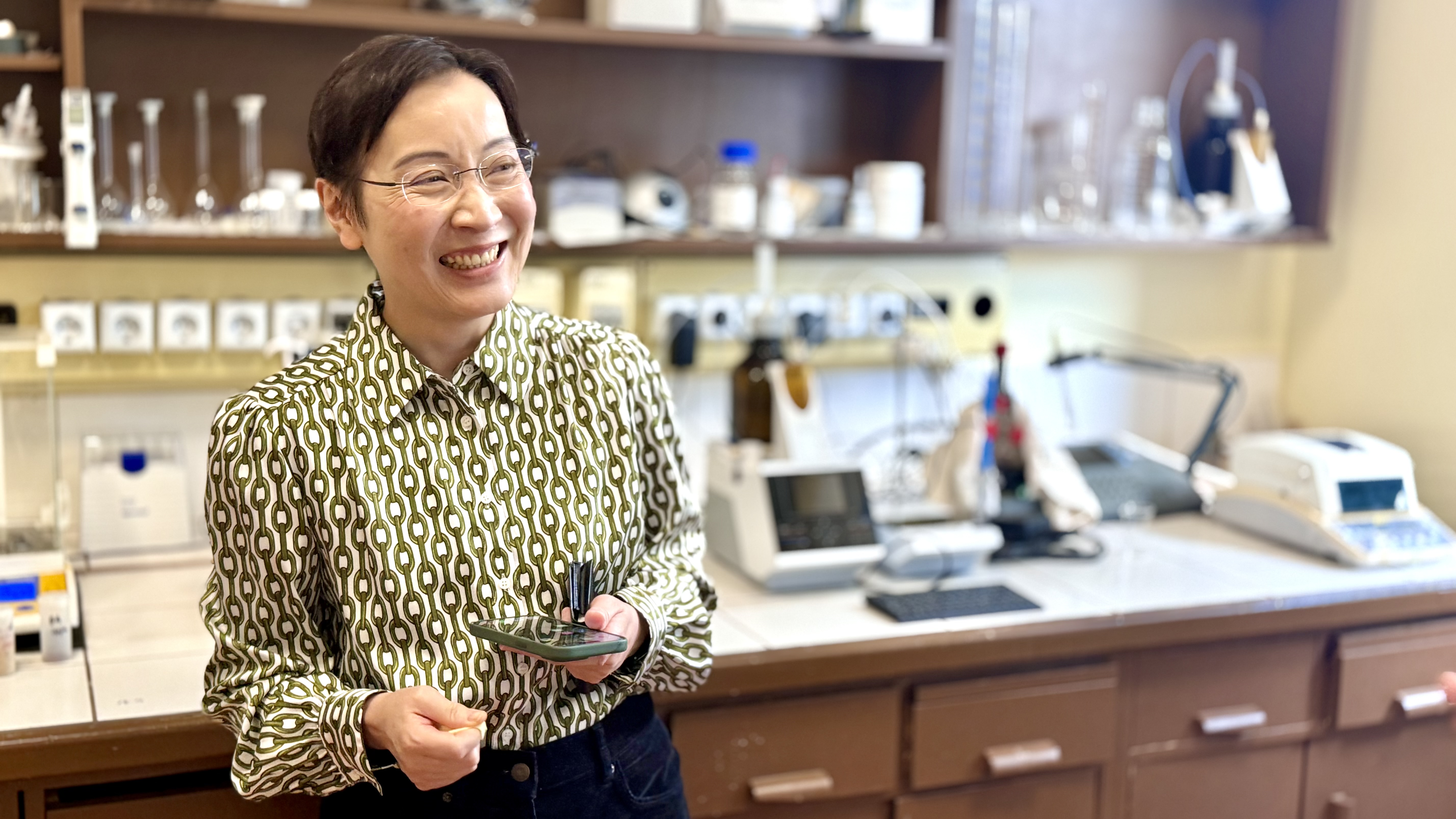
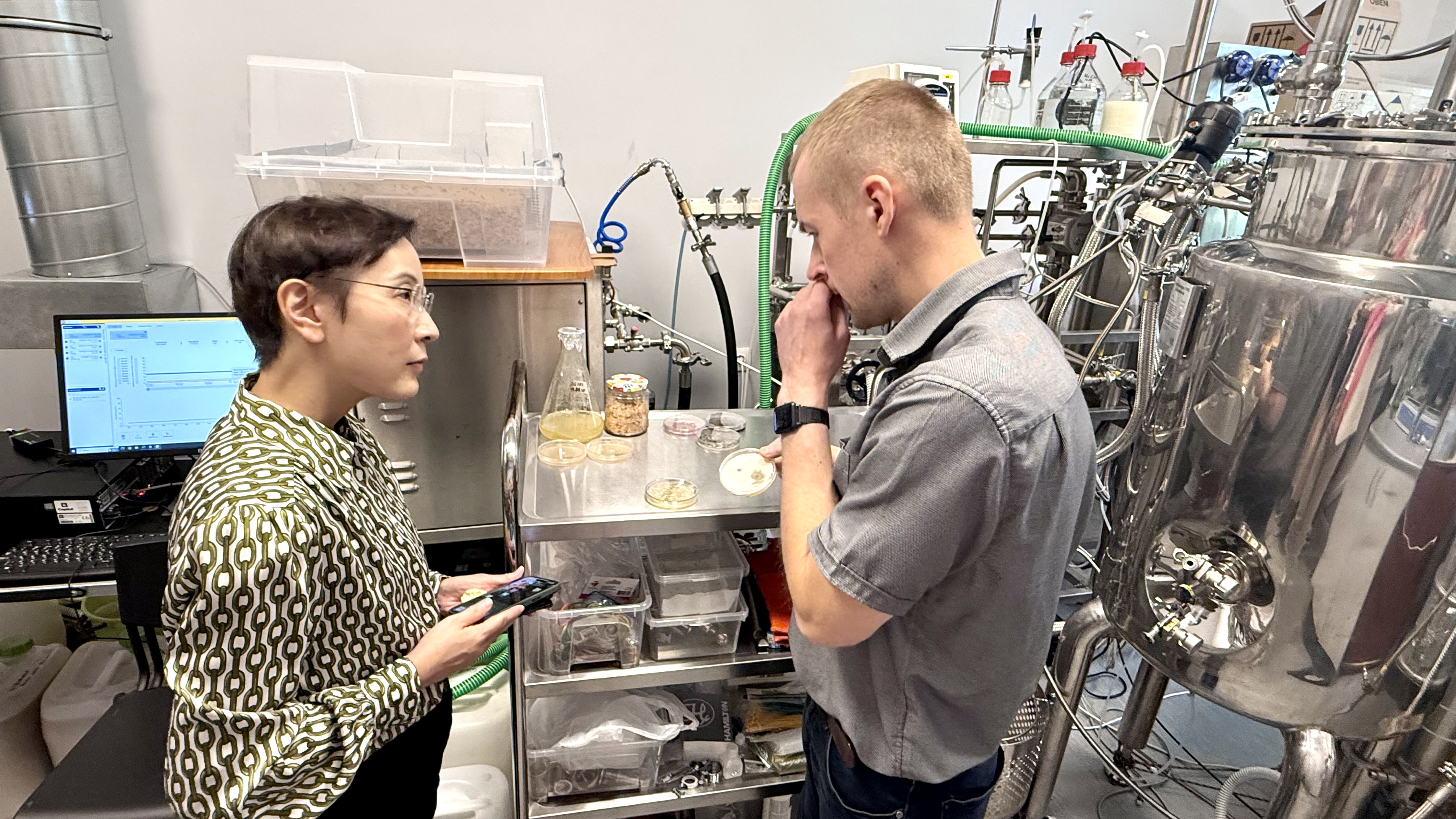
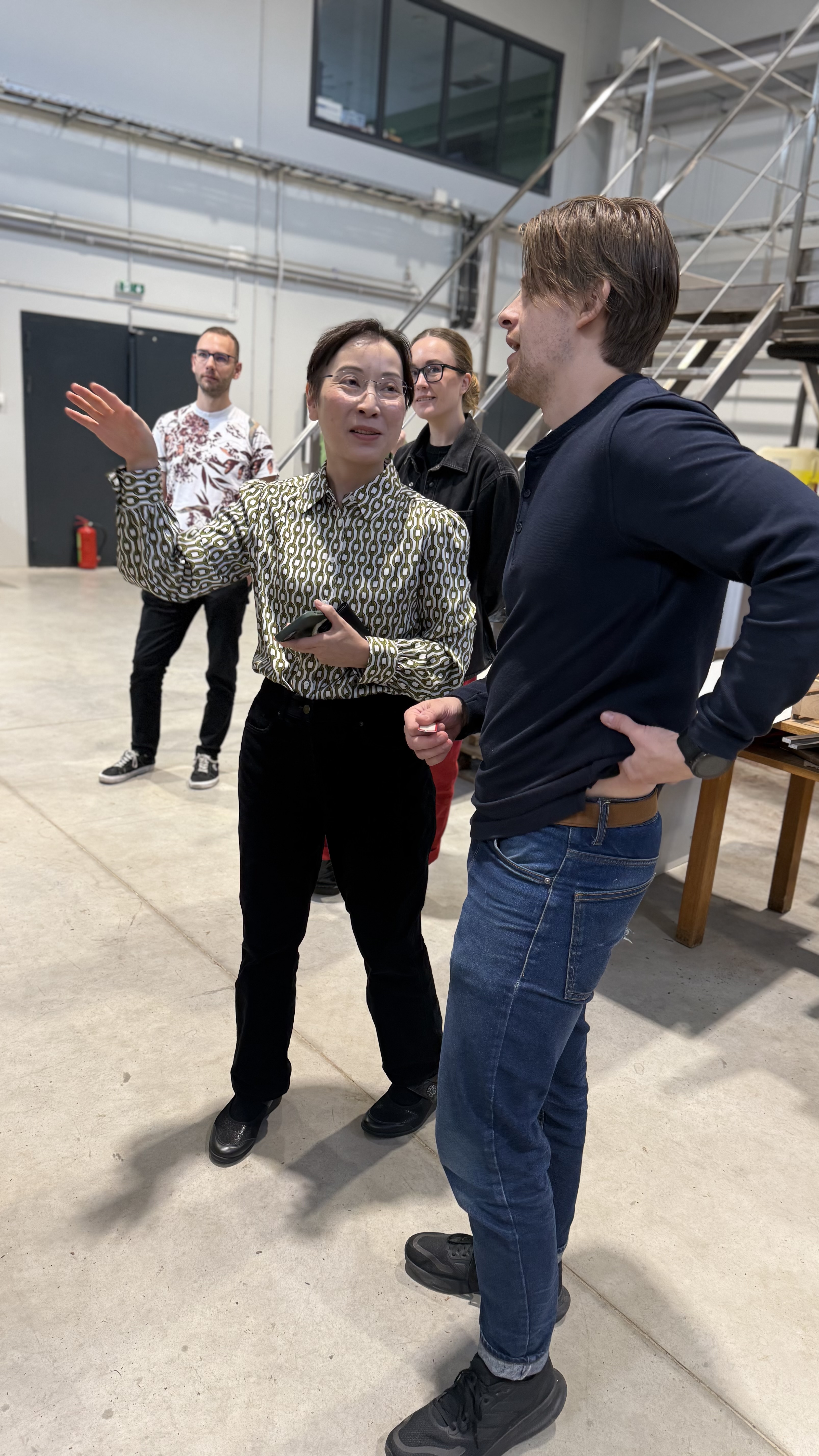
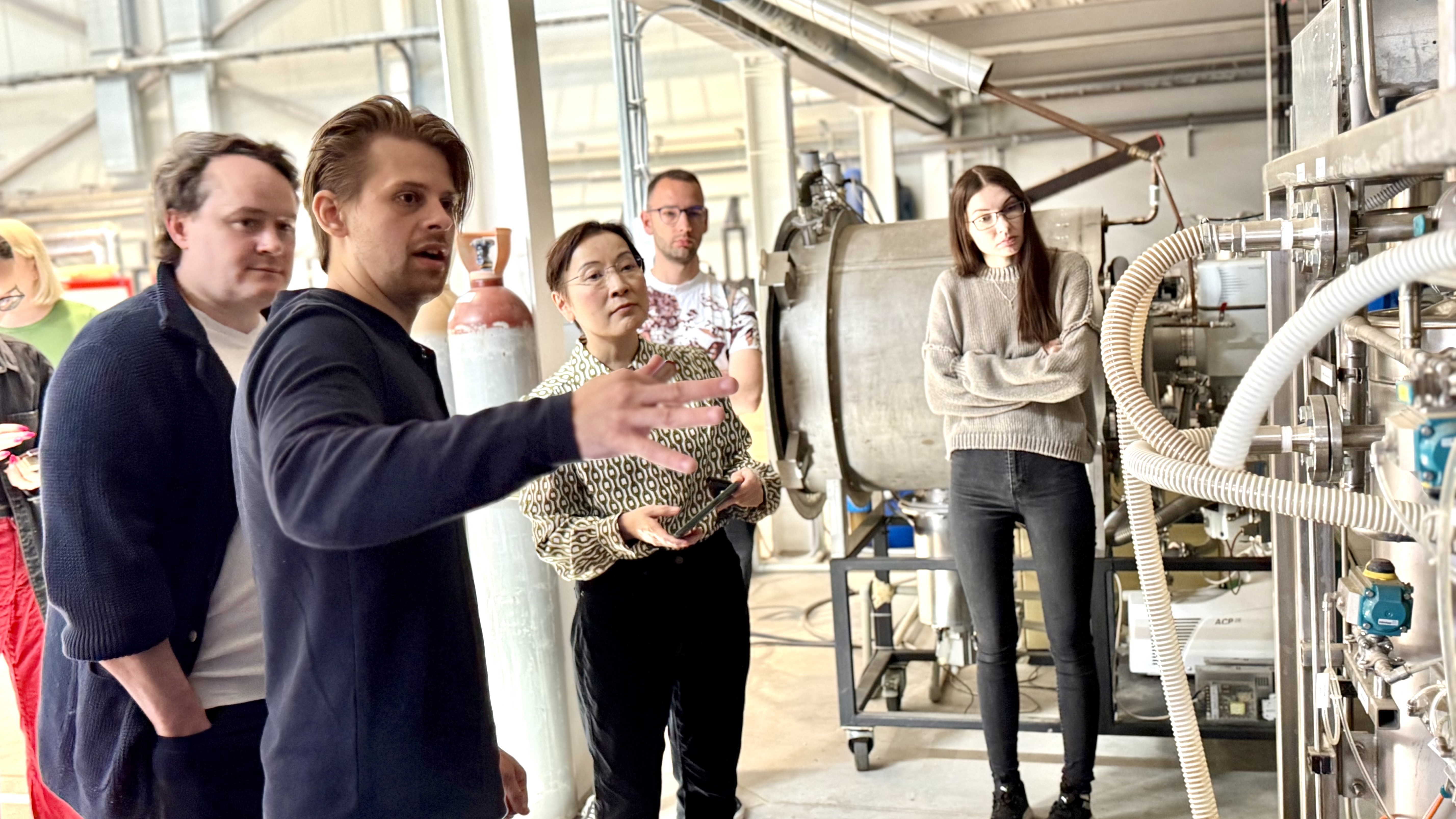
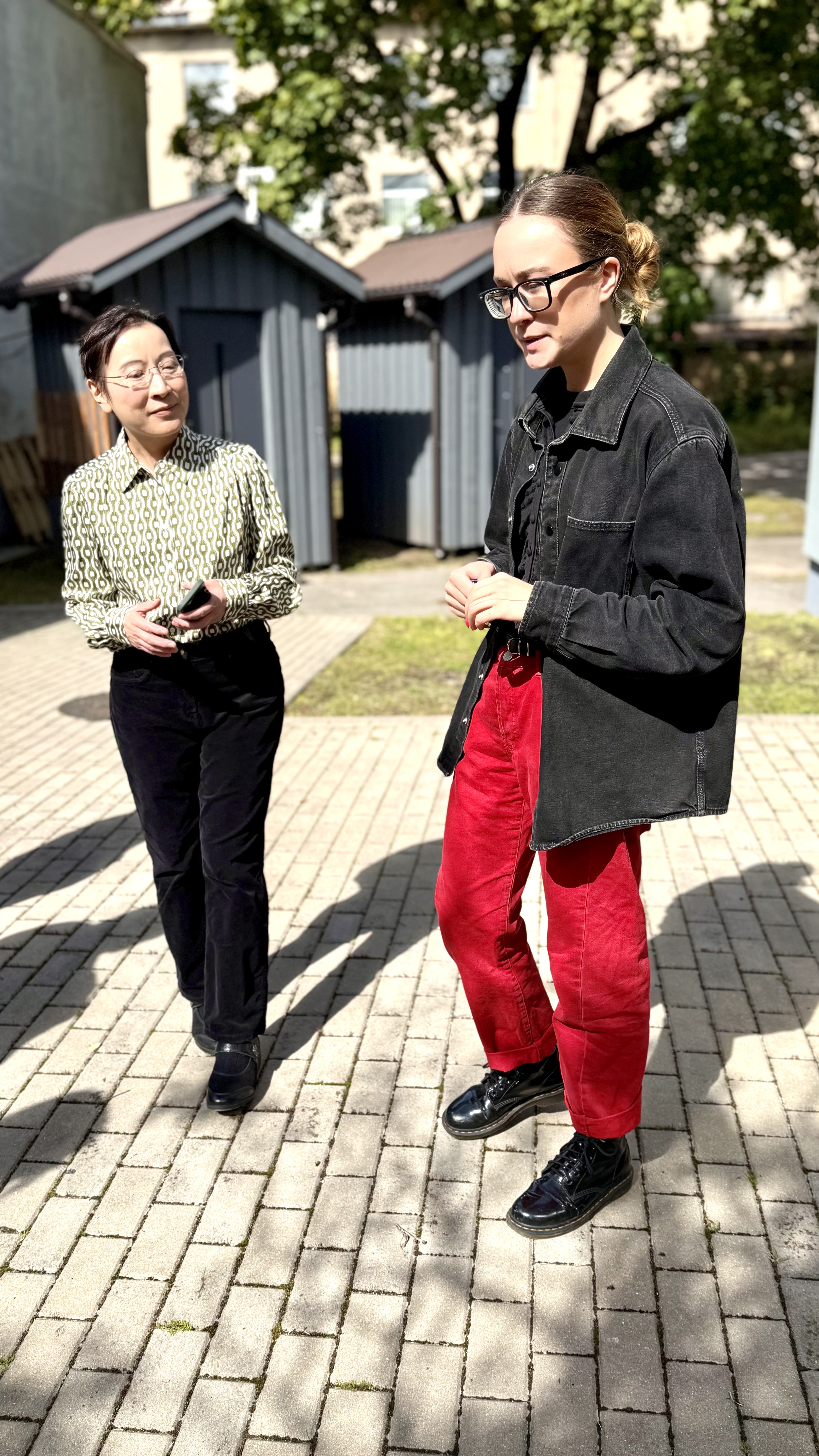
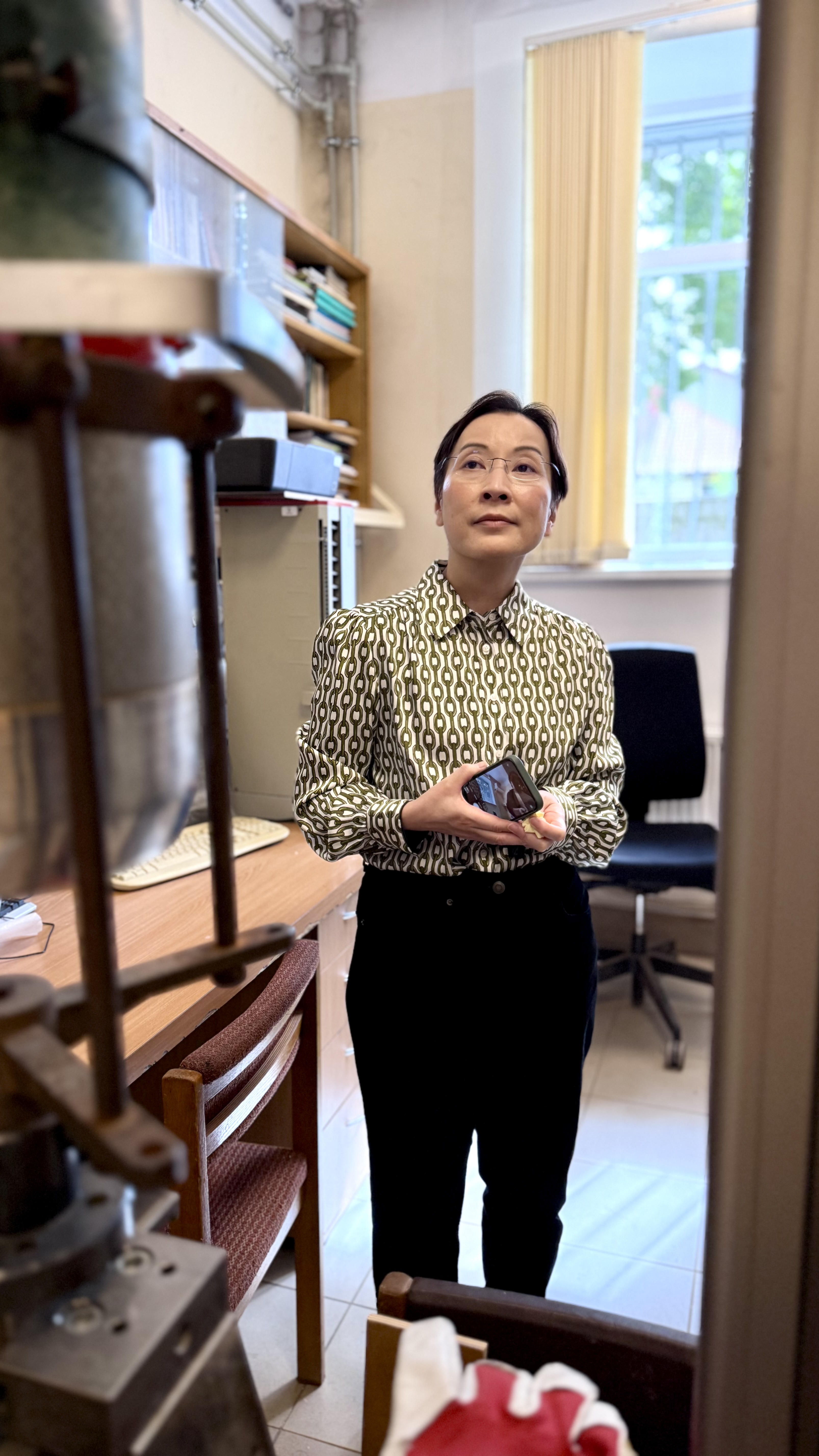
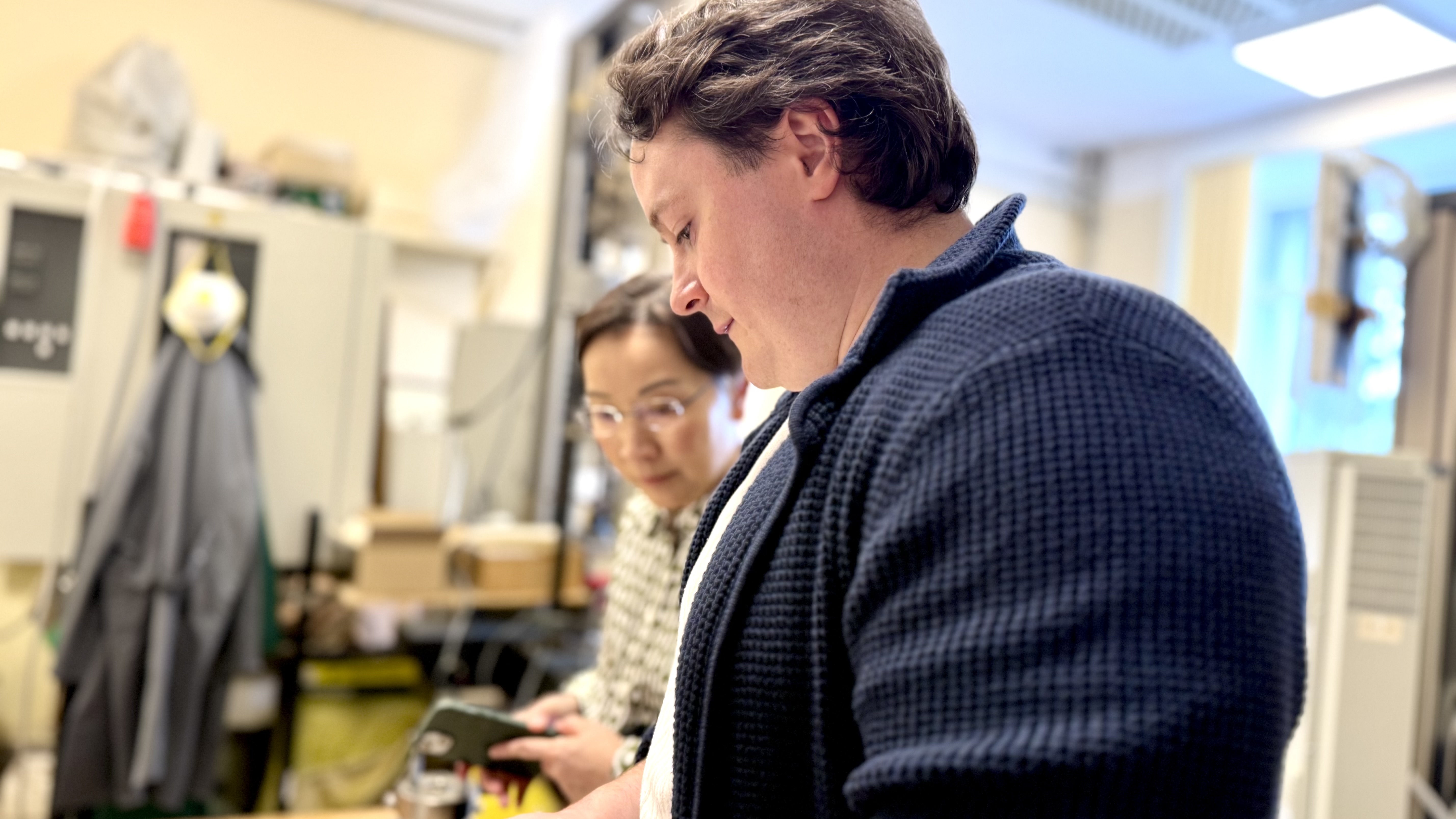
Professor’s Visit to LSIWC Laboratories
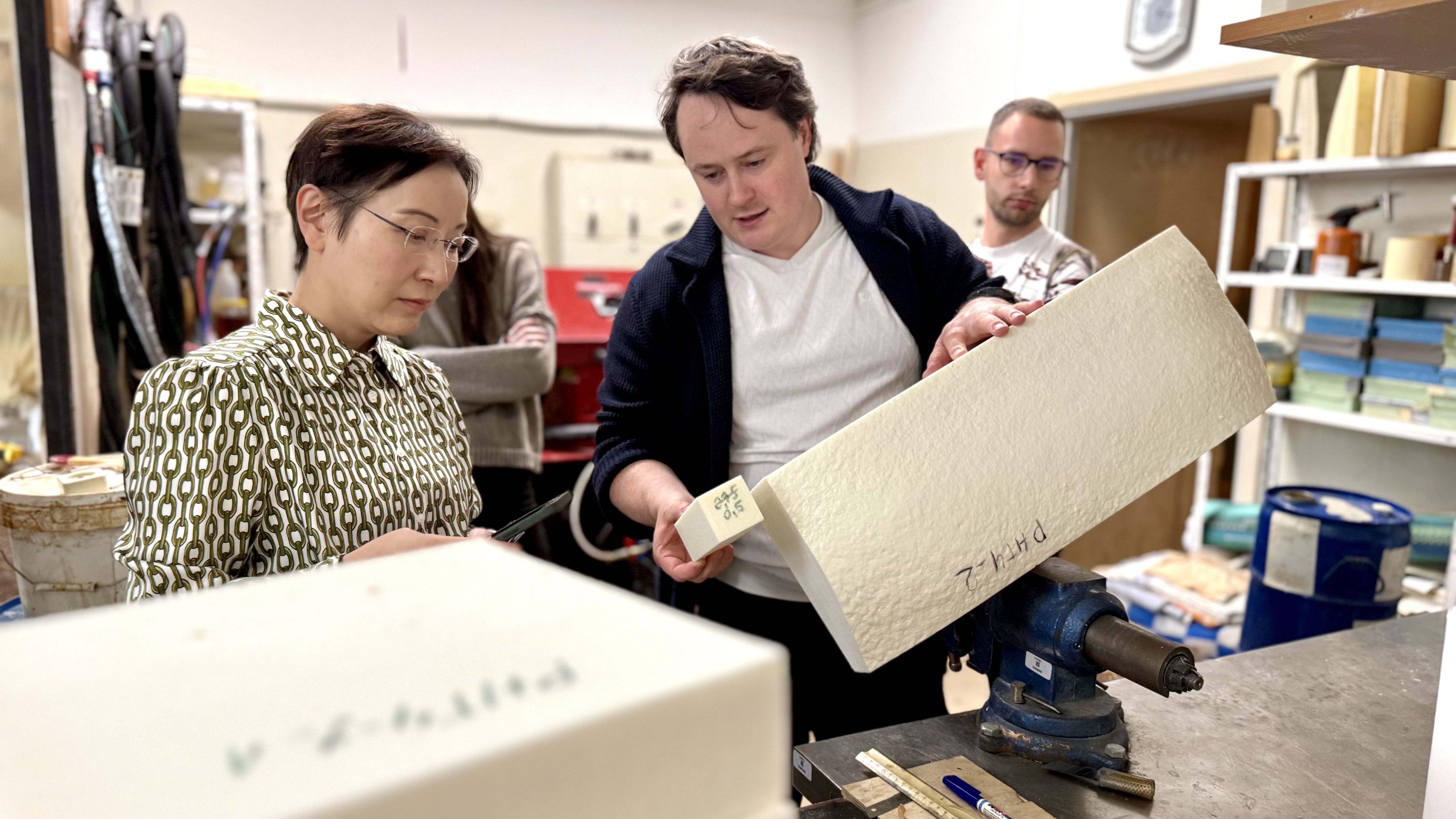
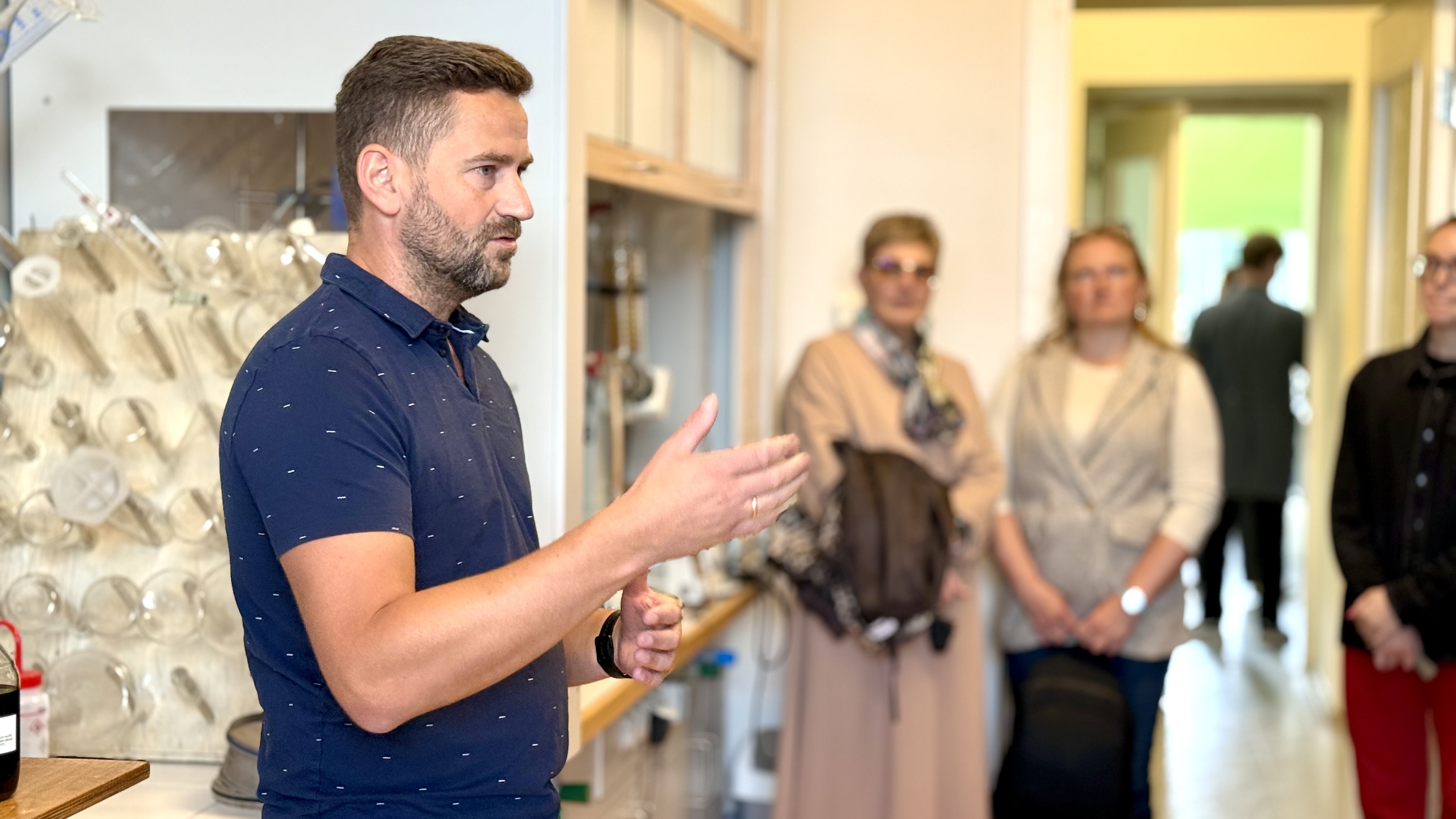
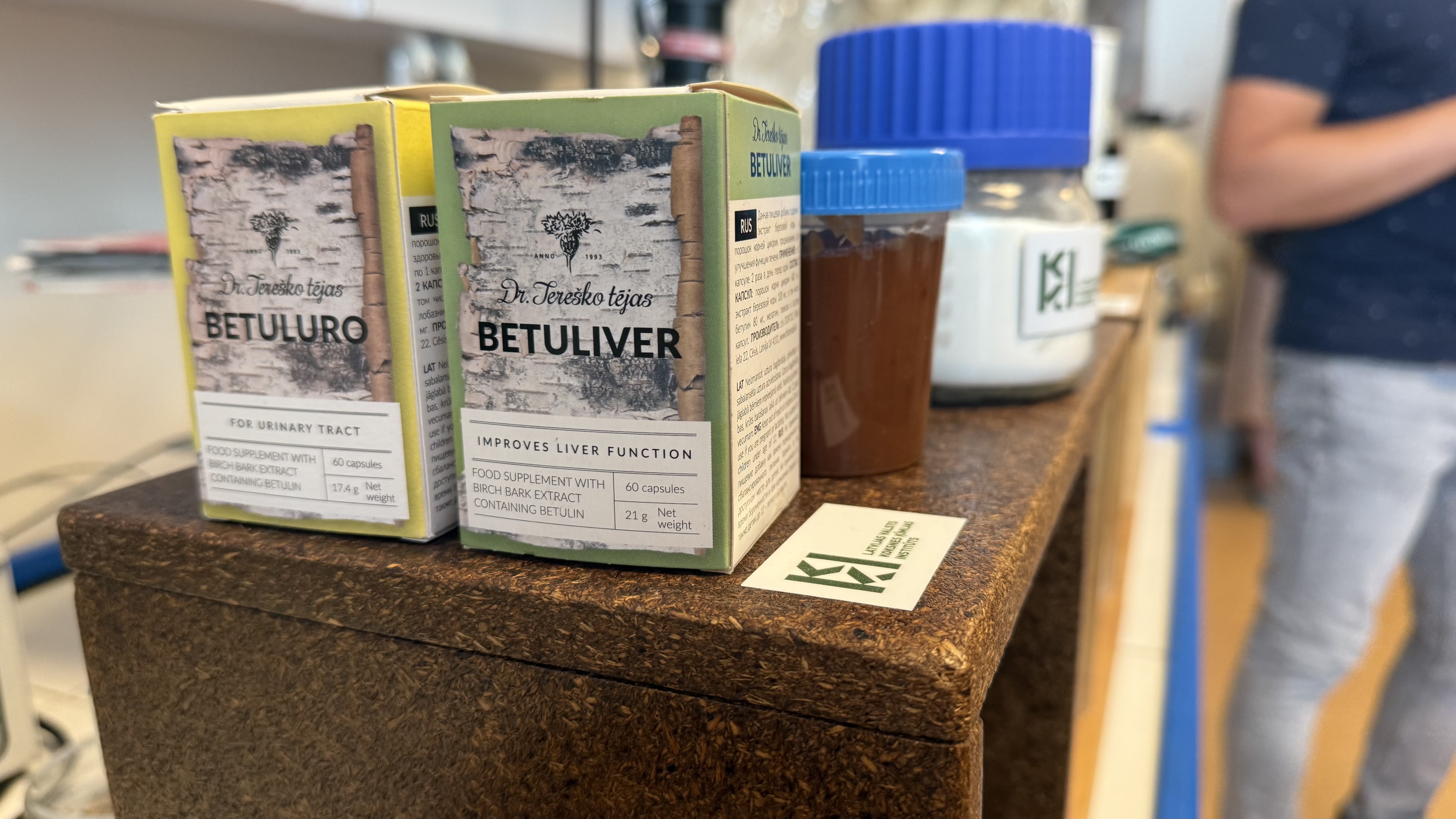
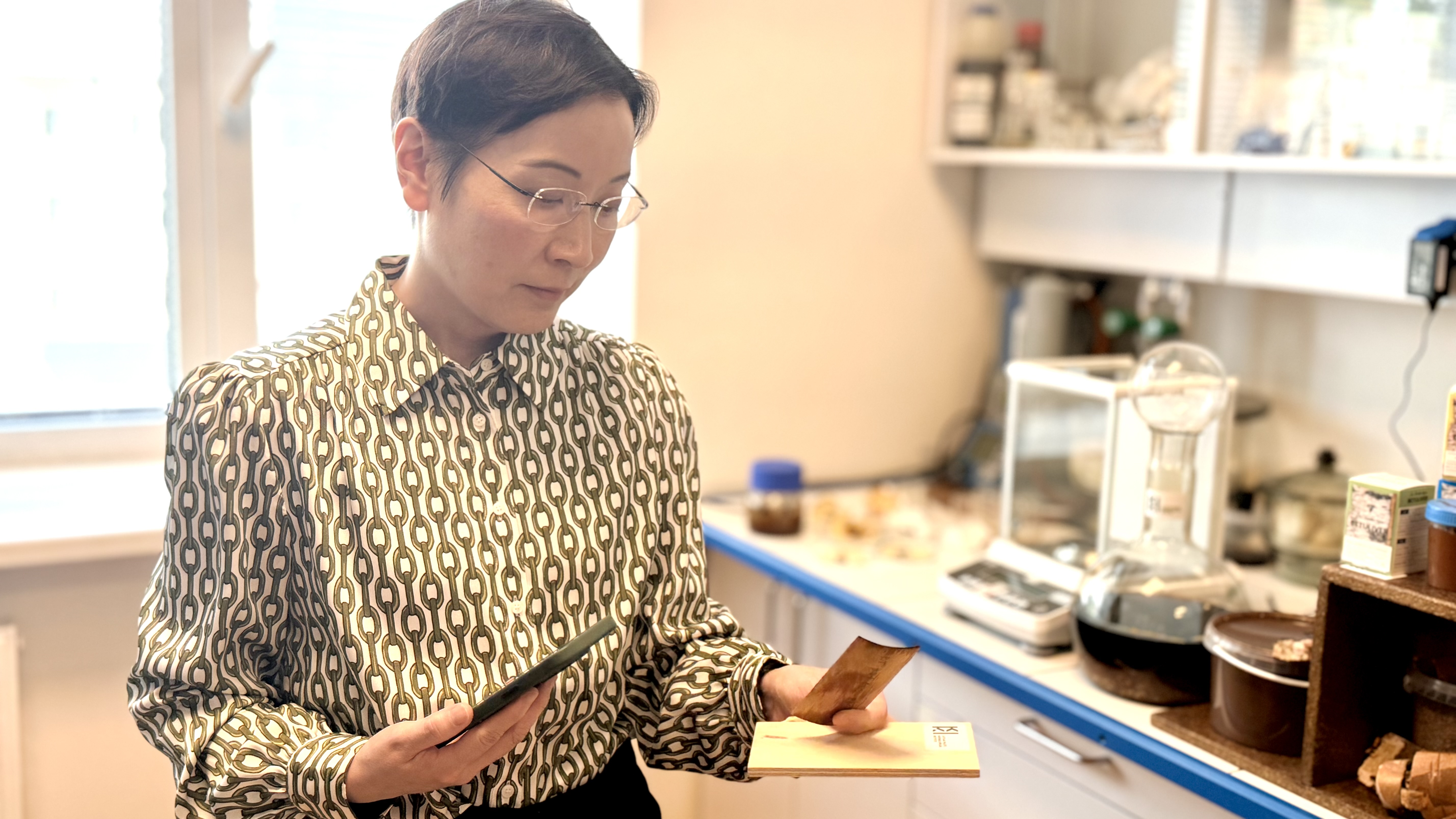
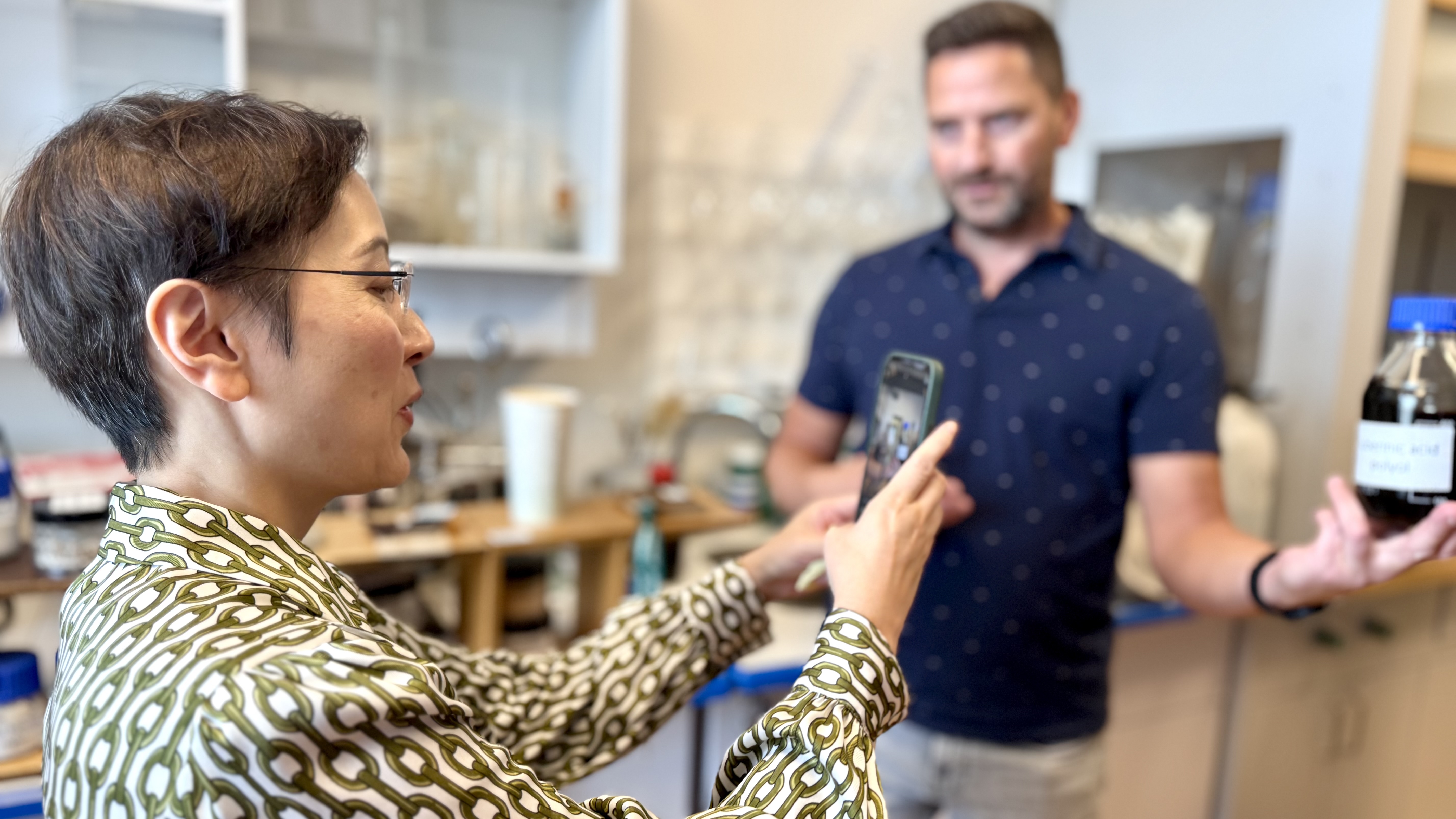
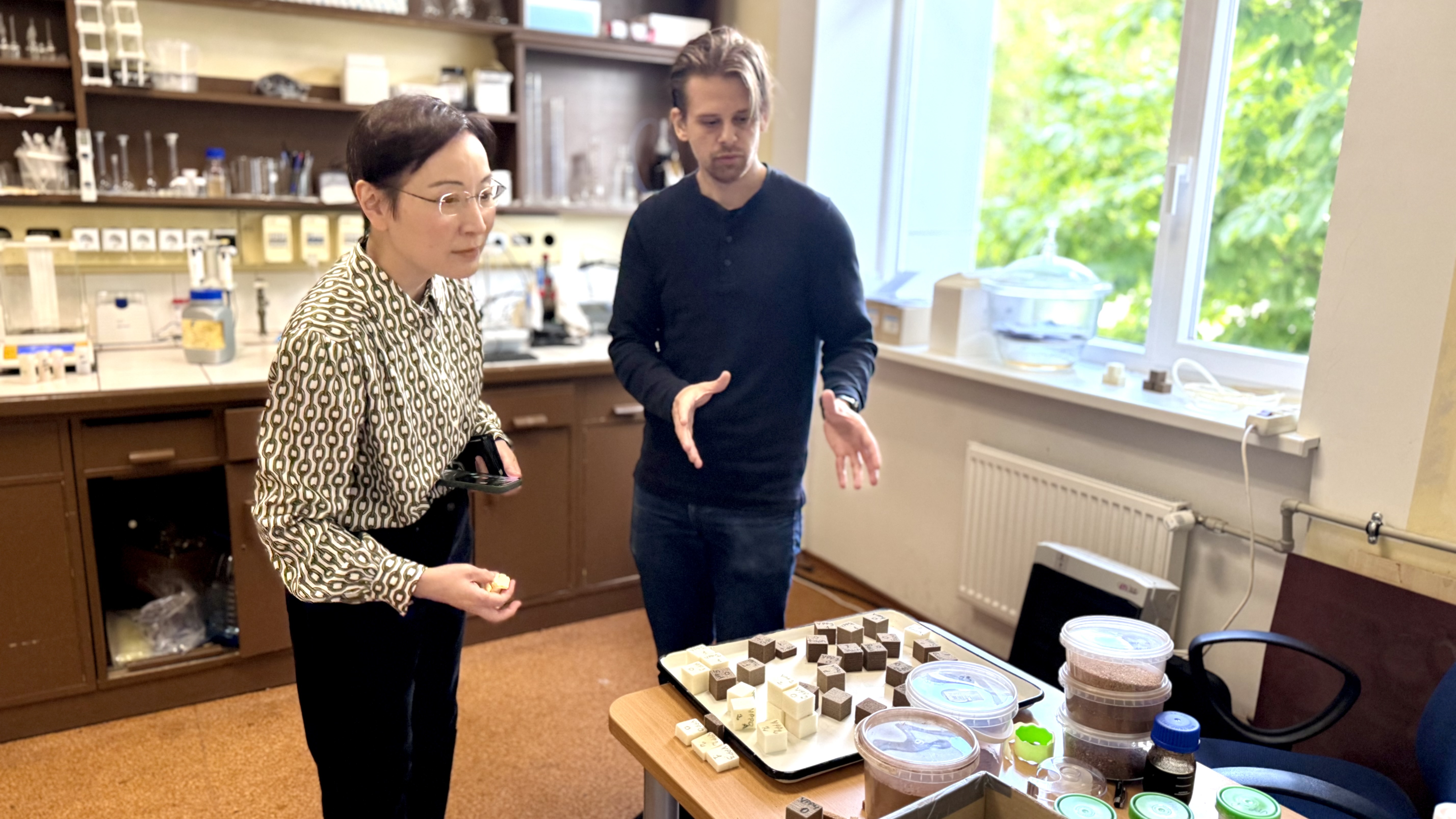
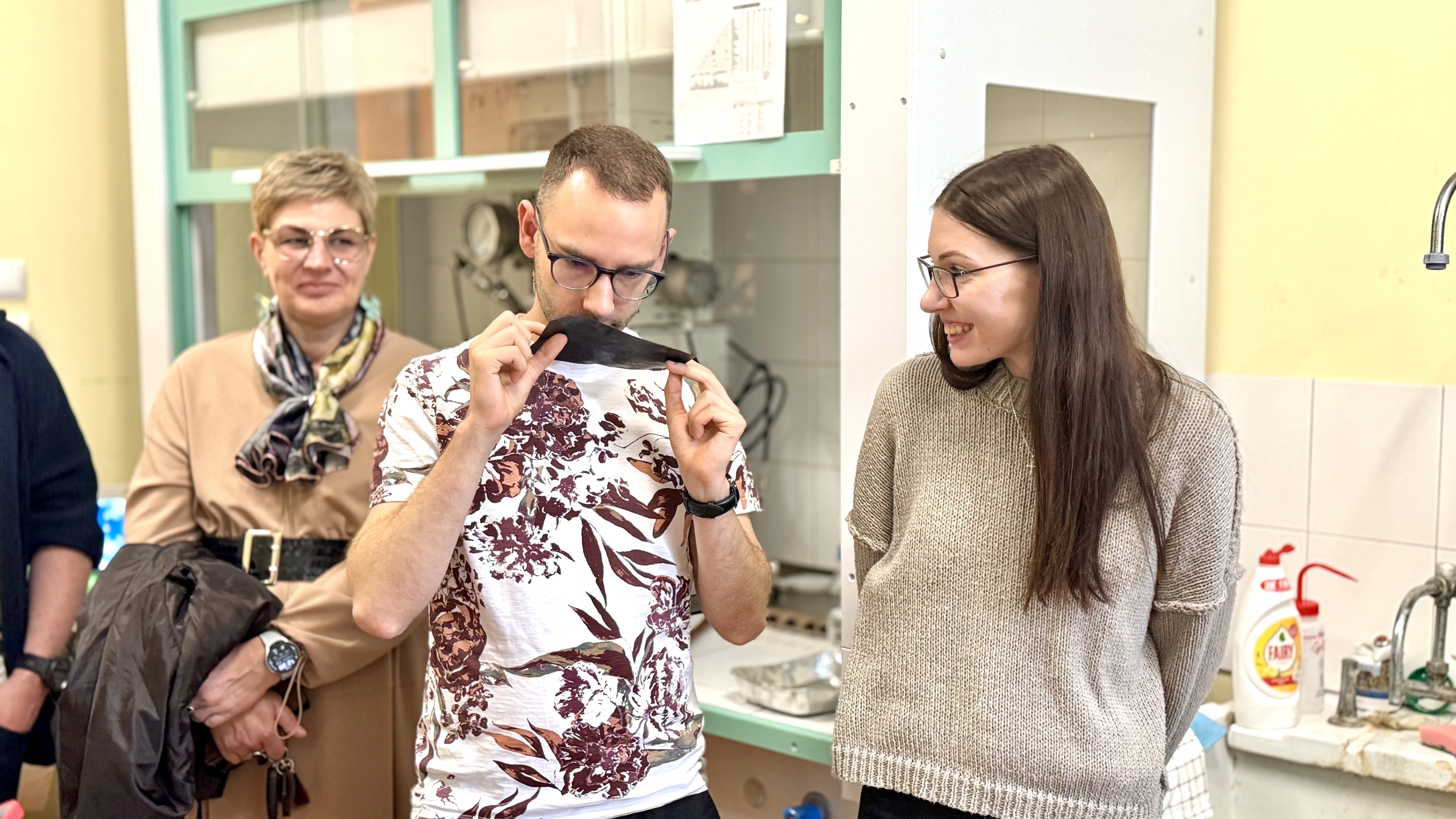
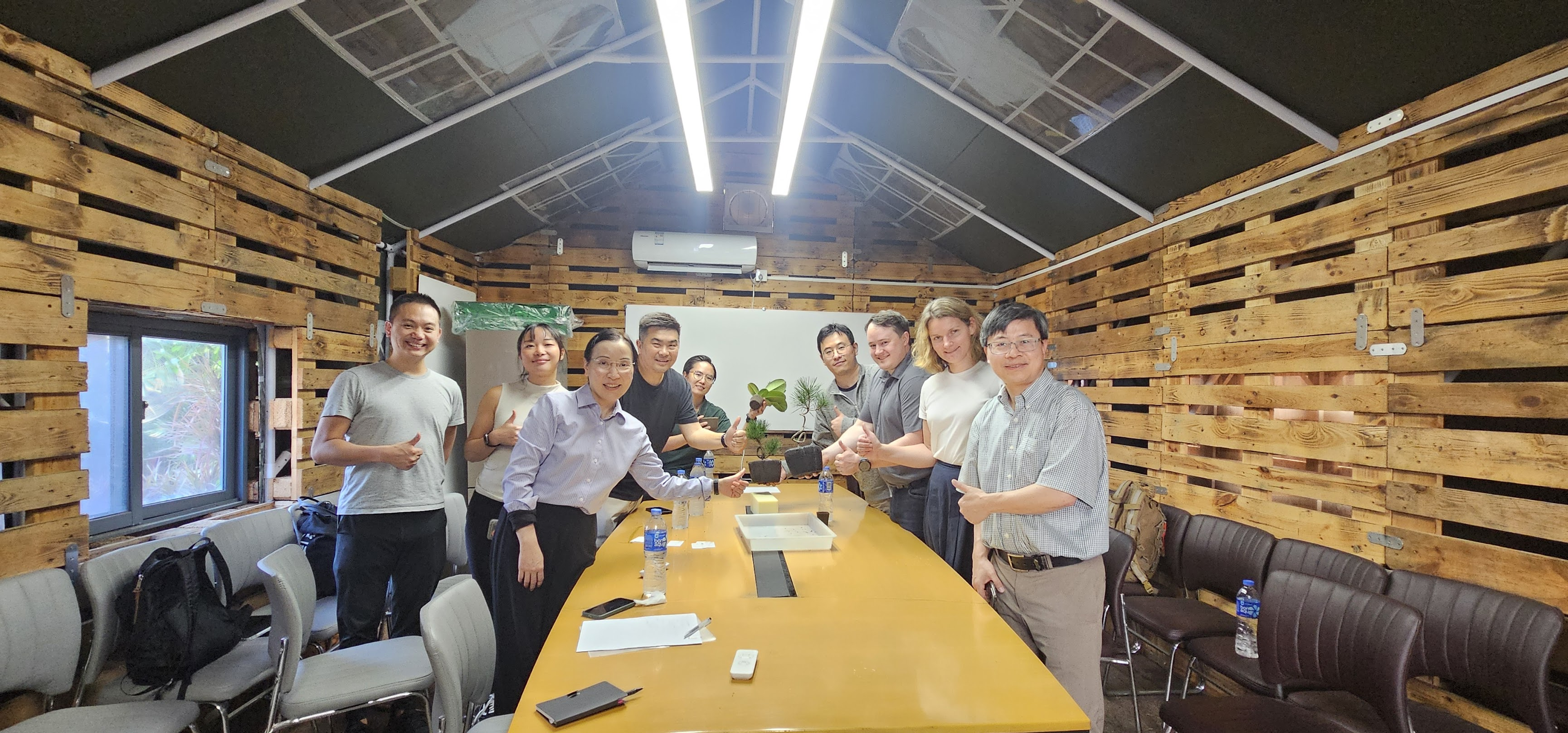
After the lecture, Professor Lin joined a guided tour of LSIWC, organized by our researcher PhD Daniela Godiņa. Dr. Jānis Rižikovs, head of the Biorefinery Laboratory, presented the lab’s research, achievements, and future plans. Researcher Matīss Pāls described the work of the Laboratory of Lignin Chemistry and the LSIWC Pilot-Scale Hangar, while Dr. Oskars Grīgs, head of the Laboratory of Bioengineering, highlighted current research directions. The tour concluded at the Polymer Laboratory, where leading researcher PhD Mikelis Kirpluks presented recent work and results. Organizational aspects of the visit were coordinated by leading researcher PhD Anda Fridrihsone.