The Raw Material Path as Strategy: Bioeconomy Solutions in the POLYMERS-5B Project
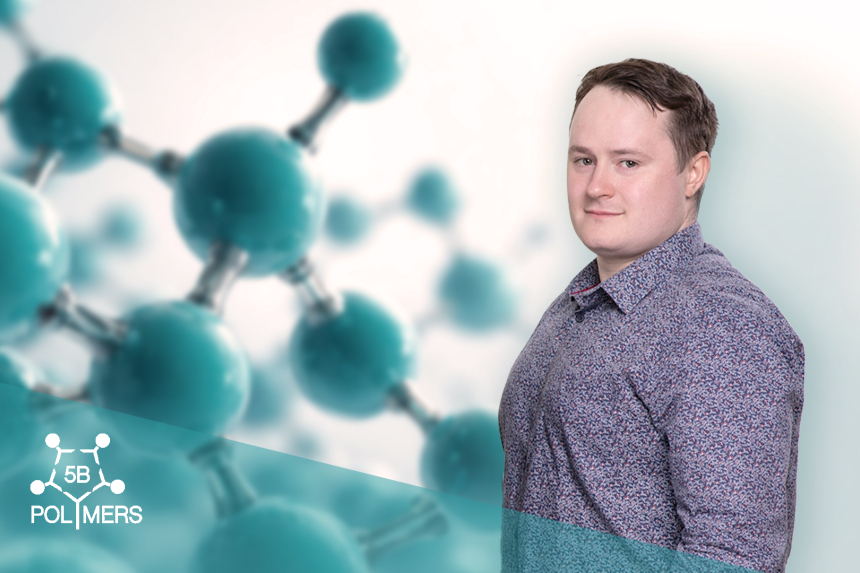
PhD Miķelis Kirpļuks is a leading researcher at the Polymer Laboratory of the Latvian State Institute of Wood Chemistry (LSIWC) and an internationally cited scientist (h-index 27). His work focuses on the development of rigid polyurethane foams from renewable and recycled resources, including vegetable oils, tall oil fractions, and recycled PET. He is involved in the full material development cycle – from the chemical modification of raw materials and experimental design to material testing and the assessment of technology scale-up potential.
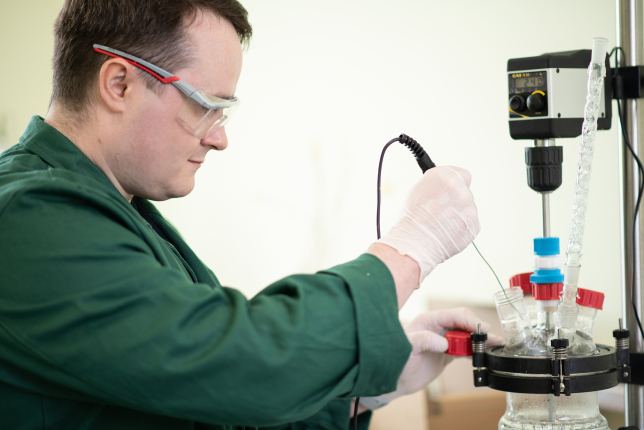
Currently, he leads the POLYMERS-5B project work package “Selection, extraction, and production of bio-renewable monomers and bioactive compounds” within an international consortium. During the project’s 18-month review meeting, the researcher visited the Max Planck Institute and its research facilities.
Eighteen months ago, LSIWC joined a major European initiative – the POLYMERS-5B project. The project aims to develop polymer materials from second-generation renewable feedstocks, including agricultural and food-processing by-products (tomato and olive processing by-products in various fractions), as well as wood-processing residues and lignin-derived raw materials.
Why is the raw material so important?
POLYMERS-5B is built on the food first and cascading use principles: primary resources are used for food, while by-products and residues are directed toward the creation of high value-added materials. This approach not only reduces waste and improves the efficiency of existing resources, but also alleviates pressure on food systems and enables more responsible land use.
The molecular structure of a raw material already defines the boundaries of what can ultimately be achieved in terms of mechanical strength, thermal stability, and biodegradability in the final material.
Within POLYMERS-5B, biocatalysis and green chemistry approaches are being developed to synthesize polyesters, polyamides, polyphenols, and polyfurans with tailored functional groups from renewable monomers. The objective is not merely “biological origin,” but performance levels that allow these materials to compete with fossil-based polymers.
Special attention is also given to vitrimers, which can be thermally reprocessed, thereby reducing the environmental burden associated with conventional polymers.
Artificial Intelligence, Safe-and-Sustainable-by-Design, and Applications
POLYMERS-5B employs machine learning tools to model polymer properties and optimize processes with minimal resource consumption. From the earliest design stages, a Safe-and-Sustainable-by-Design approach is integrated, meaning that technological, economic, and environmental aspects are assessed in parallel with material development.
One of the project’s quantitative targets is to achieve up to a 50% reduction in energy consumption and greenhouse gas emissions compared to fossil-based alternatives.
The developed materials are being tested for applications in the textile, automotive, furniture, and polymer resin sectors. The project spans the entire value chain — from raw material selection and extraction to pilot-scale polymerization and validation of final products.
Latvia’s Contribution
After the first year of the project, the POLYMERS-5B team has already demonstrated that high value-added monomers and functional polymers can be obtained from agri-food residues and lignin-derived streams. However, these results are underpinned by complex work involving raw material selection, optimization of extraction processes, and modelling of material properties.
To gain deeper insight into how next-generation polymers emerge from waste streams, and what the key challenges are on the path toward industrial scale, we invited PhD Miķelis Kirpļuks for a conversation.
Interview with PhD Miķelis Kirpļuks
Raw Material Selection and Strategy
What scientific and economic criteria guided the selection of specific bio-based residues, and how does this choice influence subsequent polymer development?
The selection of specific bio-based residues (tomato and olive pomace, as well as wood by-products such as black alder bark and lignin fractions) was based on several interrelated criteria:
- a high content of functional groups (hydroxyl, carboxyl, epoxy, phenolic groups, and unsaturated bonds), enabling their direct use – or use after chemical modification – as polyols, Michael donors/acceptors, or antioxidant precursors;
- the possibility to implement a zero-residue and cascade-type extraction approach, allowing multiple valuable fractions to be obtained simultaneously;
- feedstock availability and seasonality at the EU level, along with existing collaboration with industrial suppliers, reducing logistical and supply risks;
- potentially lower production costs compared to fossil-based alternatives, as these materials are currently regarded as low value-added waste streams;
- alignment with circular bioeconomy and decarbonisation objectives.
This selection directly influences subsequent polymer development, as it determines the chemical structure, functionality, and reactivity of the available monomers. In turn, this defines the choice of polycondensation, Michael addition, or other polymerization mechanisms, as well as the mechanical, thermal, and oxidative stability of the final materials and their bio-based carbon content.
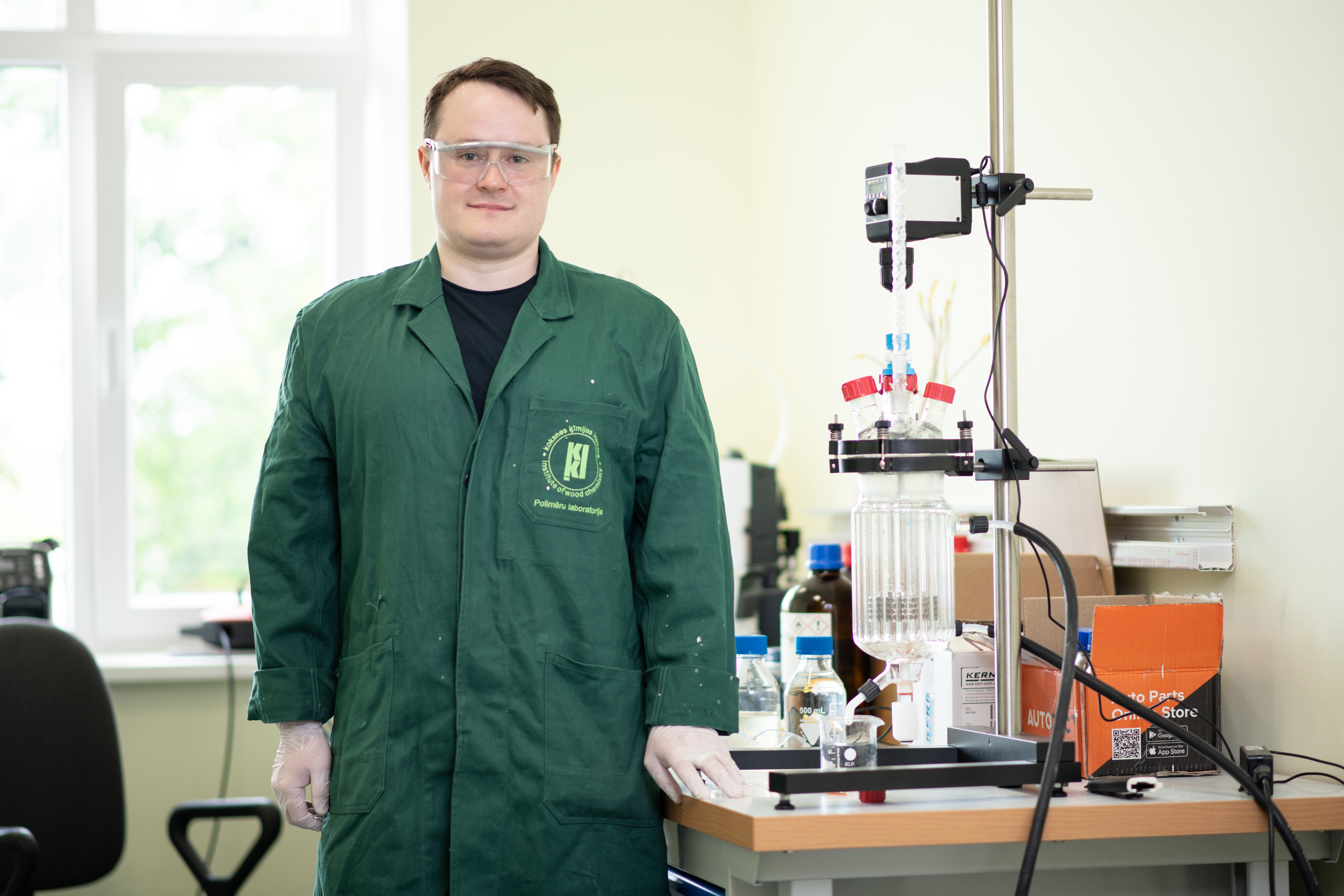
PhD Miķelis Kirpļuks
Feedstock Availability and Supply Security
How can stable feedstock availability and quality be ensured, given seasonal fluctuations and market dynamics?
Stable feedstock availability and quality can be ensured through diversification of suppliers, long-term supply agreements, and the establishment of seasonal stockpiles under controlled conditions. At the same time, strict quality specifications (e.g., moisture content, acid value, hydroxyl number, etc.) and rapid analytical control methods (such as NIR and FTIR) must be implemented to compensate for natural variability in raw material properties.
In addition, the integration of side streams and flexible process adaptation help mitigate risks associated with market price fluctuations.
Technological Process and Efficiency
What extraction and monomer production approaches are being used, and how energy-efficient and scalable are they?
For tomato and olive side streams, initial physical fractionation (flotation, filtration) is applied, followed by water extraction of polyphenols and other hydrophilic compounds at room temperature. Since no significant differences in yield were observed within the 25–90 °C range, operating at ambient temperature reduces energy consumption and improves scalability.
Tomato seed oil is obtained through dry milling followed by solvent extraction (e.g., n-hexane), while greener solvent alternatives are also being evaluated. Itaconic acid is produced via fermentation, using minimally processed tomato extracts as the substrate, which allows the product yield to be doubled compared to synthetic media.
Wood and bark extracts are obtained using water/ethanol systems, including under elevated pressure (Parr reactor). It has been demonstrated that lower temperatures and shorter processing times reduce degradation and energy consumption while maintaining high antioxidant activity.
For the further utilization of monomers within WP4, biocatalytic polycondensation is carried out in water, mini-emulsion systems, and solvent-free environments at 45 °C, ensuring moderate energy demand and high selectivity.
Alternatively, 1,4-carbon Michael and Aza-Michael polycondensation reactions are performed at room temperature, enabling the production of two-component, isocyanate-free thermosetting polymers with potential for industrial-scale application.
Overall, the approach is based on low-temperature processes, the use of water or environmentally friendly solvents, and a biorefinery logic with co-production of multiple products. This ensures good energy efficiency and technological scalability at pilot level and supports further industrialization.
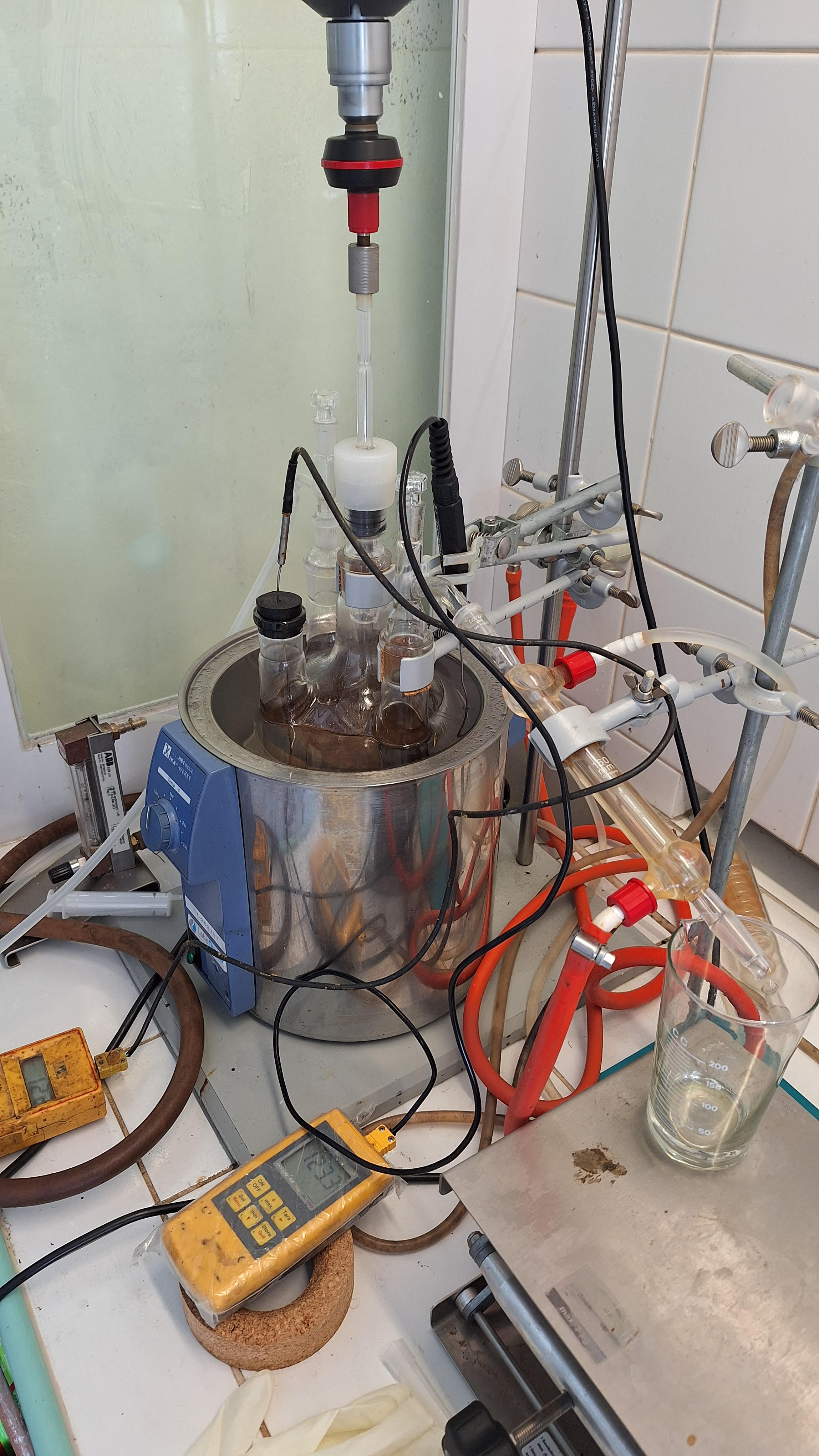
Synthesis of components for bio-based thermoset polymers
Material Properties and Performance
How does the molecular structure of raw materials determine the mechanical, thermal, and biodegradation properties of the final polymers, and how competitive are they compared to fossil-based analogues?
The molecular structure of raw materials defines the properties of the final polymer through functionality, chain length, degree of saturation, and aromaticity, which influence crosslink density, segmental mobility, and intermolecular interactions. Higher functionality and aromatic structures generally increase mechanical strength and glass transition temperature (Tg), while more flexible aliphatic chains provide greater deformability and lower Tg.
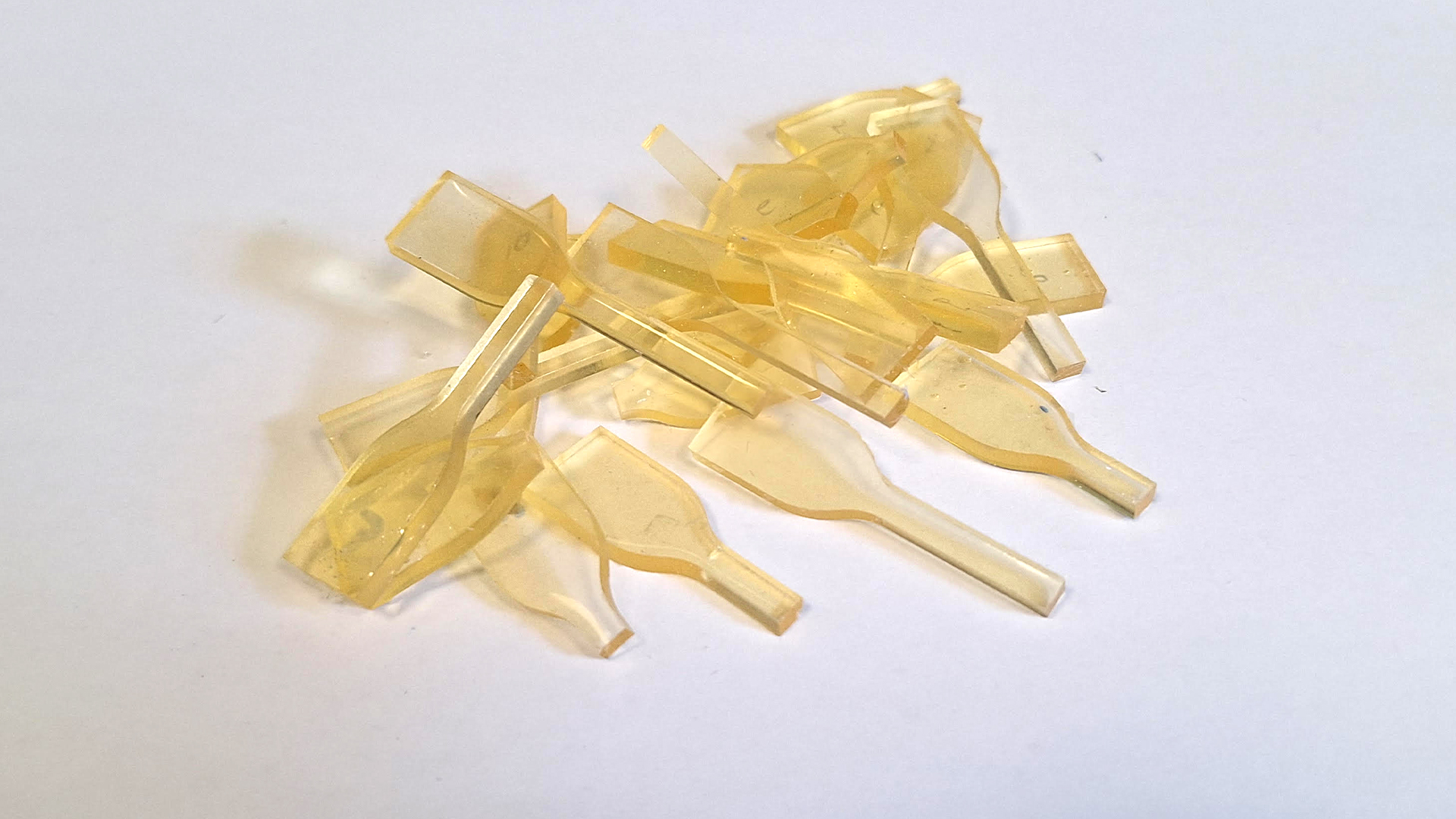
Thermoset polymer samples after tensile strength testing
Bio-based monomers containing hydrolytically sensitive bonds may promote biodegradation or reprocessability, particularly in adaptive network systems. Within the POLYMERS-5B project, these relationships are optimized and targeted material properties are predicted using artificial intelligence-based modelling of polymer structure and composition. This enables the anticipation of mechanical and thermal performance already at the design stage, accelerating the development of materials that are competitive with fossil-based counterparts while offering enhanced sustainability potential.
Transition from Laboratory to Industry
What are the main barriers to moving from laboratory scale to pilot production and commercial implementation?
The key barriers in transitioning from laboratory scale to pilot production and commercial deployment are typically related to process reproducibility, variability in raw material quality, technological scale-up, and economic feasibility. Parameters optimized at laboratory scale (such as mixing, heating profile, reaction time, and catalyst loading) may alter reaction kinetics and molecular weight distribution in a pilot reactor, making detailed scale-up engineering and strict process control essential.
In the case of bio-based feedstocks, an additional challenge lies in seasonal and batch-to-batch variability, which can affect rheology, conversion rates, and final material properties. From a technical standpoint, equipment adaptation (e.g., dosing of viscous systems, heat transfer efficiency, safety considerations) is also critical, as is ensuring consistent quality in compliance with industry standards.

Ground thermoset polymer samples prepared for compression molding
Economic barriers include feedstock costs, energy consumption, investments in pilot-scale facilities, and competitiveness against fossil-based alternatives. Finally, regulatory requirements, certification processes, and building customer trust often determine the pace of market entry as much as the chemistry or technology itself.

Reprocessed thermoset polymer samples obtained via the Aza–Michael reaction
Market and Policy Perspective
In which sectors do you see the most realistic potential for the adoption of bio-based polymers, and what role can Latvian bioresources and policy support play in turning these materials into an industry standard rather than merely an alternative?
The most realistic potential for the implementation of bio-based polymers lies in construction (insulation materials, adhesives, coatings), wood composites, specialized packaging, and technical thermosetting polymers, where not only price but also carbon footprint, recyclability, and functional performance are critical factors.
Latvia’s forestry and agricultural side streams (bark, lignin, extractives, etc.) can provide a stable local feedstock base with high added value. At the same time, targeted policy support – such as green public procurement, integration of CO₂ criteria, investments in pilot production and bioeconomy infrastructure – can accelerate the transition from niche alternative to industry standard, particularly when science–industry collaboration and circular economy principles are strengthened.
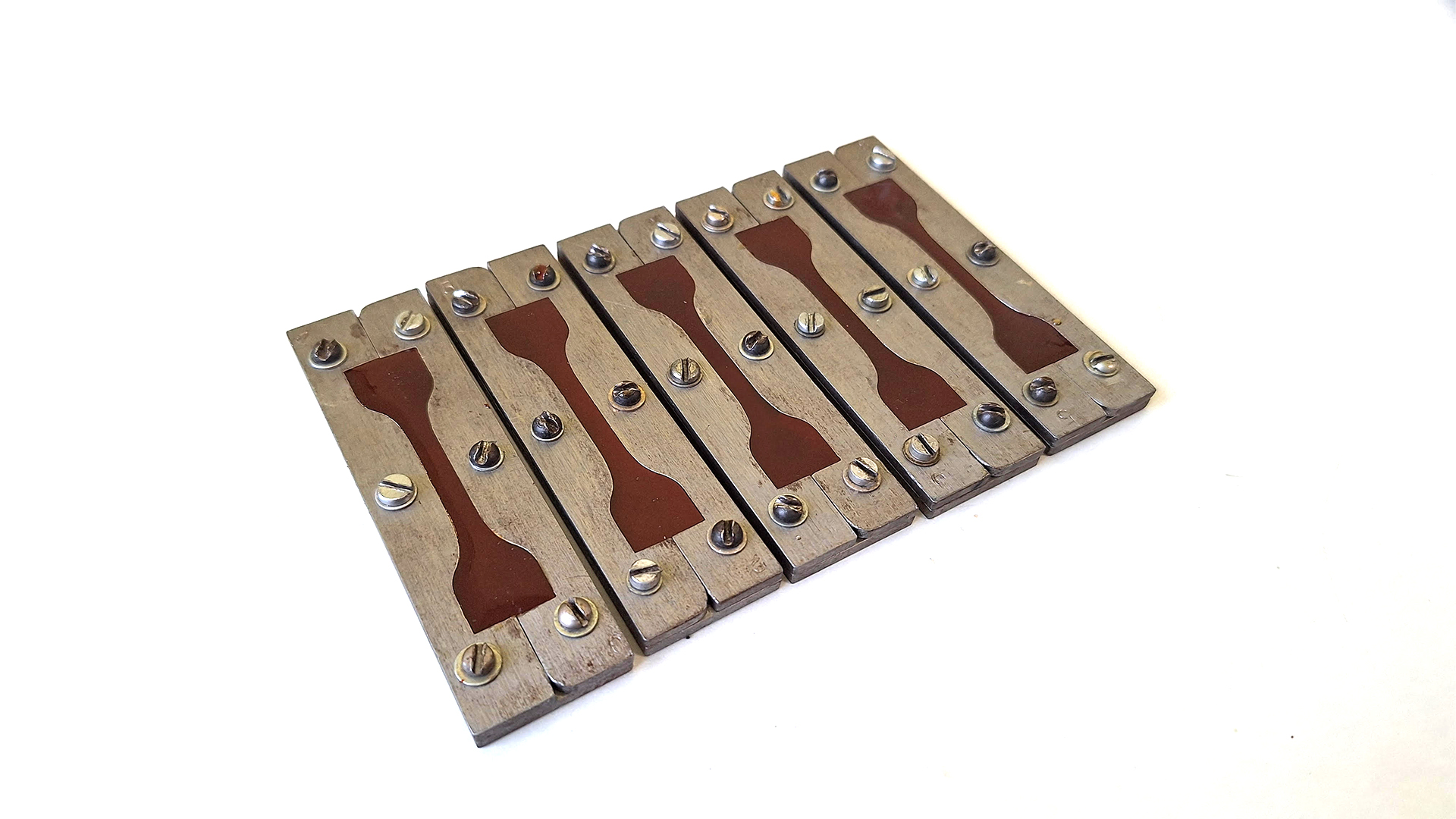
Tall oil-based thermoset polymer samples