4Sir2 Project Partners Review First Year of Progress in Riga
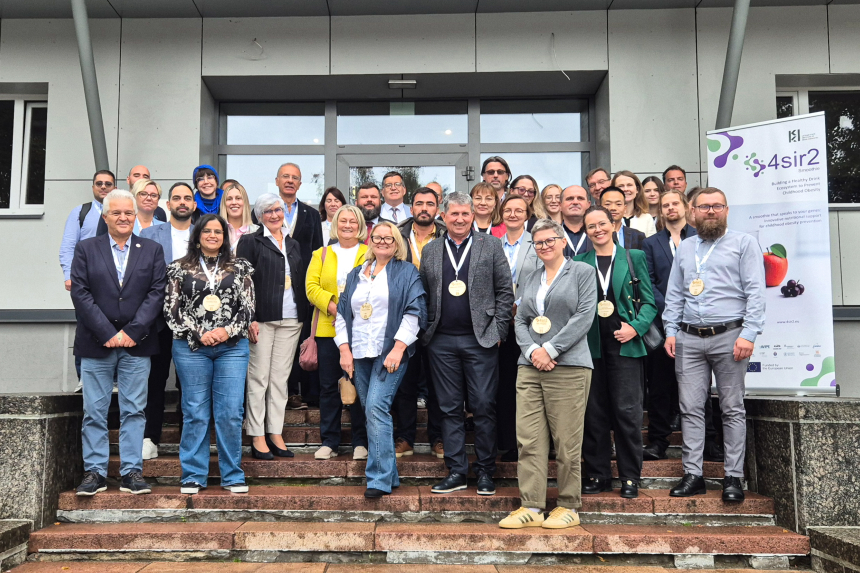
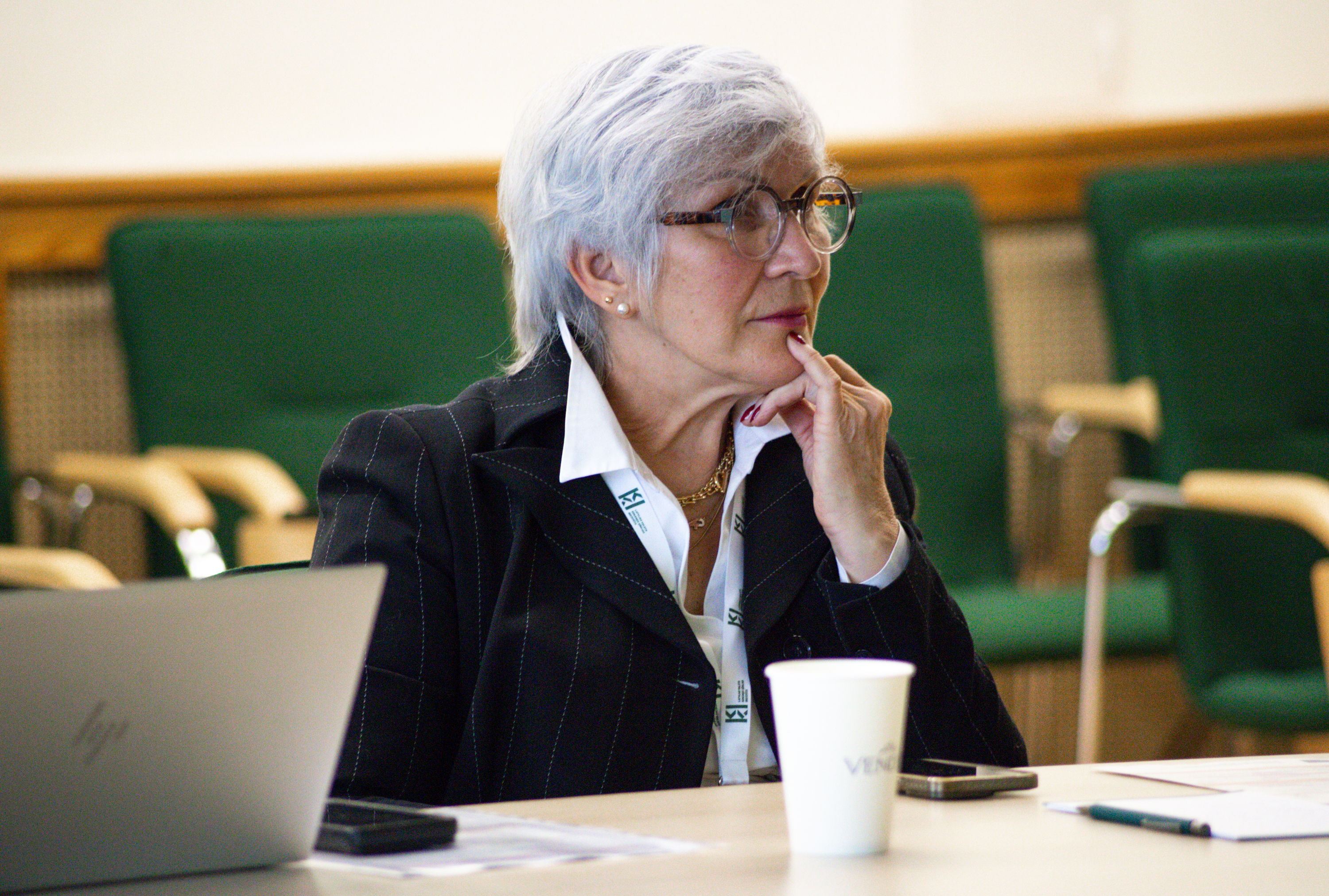
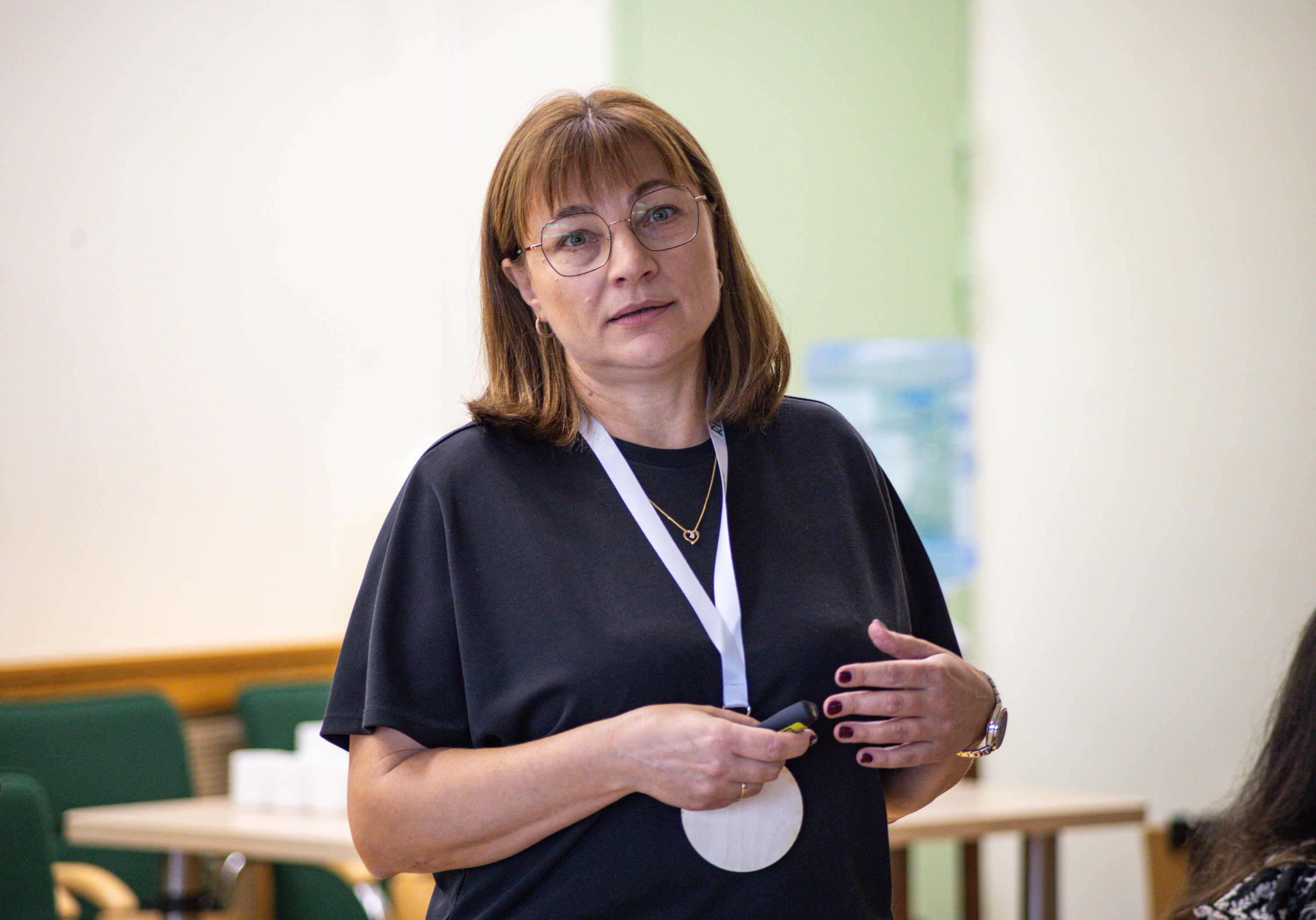
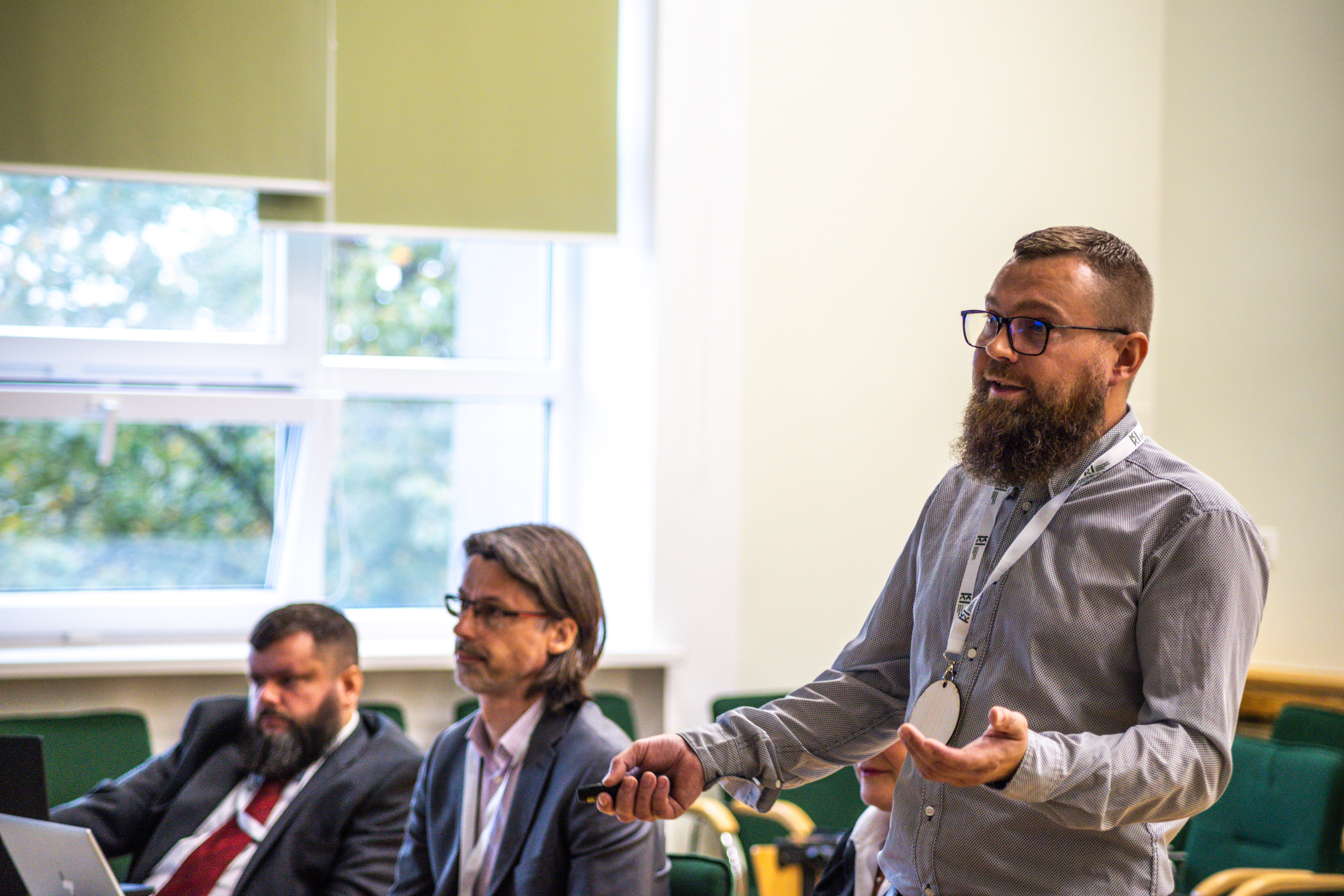
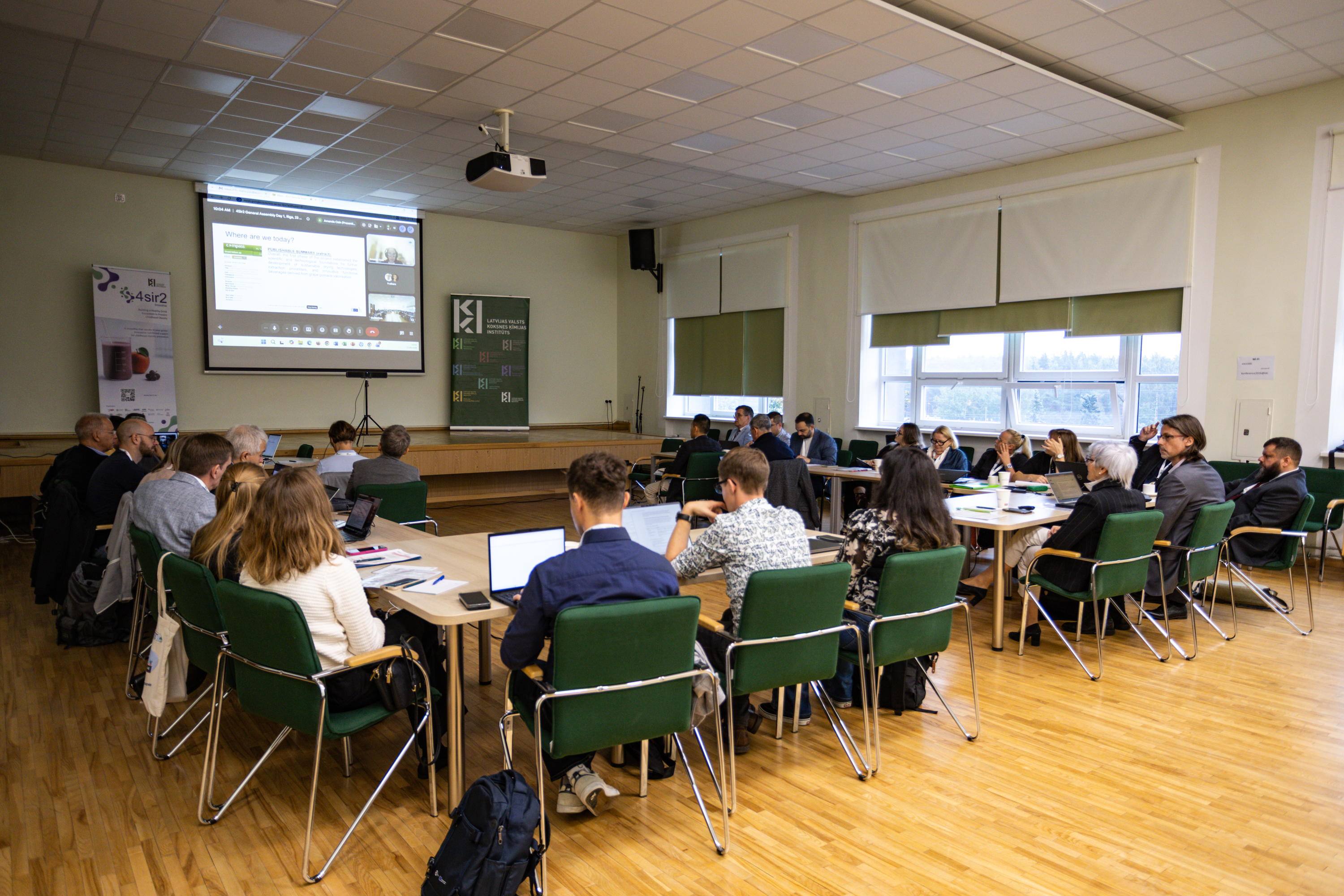
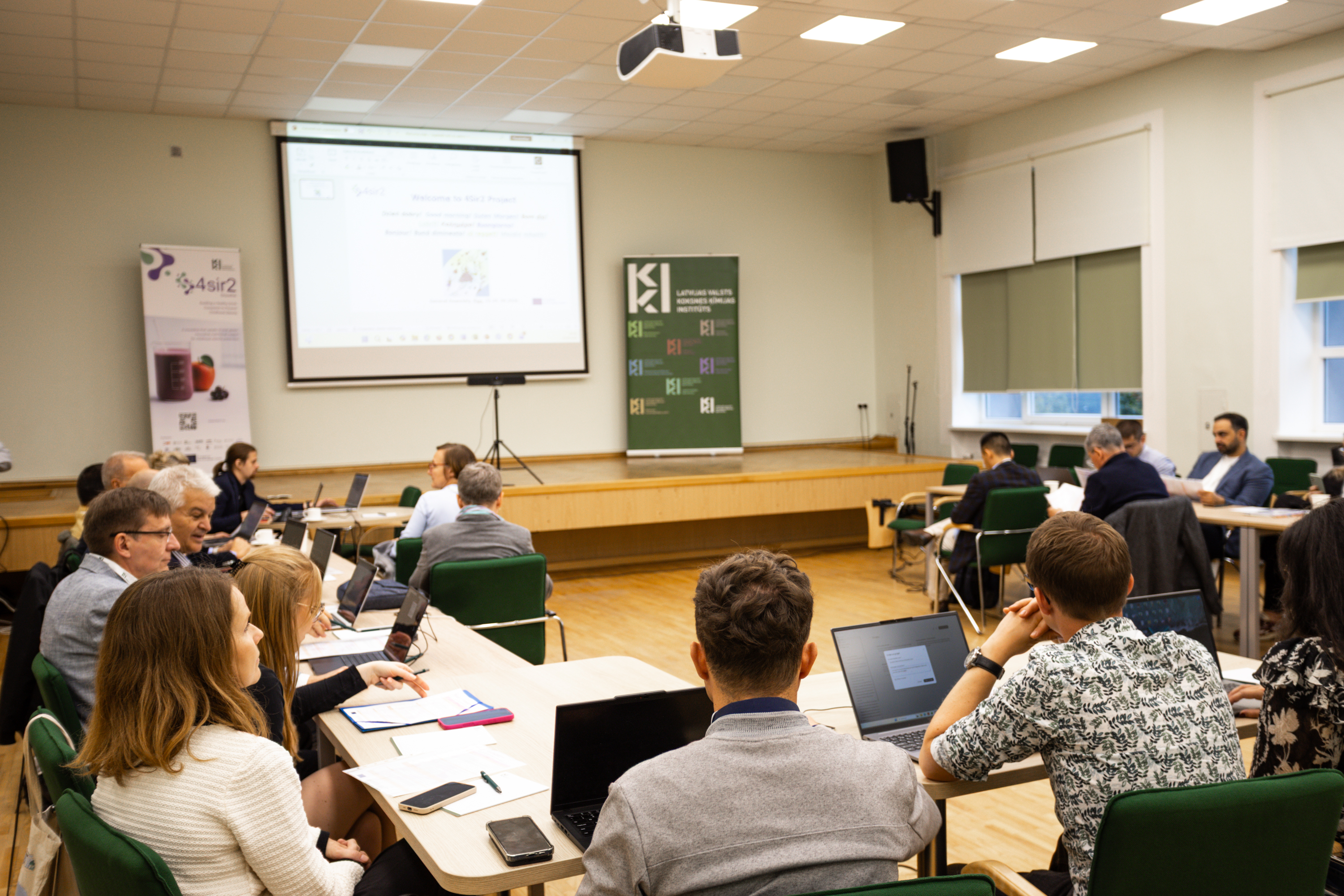
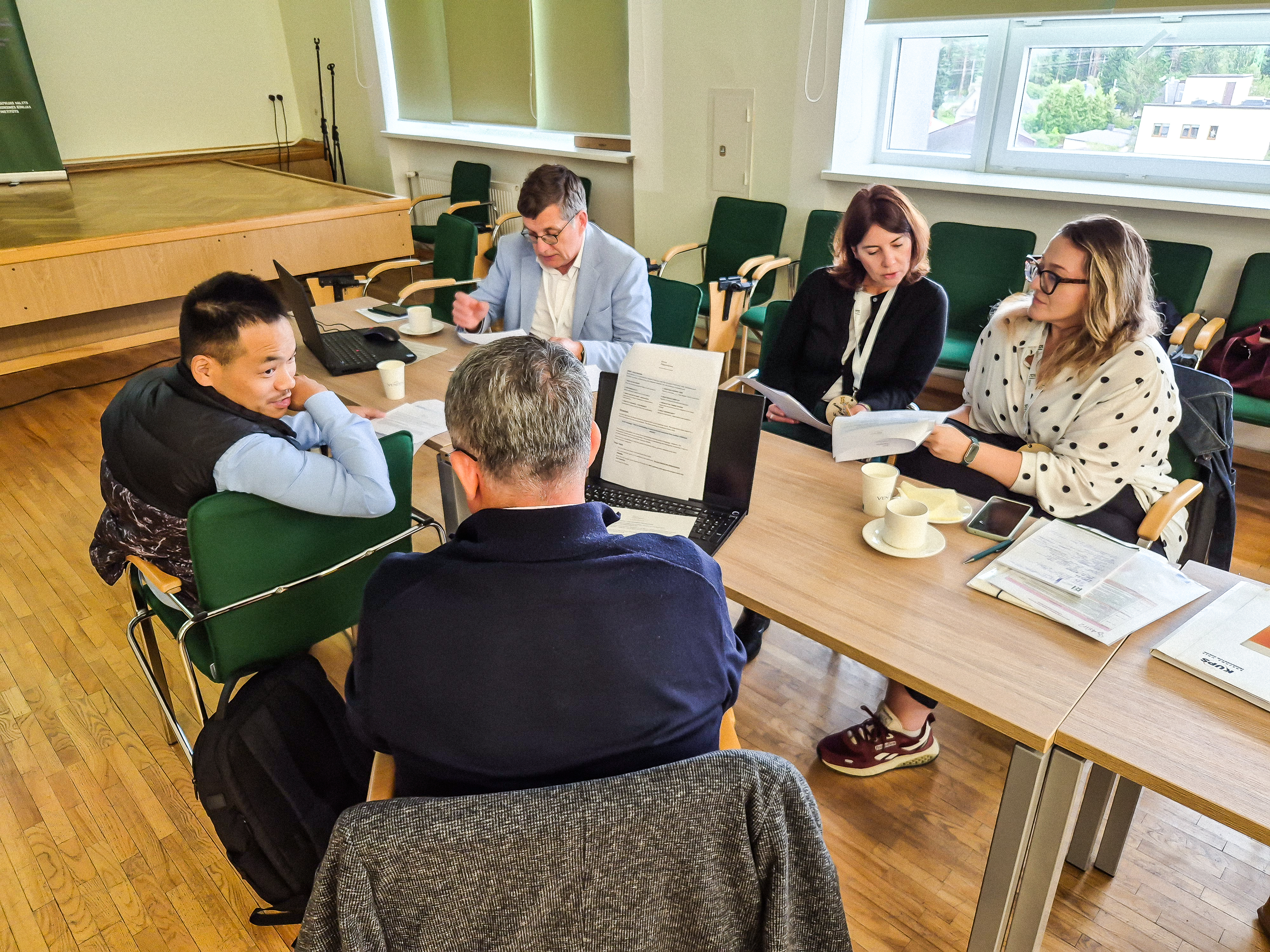
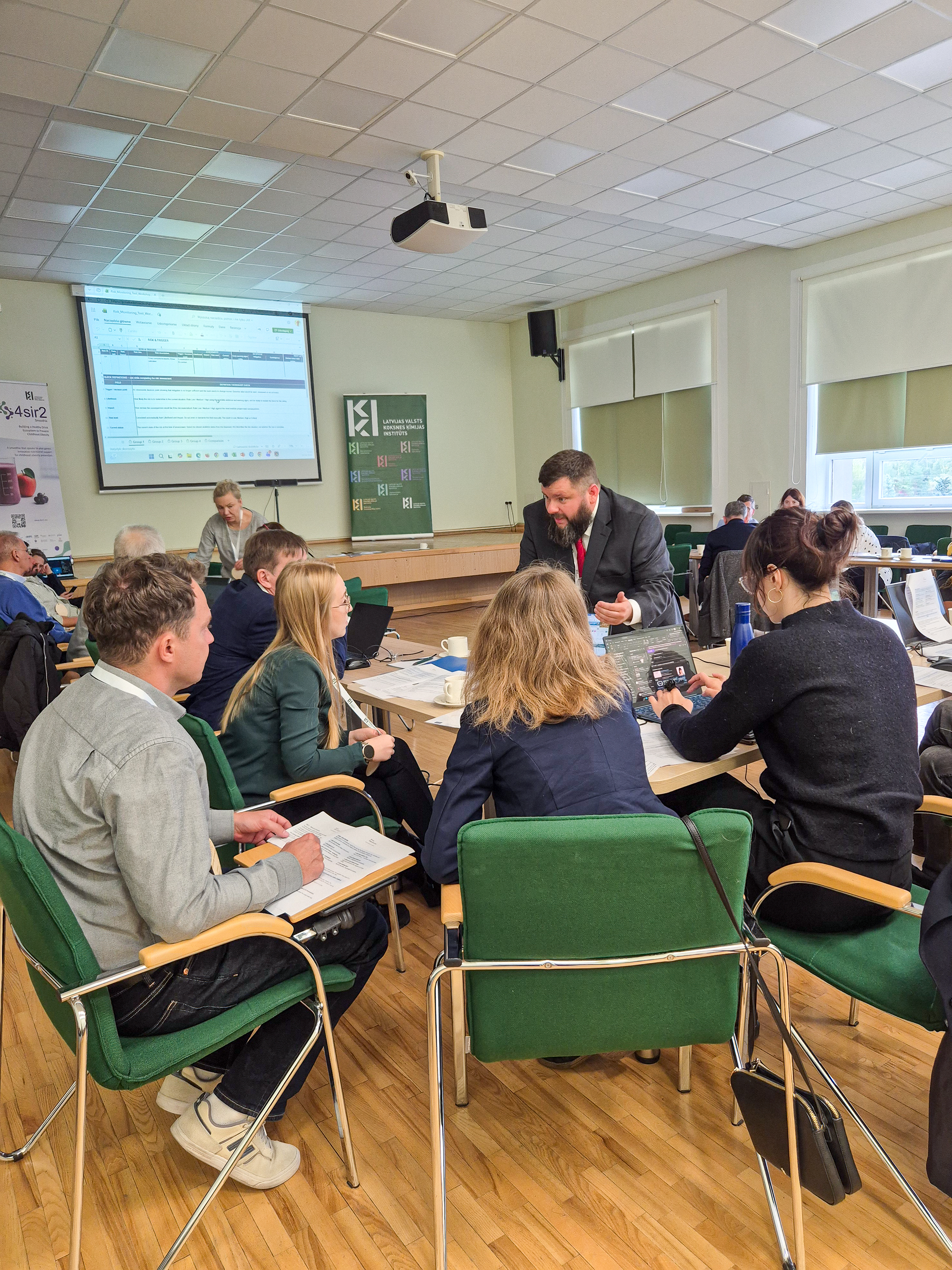
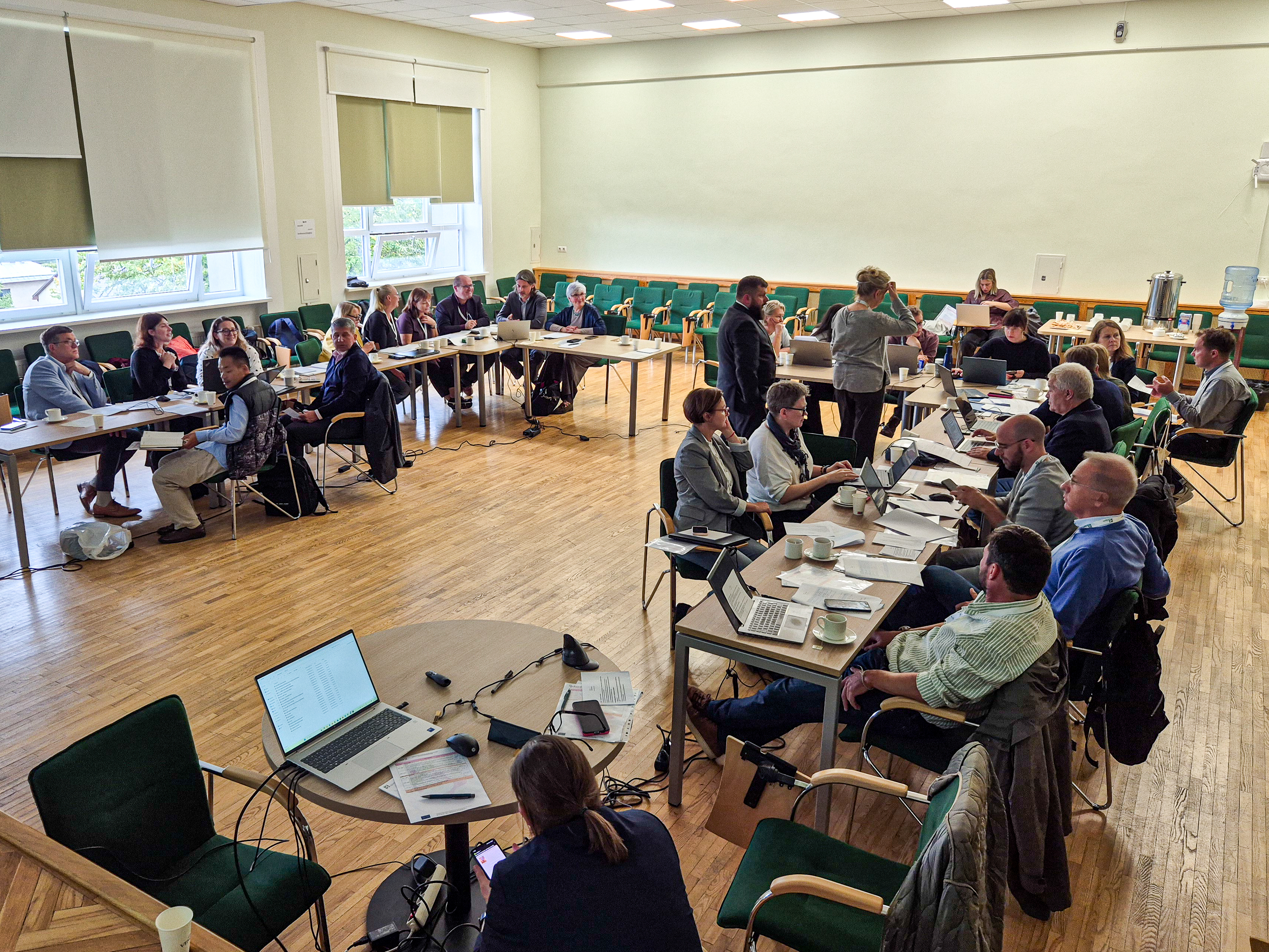
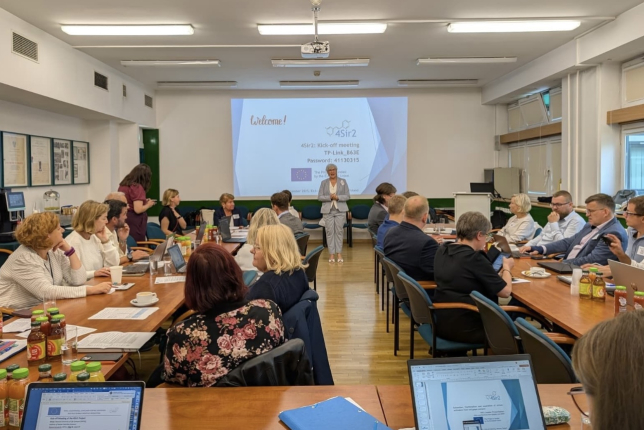
On 23 and 24 September, the Latvian State Institute of Wood Chemistry (LSIWC) in Riga hosted the General Assembly of the Horizon Europe project 4Sir2, “Building a Healthy Drink Ecosystem to Prevent Childhood Obesity”. The meeting provided an opportunity for project partners to review the work completed during the first year, discuss progress and challenges, and outline priorities for the next implementation period.
Exploring Healthier Drinks
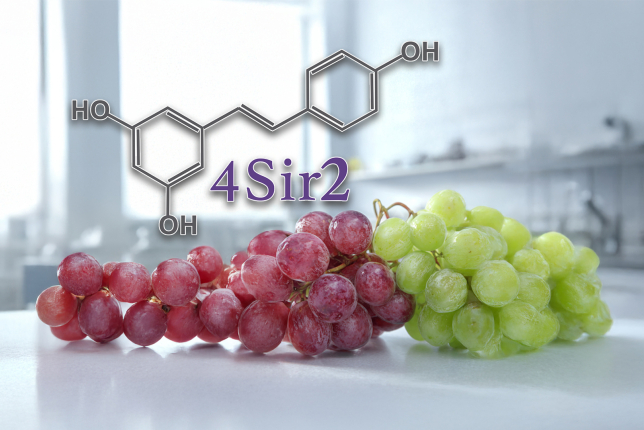
The aim of 4Sir2 is to build a healthier drink ecosystem to help prevent childhood obesity. The project explores the use of grape-processing by-products and the valuable bioactive compounds they contain to develop innovative solutions for the production of healthier drinks.
The project brings together knowledge and expertise in raw materials and their processing, bioactive compounds, food production, health, regulation, sustainability and market needs. The involvement of different project stakeholders is also important for connecting research results with practical needs across the value chain.
First Year – Progress and Next Steps
On the first day of the General Assembly, partners presented scientific and technical progress across the project’s different work packages, sharing not only achievements but also unexpected observations, challenges and lessons learned during the first year of the project.
The meeting also addressed the launch of the next stage of work, regulatory requirements for the 4Sir2 drink, partner capabilities and interdependencies, as well as preparations for the 2027 grape sampling campaign. Particular attention was given to what will be needed over the coming year to ensure that the prototypes and processes developed within the project meet industrial and market requirements.
Partners also received input from the project’s Advisory Board and Ethics Committee on the project’s strategic relevance, scientific direction, ethical considerations and the potential future use of project results. The second day focused on communication, dissemination and exploitation, stakeholder engagement, collaboration with other projects, risk and intellectual property management, as well as planning for the next project period.
At the end of the General Assembly, partners reviewed the decisions made, agreed on responsibilities and timelines, and defined the priorities for the next implementation period of the project.
What is LSIWC’s Role in the 4Sir2 Project?
LSIWC is involved in the research of grape-processing by-products and the development of solutions for their utilisation. The Institute’s researchers are working on technological solutions that could enable the efficient processing of these by-products while preserving the valuable compounds they contain.
The Latvian project coordinator is Uģis Cābulis, Scientific Director of LSIWC. The Institute’s leading researcher Māris Lauberts and researcher Matīss Pāls are working within Work Package 2 on optimising drying technologies for grape-processing by-products and monitoring changes in their chemical composition under different drying processes. Meanwhile, researcher Jevgēnija Ponomarenko will carry out a life-cycle assessment of the products developed during the second stage of the project.
The Institute’s research infrastructure and experience in process development also play an important role in the project. The lyophilisation, or freeze-drying, equipment available at LSIWC enables the controlled processing of grape-processing residues and allows researchers to study how different process parameters affect the preservation of valuable compounds. The pilot-scale freeze-drying equipment at the Pilot-Scale Hangar makes it possible to scale up the drying process from laboratory to industrial scale and assess its energy efficiency from an industrial perspective.
This work builds on LSIWC’s expertise in biorefining, green chemistry and biotechnology, where plant biomass and its processing by-products are studied as raw materials for the development of new products and solutions.
International Collaboration
The 4Sir2 consortium consists of 16 partners from 9 countries – Poland, Latvia, Portugal, Germany, Belgium, Italy, Greece, the United Kingdom and Moldova. It brings together universities, research institutes, agricultural and grape-growing organisations, food companies and non-governmental organisations, providing an interdisciplinary approach to achieving the project’s objectives.
“4Sir2 is a highly multidisciplinary project that brings together food producers, chemists, medical professionals, experts in food regulation, ecology and economics, as well as specialists in project management and knowledge dissemination. This collaboration between different areas of expertise allows us to approach the project’s objectives from multiple perspectives and jointly seek practical solutions for the development of healthier drinks,” says Uģis Cābulis, Scientific Director of LSIWC and project coordinator.
Such interdisciplinary collaboration is essential for connecting the project’s results with different needs – from scientific and technological solutions to food production, regulation, market requirements and public health.