TOMPosite
Project description
The main objective of TOMPosite project is to develop a thermoset two-component polymer resin with different crosslinking densities, suitable for developing composites with natural origin fibers, and reaching high (up to 90%) renewable material content and competitive characteristics. Pulp production side stream tall oil fatty acids (TOFA) and Meldrum’s acid synthesized from renewables will be utilized to synthesize the main components for polymer resin. The Michael nucleophilic addition will be exploited as a curing reaction for polymer matrix development. Two types of Michael donors will be synthesized by: converting TOFA-based polyols into acetoacetate by transesterification; cleavage of a Meldrum`s acid derivative with TOFA-based polyol. Two types of Michael acceptors will be obtained: by acrylation of TOFA-based polyols with acryloyl chloride; from epoxidized TOFA and TOFA-based fatty alcohol ester by oxirane ring opening with acrylic acid. Composites will be developed with reinforcement of natural origin short fibers and fabric. A schematic plan of the project is given in Figure 1.
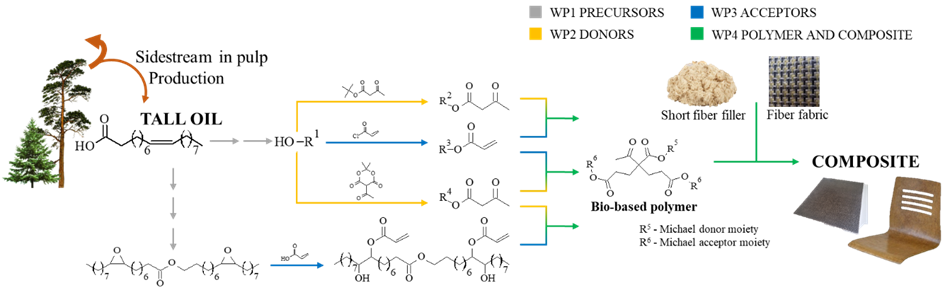
Figure 1. Scheme of syntheses and work packages planned in the project
Project coordinator: Latvian State Institute of Wood Chemistry
Project partner: Riga Technical University
Implementation of the project
30.06.2026.
Progress Report for the Period 01.01.2026 – 30.06.2026 (Months 13–18)
Work continued in WP1, WP2, WP3, WP5, and WP6 activities. WP1 has been completed. Deliverables D1.1, D1.2, and D1.3 have been prepared, and MS1 has been achieved (synthesized precursors for the synthesis of Michael donor and acceptor monomers), as well as MS5 (achievement of the interim indicators defined in the project results table).
WP1 – Synthesis of precursors for Michael components
Several kilograms of tall oil polyols with different functionalities were synthesized. For the epoxidation of tall oil to obtain polyols, ion-exchange resin–catalyzed epoxidation was selected. This method has lower costs compared to enzymatic epoxidation, while the quality of the obtained polyols was comparable. The different chemical structures of the polyols enable further development of Michael donors and acceptors with varying functionalities. This is necessary for the development of polymer formulations with different crosslinking densities and will allow investigation of the influence of chemical structure on the properties of the resulting polymer resins (T1.1).
Acetyl Meldrum’s acid was obtained in the required amount. The synthesis process is suitable for production at the hundred-gram scale (T1.2).
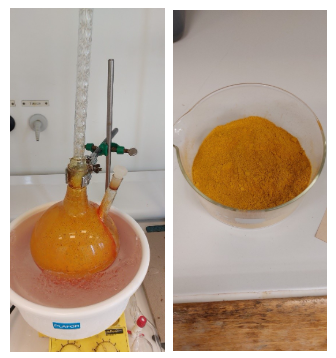
Synthesis of acetyl Meldrum’s acid and the product.
The objective of T1.3 was to increase the functionality of tall oil, as approximately 50% of tall oil consists of oleic acid, which contains only one double bond and therefore cannot be used for the synthesis of multifunctional Michael components via ring-opening of epoxidized oleic acid with acrylic acid. For polymer formation, the molecule must contain at least two double bonds that can be epoxidized. This was achieved by producing TOFA and tall oil alcohol esters. A five-step process was developed for their production. The first four steps have been optimized and can be performed at the several-hundred-gram scale. The epoxidation step was developed to ensure full conversion of double bonds without the formation of epoxy degradation side products; this reaction has been optimized for a multi-gram scale.
WP2 – Synthesis of Michael donors
Michael donor synthesis using tert-butyl acetoacetate (T2.1) was performed for all polyols obtained in WP1, as well as reactions of polyols with Meldrum’s acid derivatives for the preparation of Michael donors (T2.2). Work on reaction optimization and comparison of obtained products is ongoing.
WP3 – Synthesis of Michael acceptors
Synthesis of Michael acceptors from tall oil polyols using acryloyl chloride has been initiated. Suitable synthesis methods, conditions, and solvents are being investigated (T3.1, T3.2).
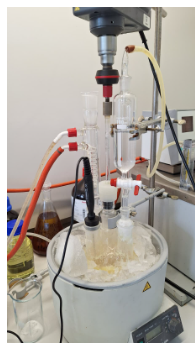
Synthesis of Michael acceptors
WP5 – Project management
Work across all required project activities is being coordinated through collaboration between activity leaders. Necessary materials for project implementation have been ensured.
WP6 – Results exploitation and dissemination
During this reporting period, two international scientific conferences were attended. Laura Vasiļevska presented the results of the TOMPosite project at BTechPro, delivering an oral presentation titled “Advanced Composites from Bio-Based Polymer Resins and Sustainable Short-Fibers.”
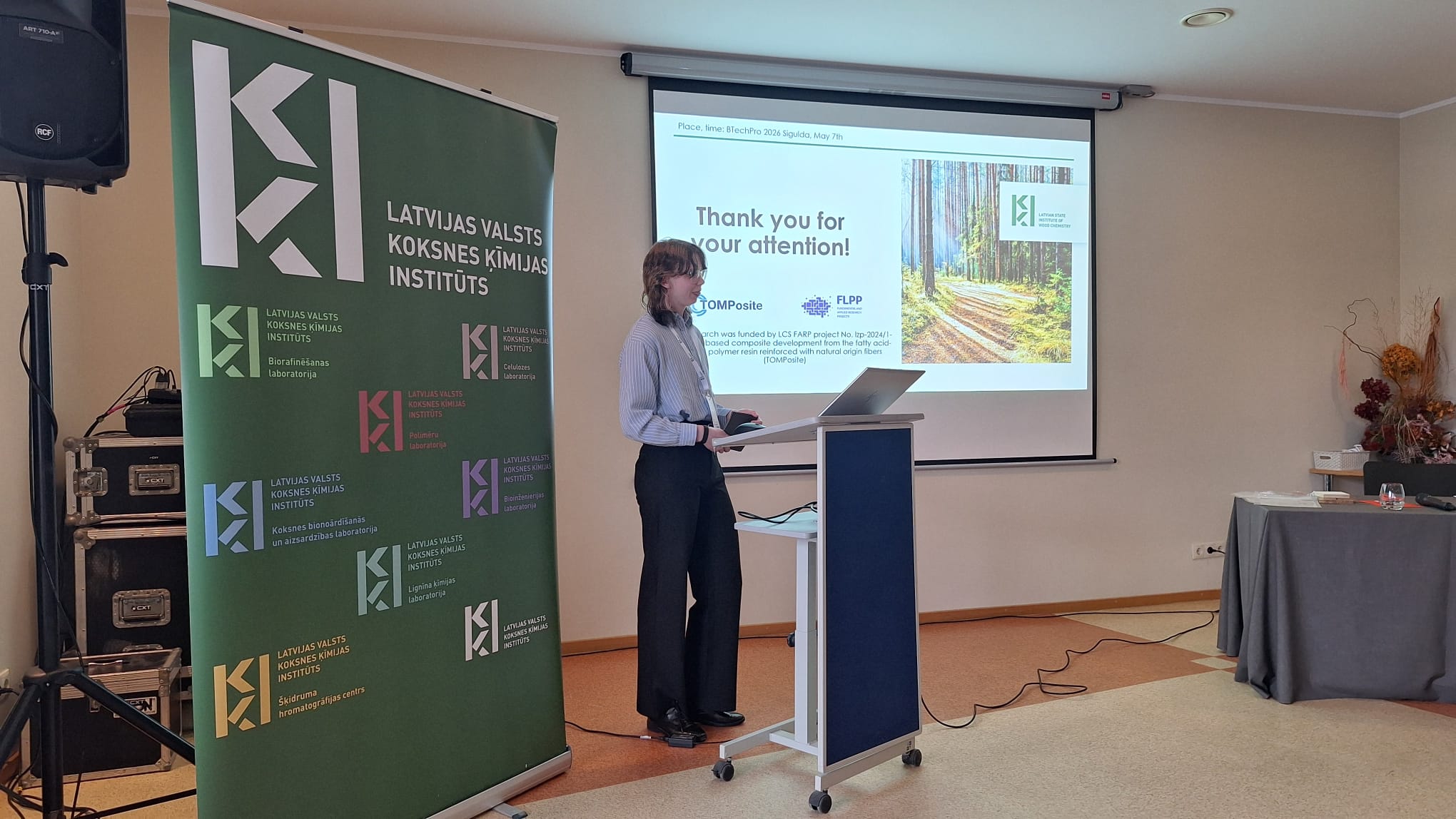
Laura Vasilevska at BTechPro2026
Aiga Ivdre participated in the GCNPM (12th Conference on Green Chemistry & Nanotechnologies in Polymeric Materials) with a poster presentation titled “Effect of Short-Fiber Fillers on Polymer Resins Synthesized via Michael 1,4-Addition.”
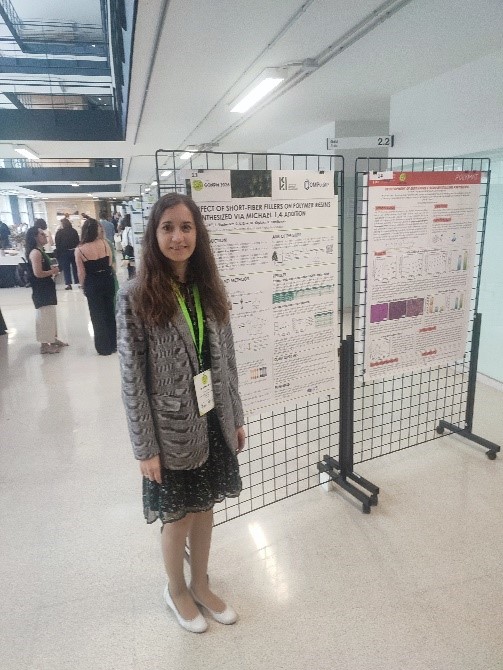
PhD Aiga Ivdre at GCNPM2026
Participation in Shadow Day 2026 was also carried out. Shadow Day in Latvia is an annual career education event where students spend a day with a professional, observing their daily work and learning about a specific profession or industry.
The project idea and current results were presented at the project mid-term seminar.
31.12.2025.
Project Progress Report for the Period 01.07.2025 – 31.12.2025 (7–12M)
Work has continued within the activities of WP1, WP2, WP5, and WP6. In accordance with the project plan, the implementation of WP3 has been initiated.
WP1 – Synthesis of Precursors for Michael Components
In addition to enzymatic epoxidation of tall oil, epoxidation using ion-exchange resins was also carried out. Oxirane rings were opened with butanediol and glycerol. The most suitable synthesis conditions were determined, and the obtained products were characterized (T1.1). The experimental work with Meldrum’s acid has been initiated (T1.2). Work is ongoing on the esterification of tall oil fatty acids with alcohols obtained via reduction (T1.3). For product characterization, epoxy value, hydroxyl value, acid value, viscosity, moisture content, and chemical structure were determined.
WP2 – Synthesis of Michael Donors
Michael donor synthesis using tert-butyl acetoacetate was performed for all polyols obtained in WP1 (T2.1), and the most suitable synthesis conditions were selected.
WP3 – Development of Michael Acceptors
The synthesis of Michael acceptors from tall oil polyols using acryloyl chloride has been initiated. Suitable synthesis methods, conditions, and solvents are being investigated (T3.1).
WP5 – Project Management
Work across all required project activities is being organized through coordination among the activity leaders. The necessary materials for project implementation have been ensured. A new employee, Laura Vasiļevska, has been hired and trained within the project.
WP6 – Exploitation and Dissemination
Laura Vasiļevska represented the TOMPosite project at the Researchers’ Night event. A corresponding post was published on the project’s Facebook page.
International scientific conferences to be attended in the coming year have been selected.
30.06.2025.
Project Progress Report for the Period 01.01.2025 – 30.06.2025 (0–6M)
In accordance with the plan (see Fig. 2), activities for WP1, WP2, WP5, and WP6 have been initiated.
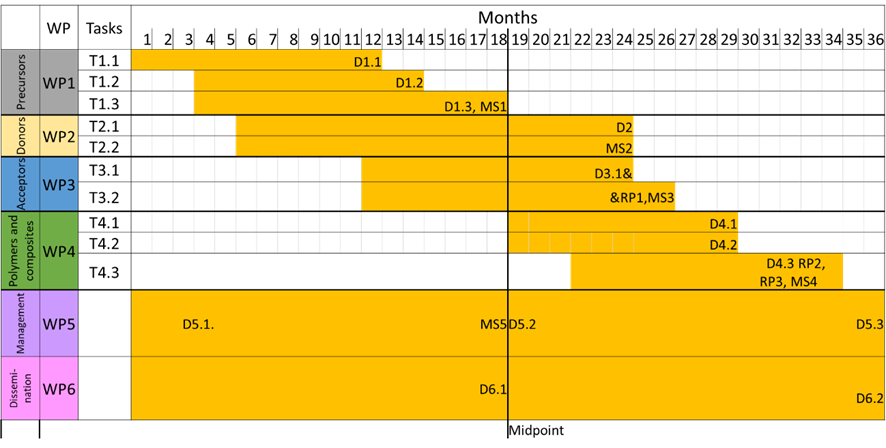
Figure 2. Project Gantt Chart
WP1 – Synthesis of Michael Component Precursors
Enzymatic epoxidation of tall oil and oxirane ring-opening with trimethylolpropane (TMP) has been performed (T1.1, see Fig. 3).
A literature review on Meldrum’s acid is underway (T1.2, T2.2).
A synthesis methodology has been developed for the reduction of tall oil fatty acids using LiAlH₄.
Preliminary experiments have been carried out to esterify the tall oil fatty acids with the alcohol obtained from the reduction (T1.3).
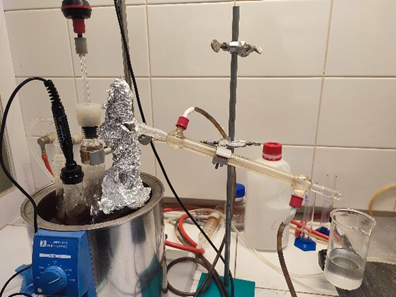
Figure 3. Synthesis of Michael Component Precursors (Alcohols).
WP2 – Synthesis of Michael Donors
Synthesis of Michael donors has been initiated using the raw materials obtained in WP1 activities with tert-butyl acetoacetate (T2.1).
WP5 – Project Management
The Data Management Plan has been created (Deliverable D5.1) and published on the Zenodo platform.
Technical specifications have been prepared and procurement processes initiated.
Several meetings with the project partner have been held (see Fig. 4).
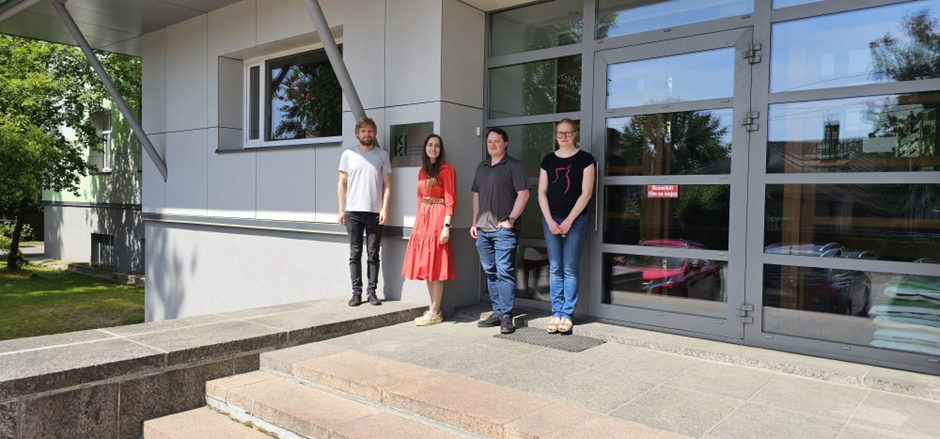
Figure 4. TOMPosite team at the 6M project meeting at the Latvian State Institute of Wood Chemistry. From left: Ralfs Pomilovskis, Aiga Ivdre, Miķelis Kirpļuks, Inese Mieriņa.
WP6 – Exploitation and Dissemination of Results
- A dedicated section for the project has been created on the kki.lv website.
- The TOMPosite logo has been designed.
Several promotional posts were made on social media platforms – Facebook, LinkedIn, and Instagram. - We participated in several project dissemination events – RTU Career Days, and Shadow Day. In addition, TOMPosite staff from the Latvian State Institute of Wood Chemistry visited the Institute of Solid State Physics to discuss potential applications of TOMPosite polymer resins as well as joint project submissions (see Fig. 5).
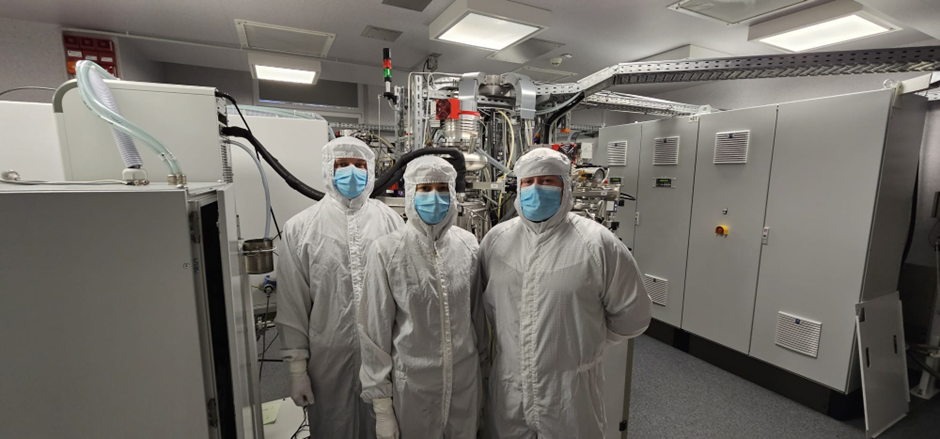
Figure 5. TOMPosite team from the Latvian State Institute of Wood Chemistry visiting the Institute of Solid State Physics. From left: Ralfs Pomilovskis, Aiga Ivdre, Miķelis Kirpļuks.
01.01.2025.
The implementation of the project has started.