LSIWC Stories in the Press. October: From the 20th Century to Today
October has often marked significant discoveries and new beginnings in the history of the Latvian State Institute of Wood Chemistry. From a gasoline-powered planting drill for forest regeneration and the invention of the artificial wood “lignamon” to bioethanol technologies and research on marine algae — these media stories reveal how, across different decades, the Institute’s scientists turned ideas into real-world solutions.
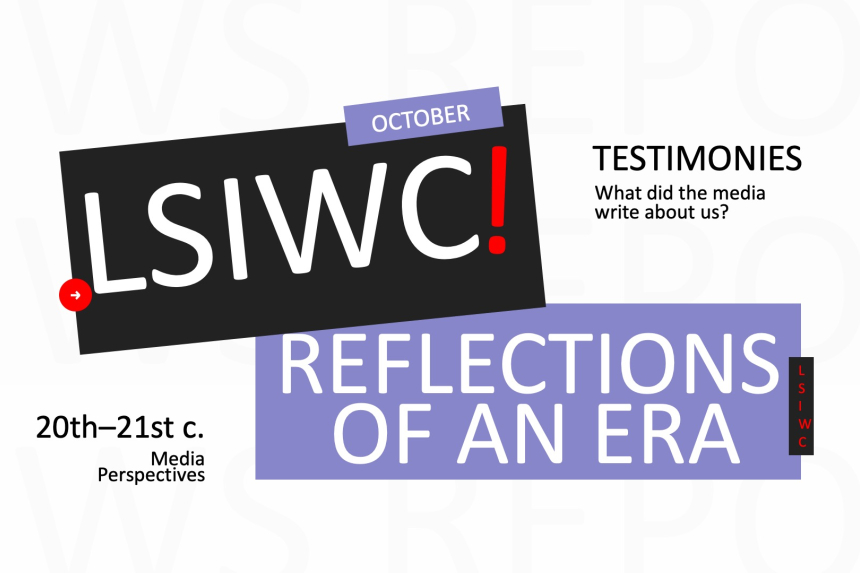
In October 1958, the newspaper Cīņa reported that the Institute of Forestry Problems had developed a gasoline-powered drill for tree planting. The device allowed two workers to bore a planting hole in 5–10 seconds and prepare the soil twice as fast as by hand. The new invention proved especially useful for afforesting dunes, ravines, and fire-damaged forest areas.
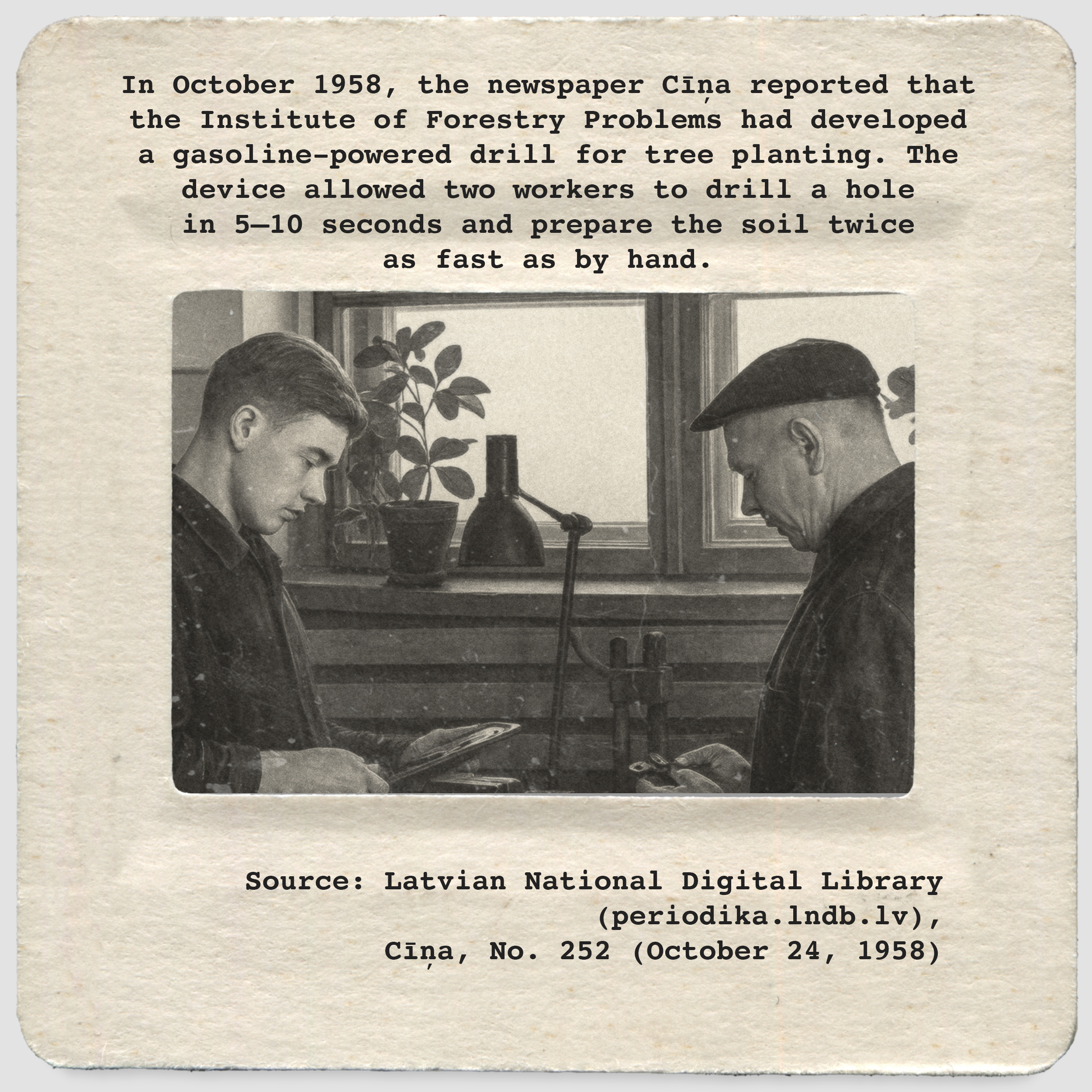
In October 1966, the newspaper Avangards wrote about a unique forestry machine called “Djatel.” The machine could cut, lift, and stack trees, replacing the work of 10–12 workers.
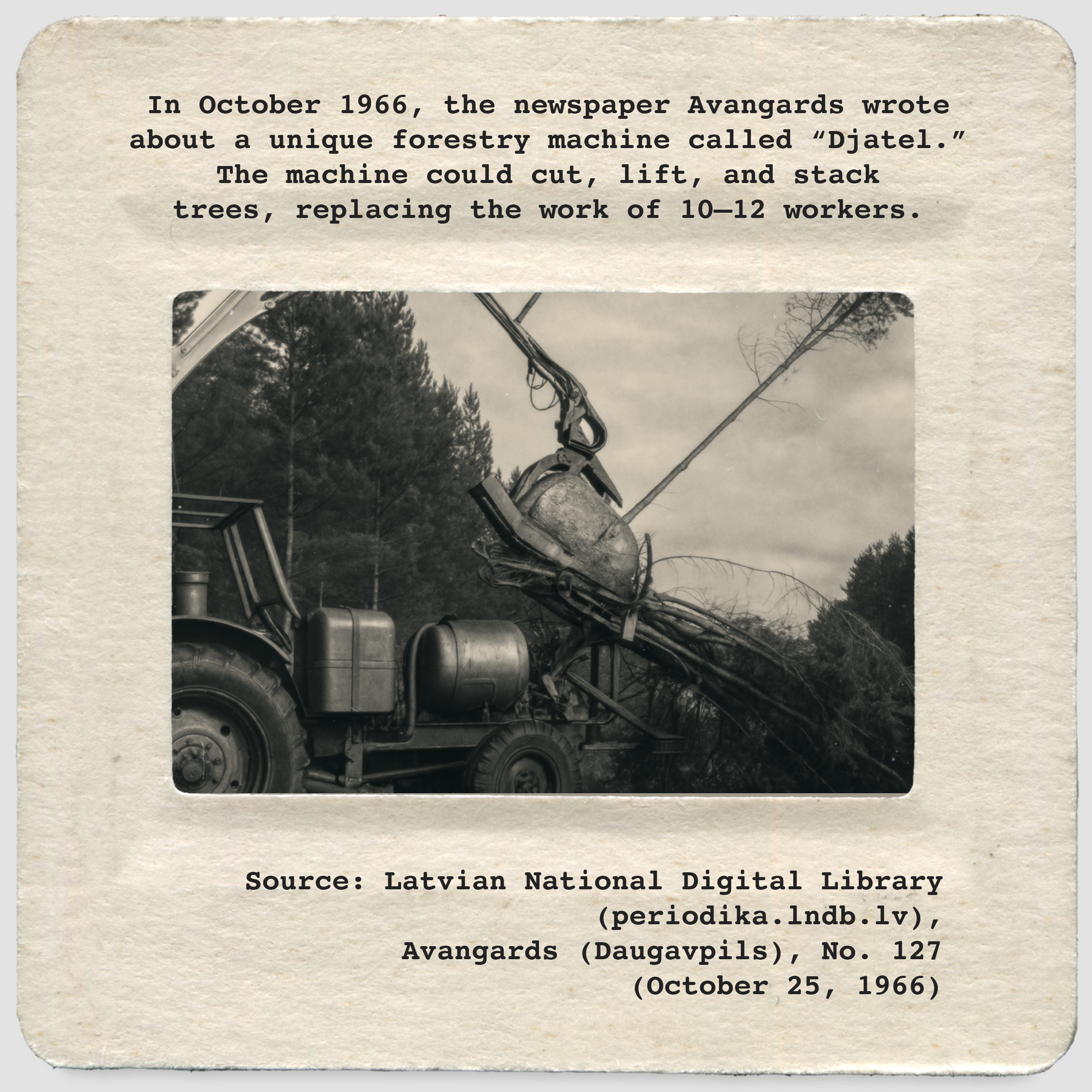
In October 1973, the newspaper reported that specialists at the LSIWC had produced an artificial wood material called lignamon. This material could replace valuable timber species and non-ferrous metals, and it was also used in the textile and machine-building industries. The research by Latvian scientists attracted strong interest from specialists in Czechoslovakia, with whom joint industrial development was initiated.
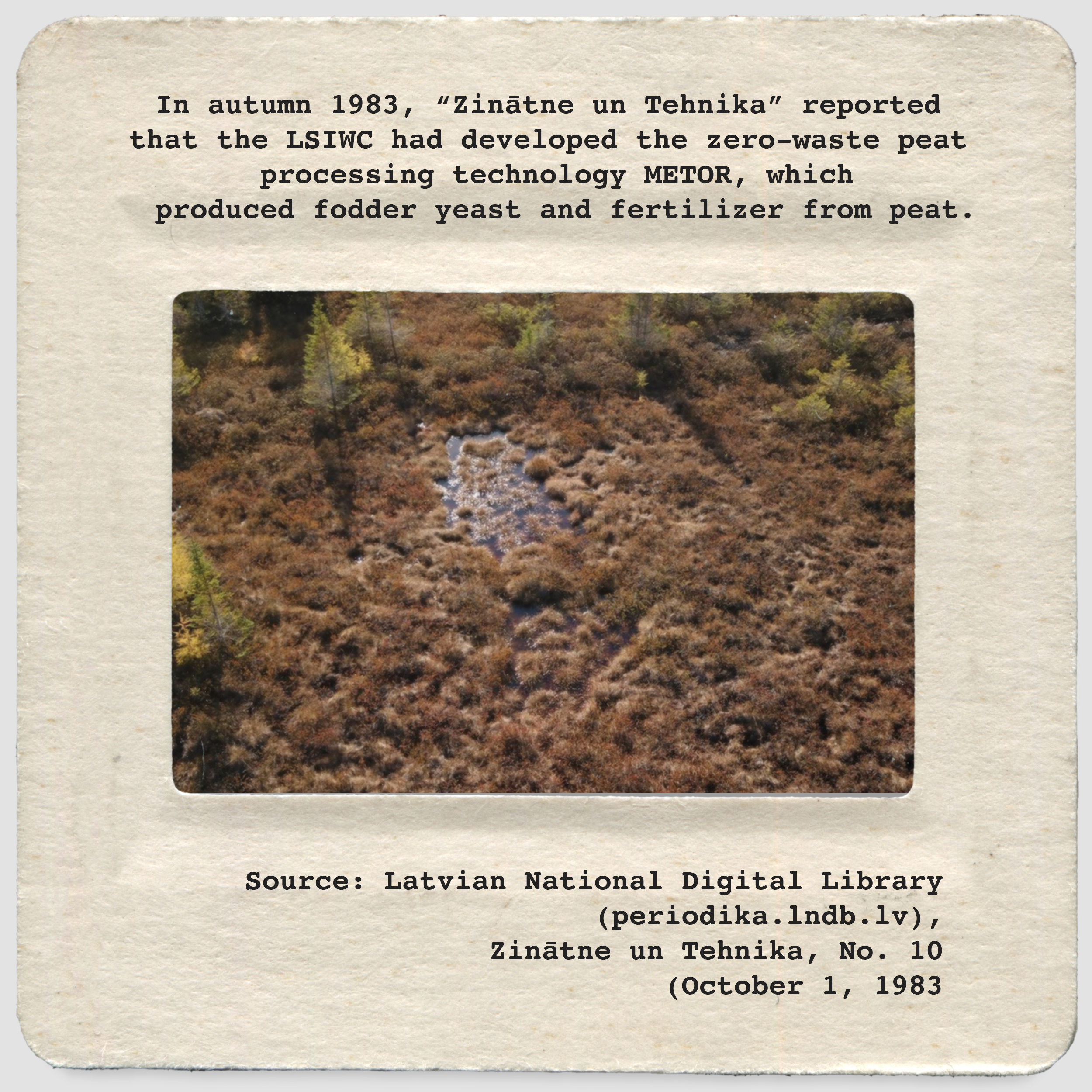
In the autumn of 1983, the magazine Science and Technology reported that the LSIWC had developed a new principle for peat processing and created a zero-waste technology called METOR. It enables the extraction of carbohydrates, amino acids, and humic substances from peat for the production of feed yeast, while the remaining material can be used as fertilizer.
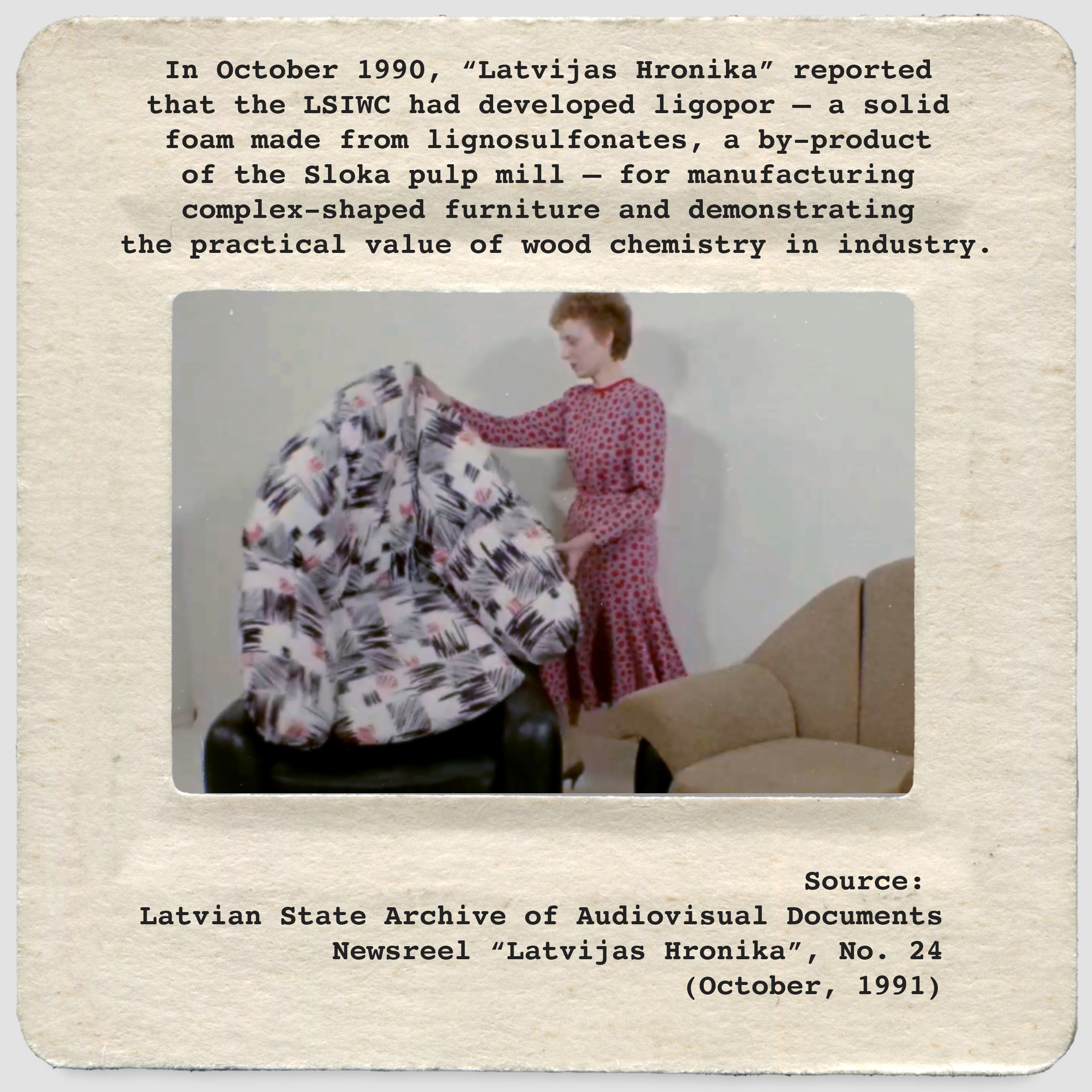
In October 1991, the newsreel Latvijas Hronika reported that the LSIWC had discovered an original solution for producing a rigid foam called ligopor from lignosulfonates — a by-product of the Sloka pulp mill. This material can be used to manufacture furniture of complex shapes, providing a vivid example of the practical applications of wood chemistry.
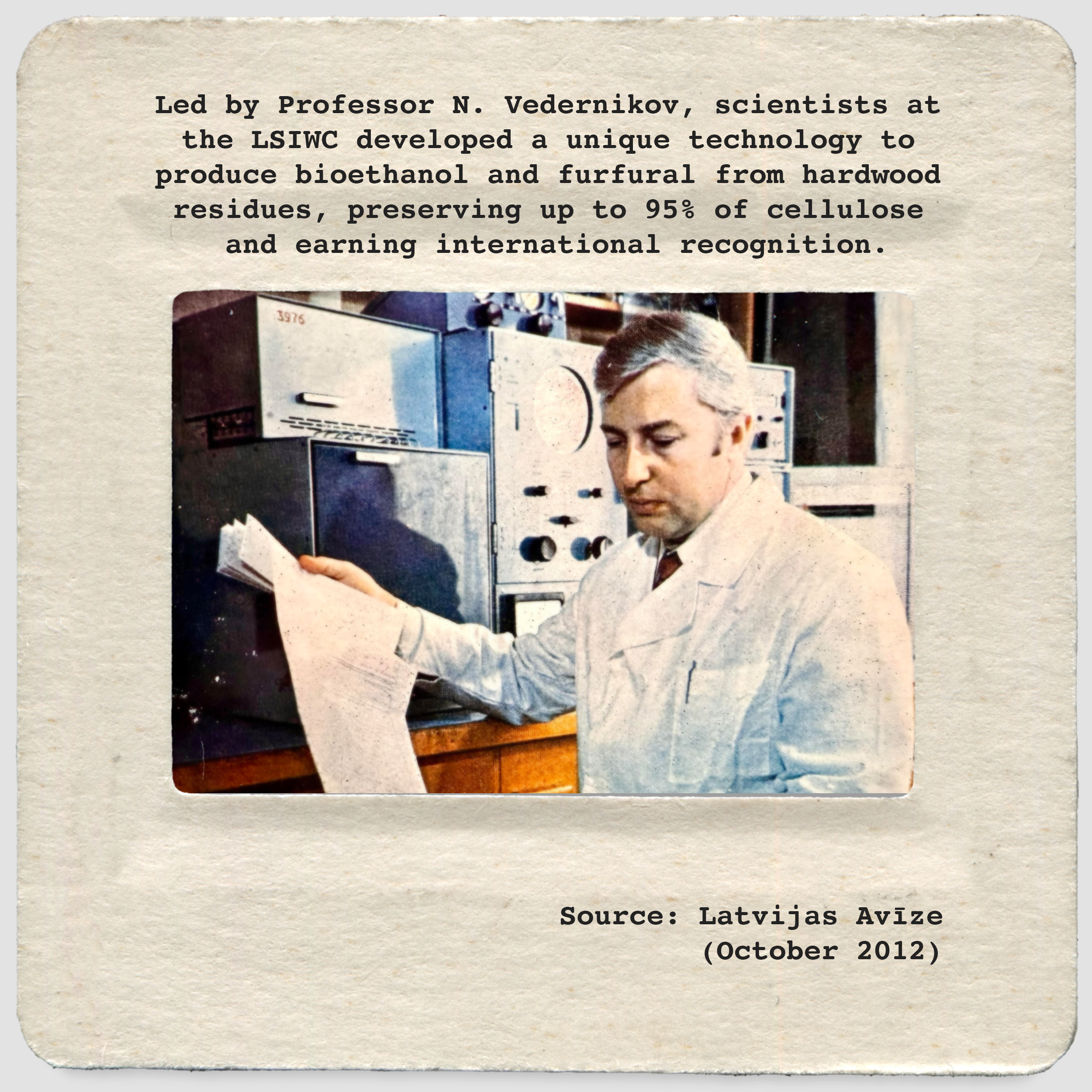
In October 2012, Latvijas Avīze reported that scientists at the LSIWC, under the leadership of Professor Nikolai Vedernikov, had developed a globally unique technology for producing bioethanol and furfural from hardwood residues. This zero-waste method makes it possible to obtain both fuel and chemical industry raw materials simultaneously while preserving up to 95% of the cellulose. The discovery, presented at international conferences, has received significant recognition from foreign scientists.
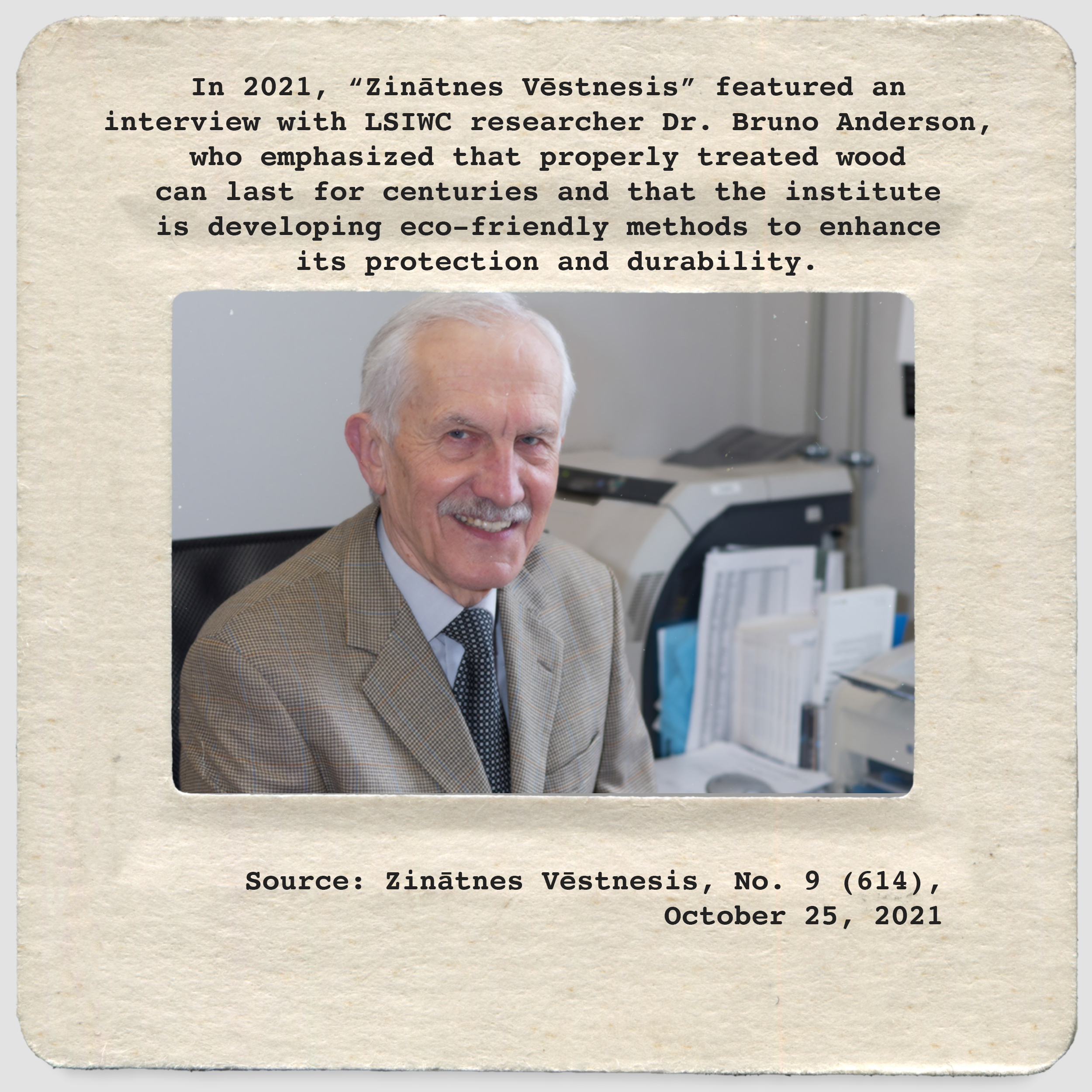
In October 2021, the newspaper Zinātnes Vēstnesis published an interview with LSIWC researcher Dr. Bruno Andersons about the durability of wood as a building material and modern protection methods. He emphasized that properly treated wood can last for centuries, and that the Institute is exploring environmentally friendly solutions for its protection and modification, including improving the aesthetic durability of thermowood.
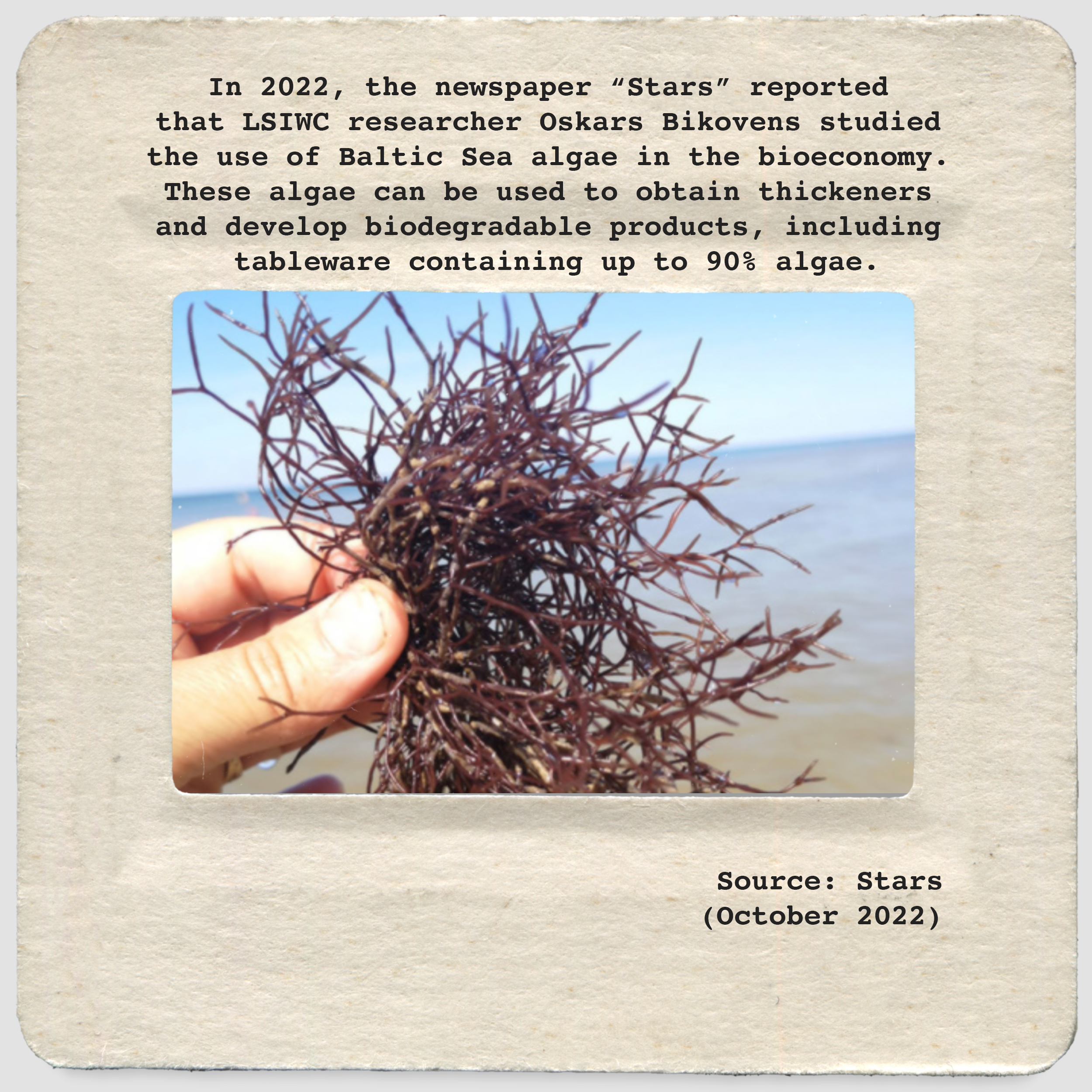
In October 2022, the newspaper Stars wrote about Baltic Sea algae as a renewable resource and the research conducted by Latvian scientists in this field. LSIWC researcher Oskars Bikovens explained that the red alga Furcellaria is used to obtain the valuable thickener furcellaran (E407), which is applied in food and cosmetics. Researchers have experimentally produced disposable containers in which up to 90% of the material consists of algae.