WSE 2026: Wood Science and Engineering Researchers and Industry Representatives Meet in Riga
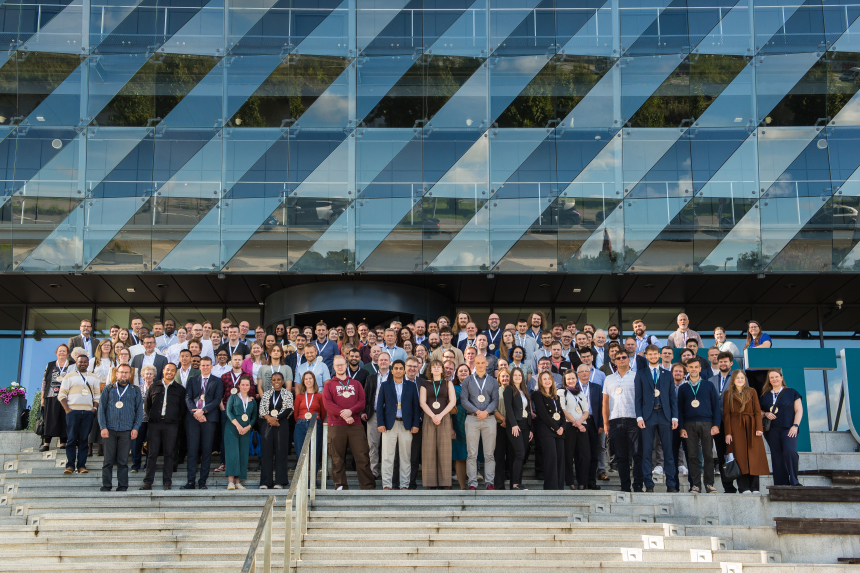
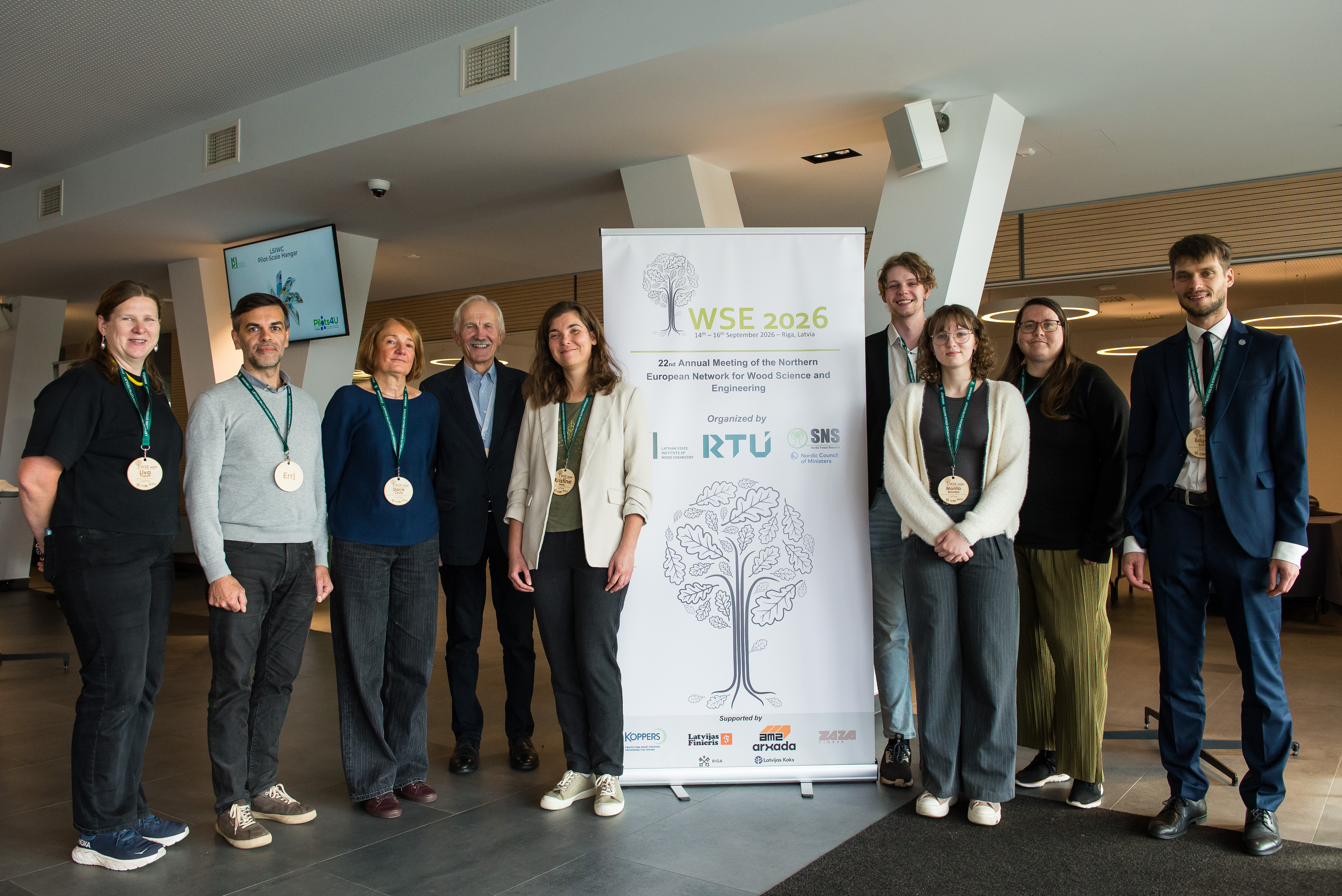
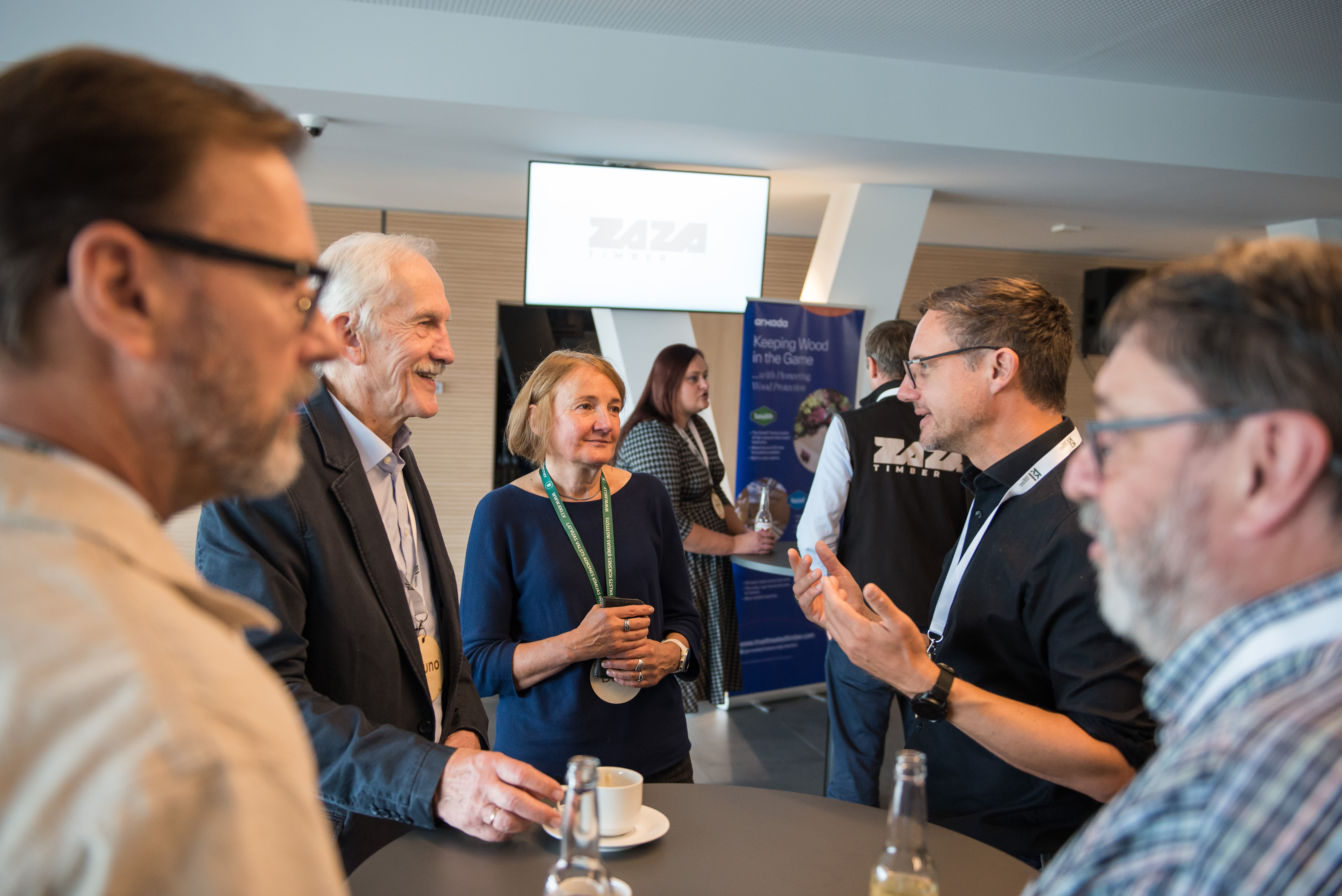
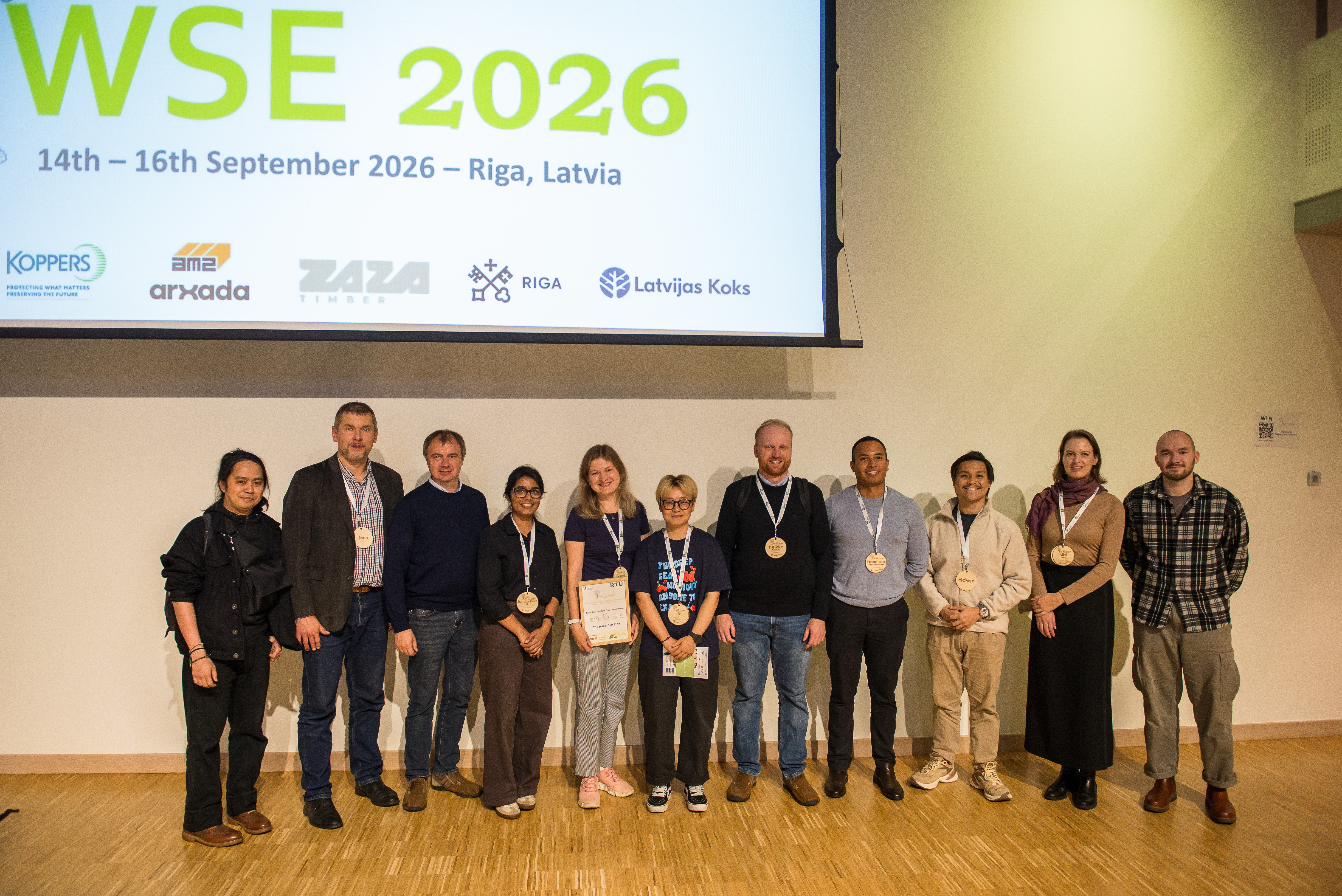
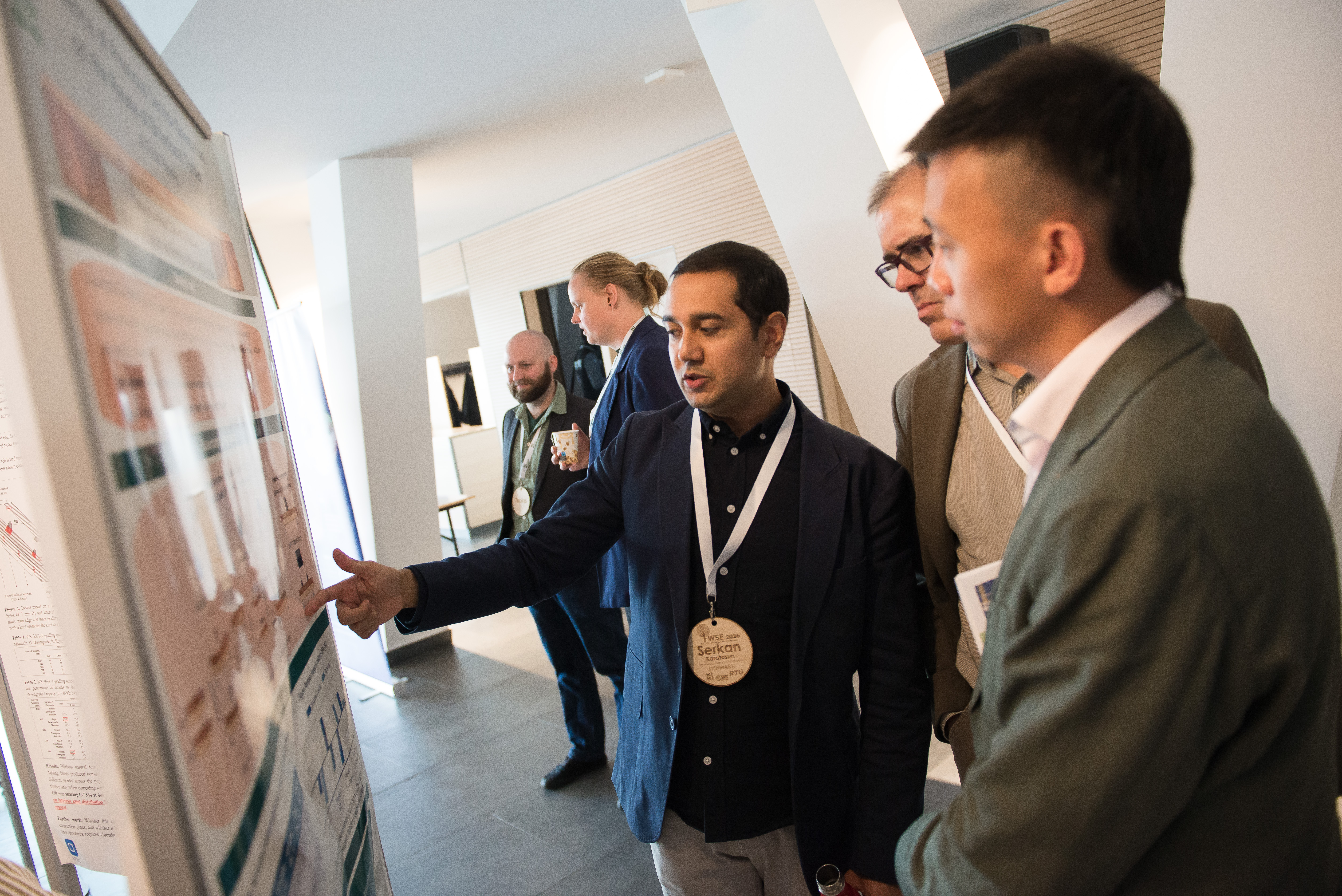
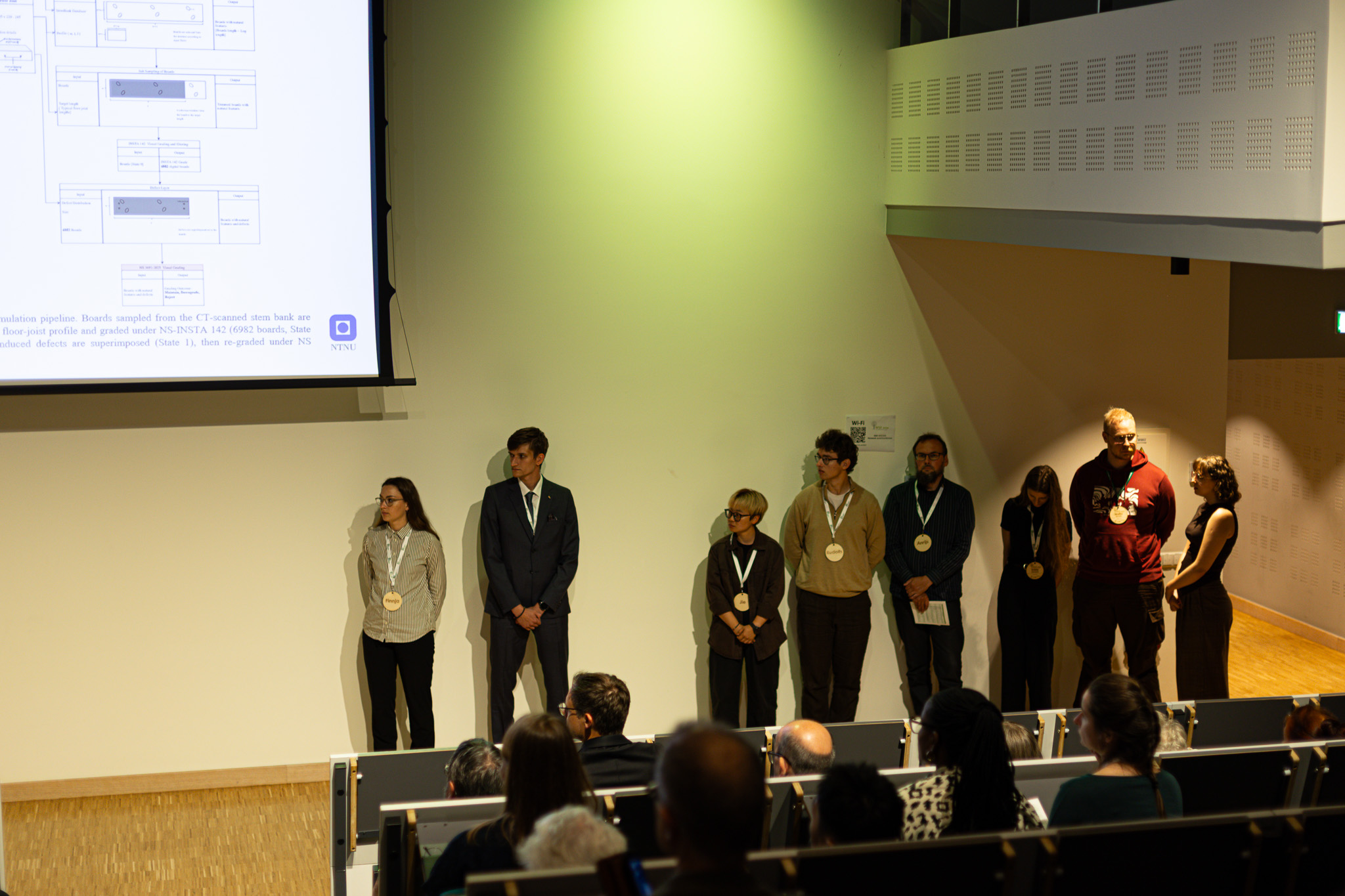
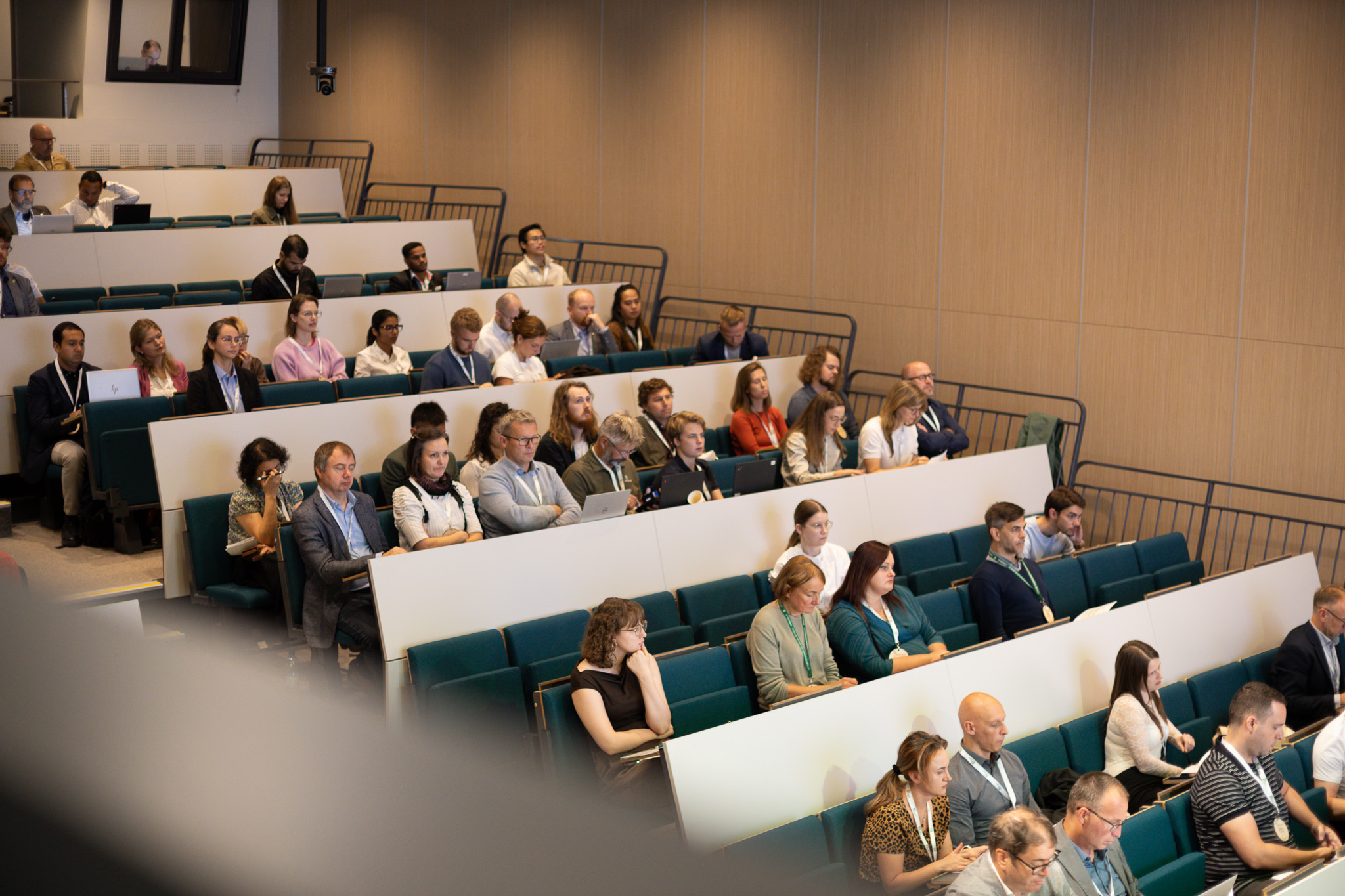
On 15 and 16 September, Riga hosted WSE 2026, the 22nd annual conference of the Wood Science and Engineering (WSE) Network, organised by the Latvian State Institute of Wood Chemistry (LSIWC) in cooperation with Riga Technical University (RTU). The conference brought together 144 participants from 19 countries, who took part in 58 oral presentations and 31 poster presentations, sharing the latest research, experiences and ideas on the future of wood in a changing world.
During the opening session, participants were addressed by Tālis Juhna, Rector of Riga Technical University; Liene Levada, Director of the Department of Higher Education, Science and Innovation at the Ministry of Education and Science of Latvia; and Māris Būmanis, Member of the Board of Latvijas Finieris and Head of its Development and Research Sector. The opening programme also featured Jānis Šveds, Head of Finance Finance at ZAZA Timber, with the presentation “ZAZA TIMBER PRODUCTION – R&D. The Root of Business Value”.
This year’s conference theme was “The life of wood in an ever-changing world”, focusing on how wood growth, utilisation and end-of-life can be adapted to address and manage the challenges posed by climate change.
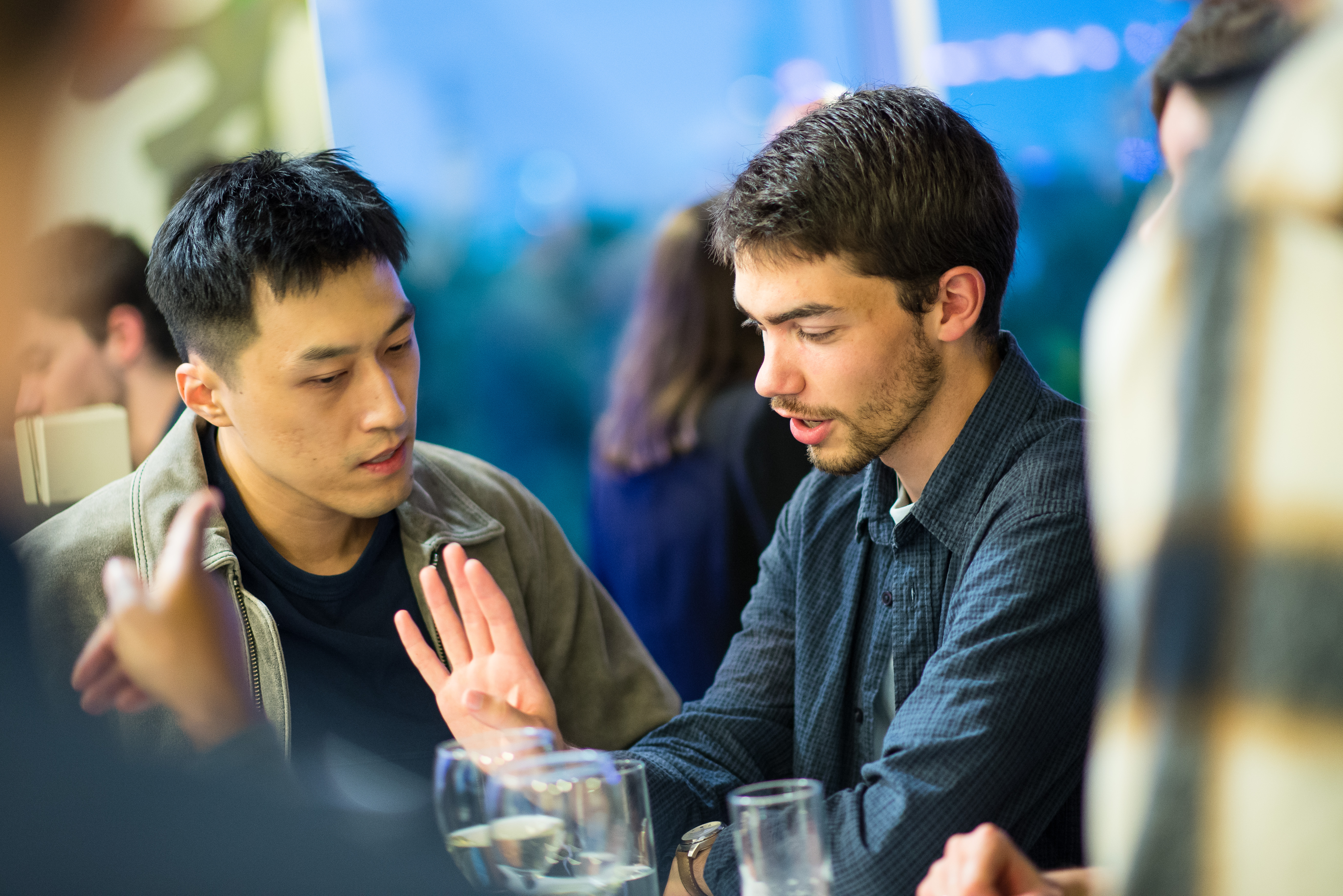
“After these three days, the feeling that remains is that the wood science community is diverse, open to new ideas and ready to collaborate. It is especially valuable to meet colleagues in person, hear about the questions they are currently working on, and discuss what we can achieve together in the future,” says Edgars Kuka, Leading Researcher at LSIWC and WSE 2026 Conference Organiser.
From Wood Growth to the Circular Economy
The conference programme covered a broad range of topics in wood science and engineering, focusing on three key stages – wood growth, utilisation and end-of-life.
In the area of wood growth, discussions addressed the impact of climate change on forests and wood properties, including adapting forest management to risks such as wildfires, storms, floods and pests, as well as opportunities to use new and more resilient tree species.
Wood utilisation topics included the use of wood in construction, moisture and biological durability, protection and coatings, as well as new bio-based materials and products. At the end-of-life stage, researchers addressed reuse, recycling, wood waste management, resource efficiency and carbon storage.
The conference also featured research on new methods and technologies for wood research, including the use of artificial intelligence and deep learning, X-ray computed tomography, hyperspectral analysis and photogrammetry.
Training Seminar for Students and Early-Career Researchers
On 14 September, the day before the conference, a training seminar for students and early-career researchers was held, focusing on wood performance, protection and durability under changing climate conditions.
During the seminar, participants explored biotic and abiotic factors affecting wood degradation, wood protection approaches – including impregnation, modification and coatings – as well as the role of life cycle assessment (LCA) and the importance of durable wood products. The programme also included a visit to LSIWC laboratories, where participants were introduced to research on sustainable products.
In the afternoon, the seminar participants visited the Latvian State Forest Research Institute “Silava”, where they explored forest growth and protection for the production of high-quality wood, the role of forests in carbon sequestration, and practical approaches to high-quality tree selection and cultivation.
The seminar was organised by the Latvian State Institute of Wood Chemistry, the Norwegian Institute of Bioeconomy Research (NIBIO), the Norwegian Institute of Wood Technology (NTI), the Latvian State Forest Research Institute “Silava”, and Latvia University of Life Sciences and Technologies.
LSIWC Researchers Present Their Latest Research
Research by Latvian State Institute of Wood Chemistry researchers was also represented in the WSE 2026 programme, covering several of the institute’s research areas – from wood properties and materials research to biorefining and the development of new bio-based materials.
Oral presentation
- Lotārs Olivers Vasiļjevs, Edgars Kuka, Monta Druviņa, Dace Cīrule – Changes in Wood After Treatment with Copper-Based Preservatives
Poster presentations
- Krista Dimante, Laura Andze – Potential of Chemically Pretreated and Thermomechanically Densified Wood of Different Tree Species in the Development of High-Added Value Biomaterials
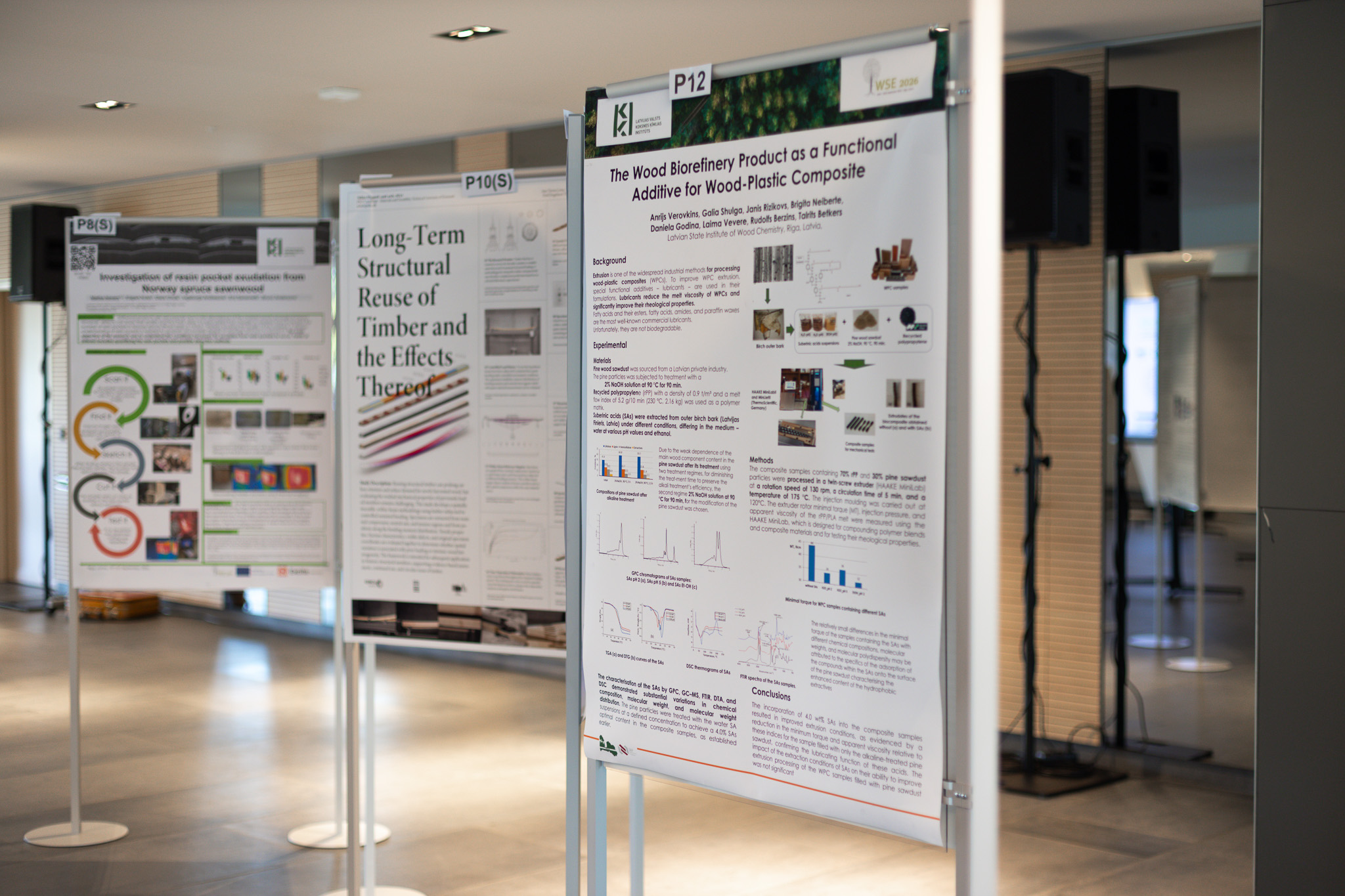
- Matīss Ķevers, Edgars Kuka, Dace Cīrule, Ingeborga Andersone, Errj Sansonetti, Bruno Andersons – Investigation of Resin Pocket Exudation from Norway Spruce Sawnwood
- Monta Druviņa, Lotārs Olivers Vasiļjevs, Edgars Kuka, Gundars Kalniņš, Dace Cīrule – Changes in Pine (Pinus sylvestris L.) Wood Induced by Aging
- Anrijs Verovkins, Galia Shulga, Jānis Rizikovs, Brigita Neiberte, Daniela Godina, Laima Vevere, Rūdolfs Bērziņš, Talrīts Betkers – The Wood Biorefinery Product as a Functional Additive for Wood-Plastic Composites
- Errj Sansonetti, Edgars Kuka, Dace Cīrule, Ingeborga Andersone, Matīss Ķevers, Bruno Andersons – Characterization of Wood Materials and Dowels Properties for Wood-Only Outdoor Products
- Mārtiņš Irbe, Andrejs Pupurs, Edgars Kuka, Dace Cīrule – Mechanical and Vibroacoustic Performance of Birch, Hybrid Aspen and Hybrid CLT Panels
The WSE 2026 organisers would like to thank Latvijas Finieris, AM2/Arxada, Koppers Inc. and ZAZA TIMBER for their support of the conference, as well as the Latvian Wood Association and the Riga Investment and Tourism Agency for their contributions. Special thanks also go to Riga Technical University for its cooperation in organising the conference and to Nordic Forest Research (SNS) for its support of the WSE Network and its annual conferences.
See you at WSE 2027 in Copenhagen, Denmark!
The WSE 2026 conference proceedings, bringing together contributions presented at the conference, are available online here.