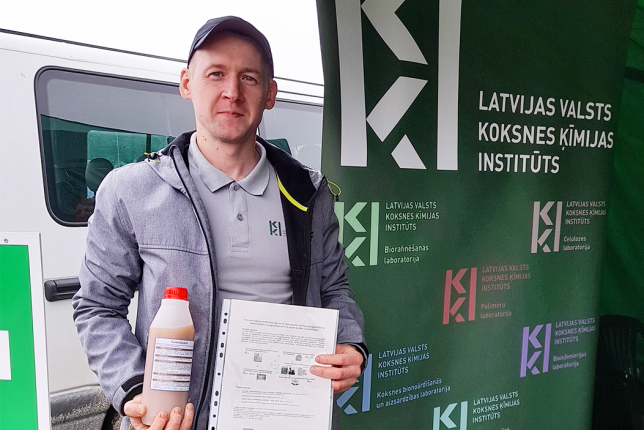
Students of the University of Latvia Explore Applied Mycology at the Latvian State Institute of Wood Chemistry
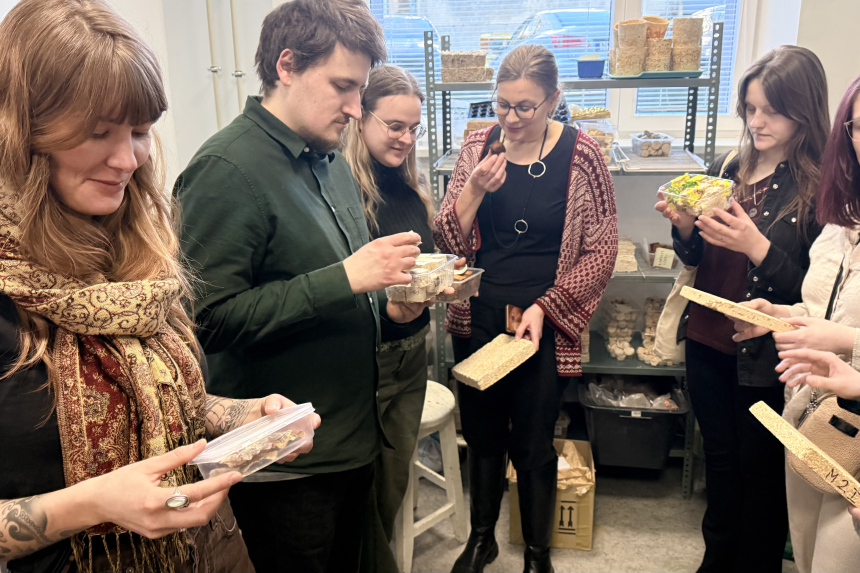
During the spring semester of this year, the Faculty of Medicine and Life Sciences at the University of Latvia offers the Master’s level course “Mycology” within the Biology study programme. The course provides students with knowledge about fungal structure, metabolism, taxonomy, and ecology.
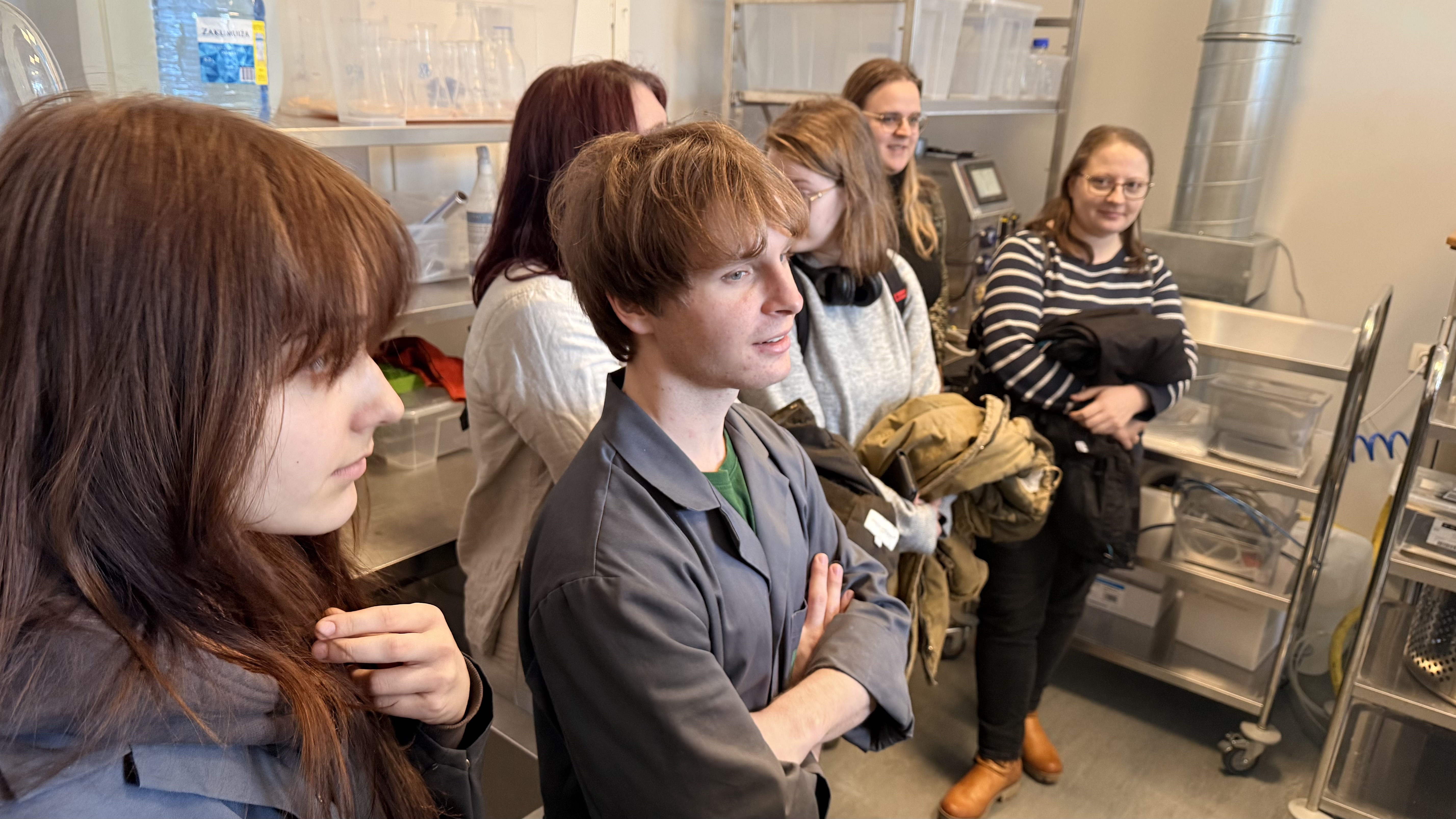
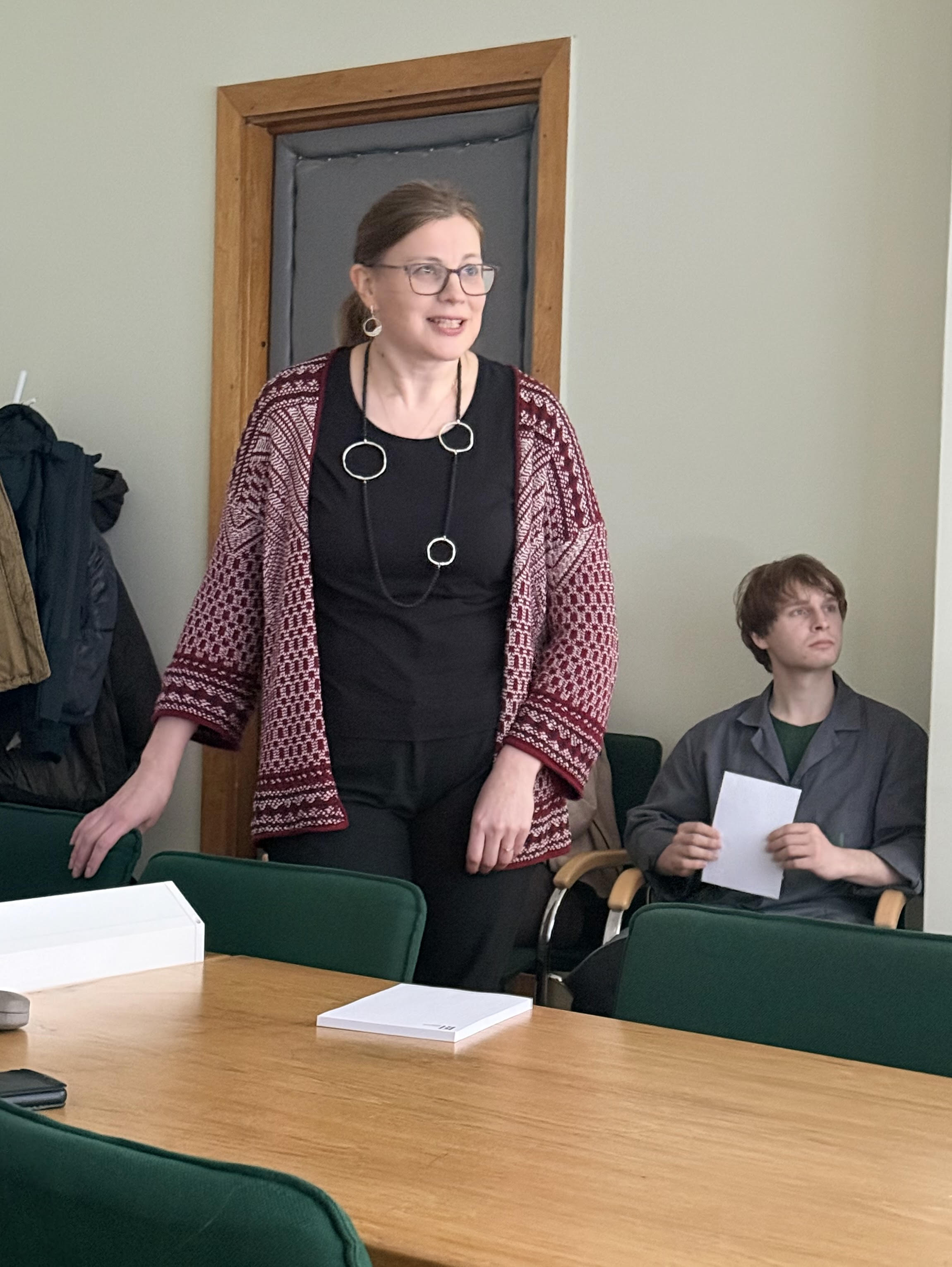
On 4 March 2026, students from the University of Latvia, together with the course lecturer — leading researcher Dārta Kļaviņa from the Latvian State Forest Research Institute Silava — and staff members from the Forest Phytopathology and Mycology Laboratory of Silava, visited the Latvian State Institute of Wood Chemistry (LSIWC).
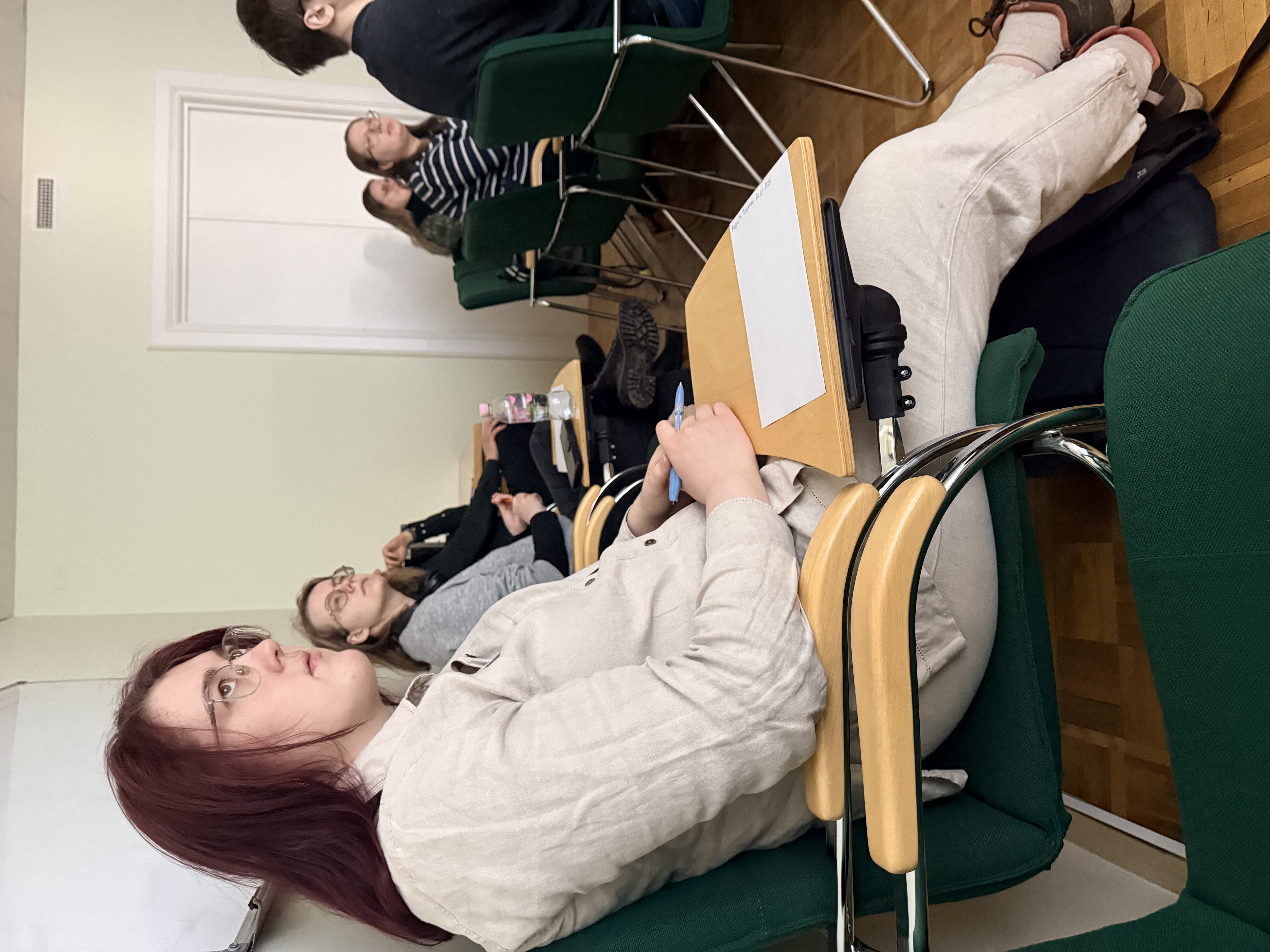
During the visit, participants attended a theoretical lecture on the applications of fungi in various sectors, including the food industry, medicine, agriculture, and environmental quality improvement. The lecture on applied mycology was organised at LSIWC in collaboration with the institute’s mycologists.
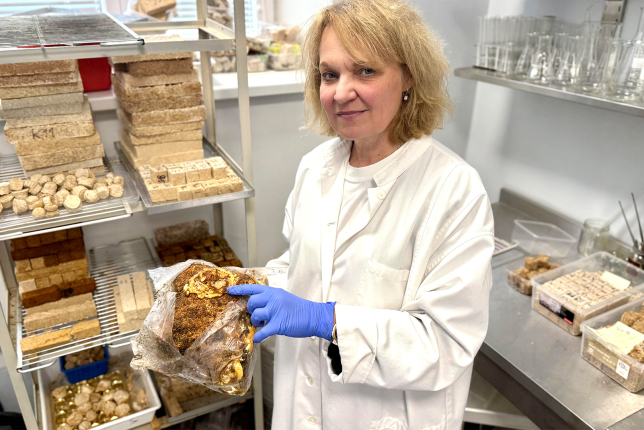
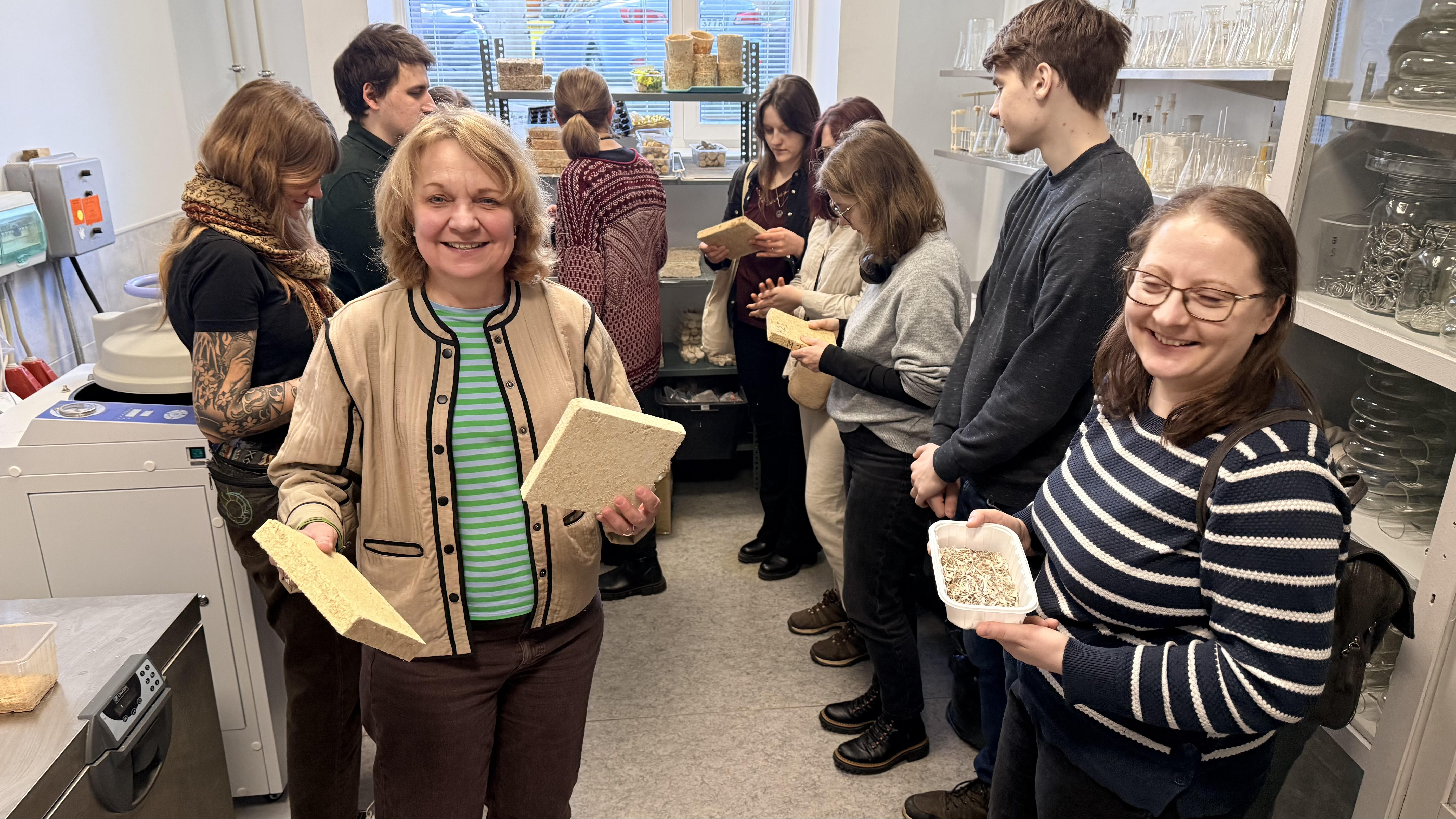
In the practical part of the visit, mycologist and our leading researcher at the Cellulose Laboratory Dr. biol. Ilze Irbe introduced research on wood biodegradation and explained the distribution of wood-decaying fungi in wooden constructions. The demonstration also included the development of mycelium-based composites and their potential applications in packaging materials, insulation solutions, and agriculture.
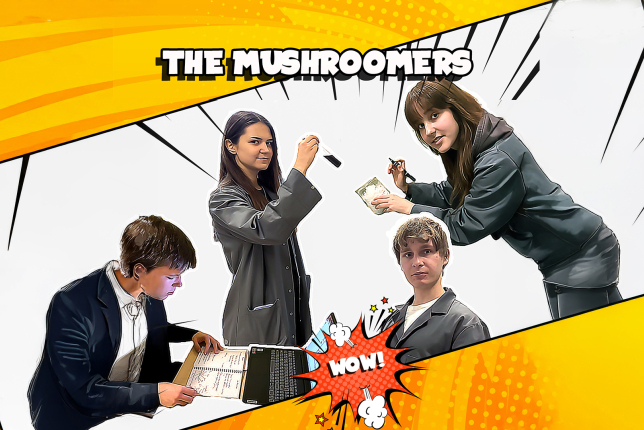
Our students Bc. biol. Mikus Kampuss and Emīlija Skrupska presented the first results of their research on cultivating the fruiting bodies of the turkey tail mushroom (Trametes versicolor) under laboratory conditions in a specially designed incubator. Students were shown the cultivation chamber where temperature, humidity, and air composition are carefully controlled to replicate natural growth conditions of the fungus as closely as possible.
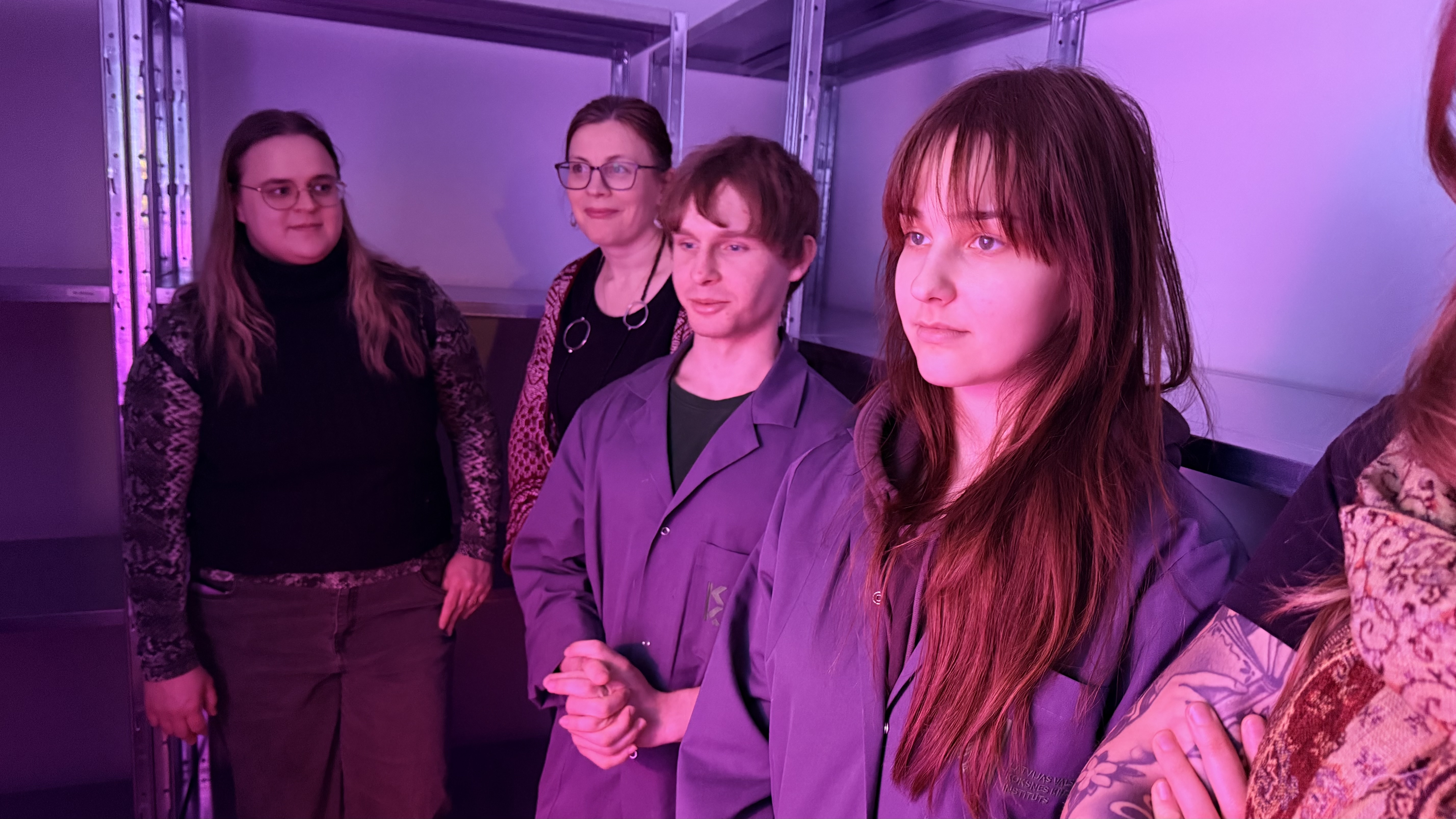
This approach allows researchers to investigate whether fruiting bodies can be produced in laboratory conditions and whether biologically active compounds with high added value can be extracted from them. Trametes versicolor contains polysaccharide–peptide complexes, β-glucans, triterpenoids, and phenolic compounds, which have been reported in scientific literature to possess immunomodulatory, antioxidant, and antiviral activity.
The experimental cultivation system was developed with the contribution of PhD Mārtiņš Andžs, leading researcher at the Biorefinery Laboratory.
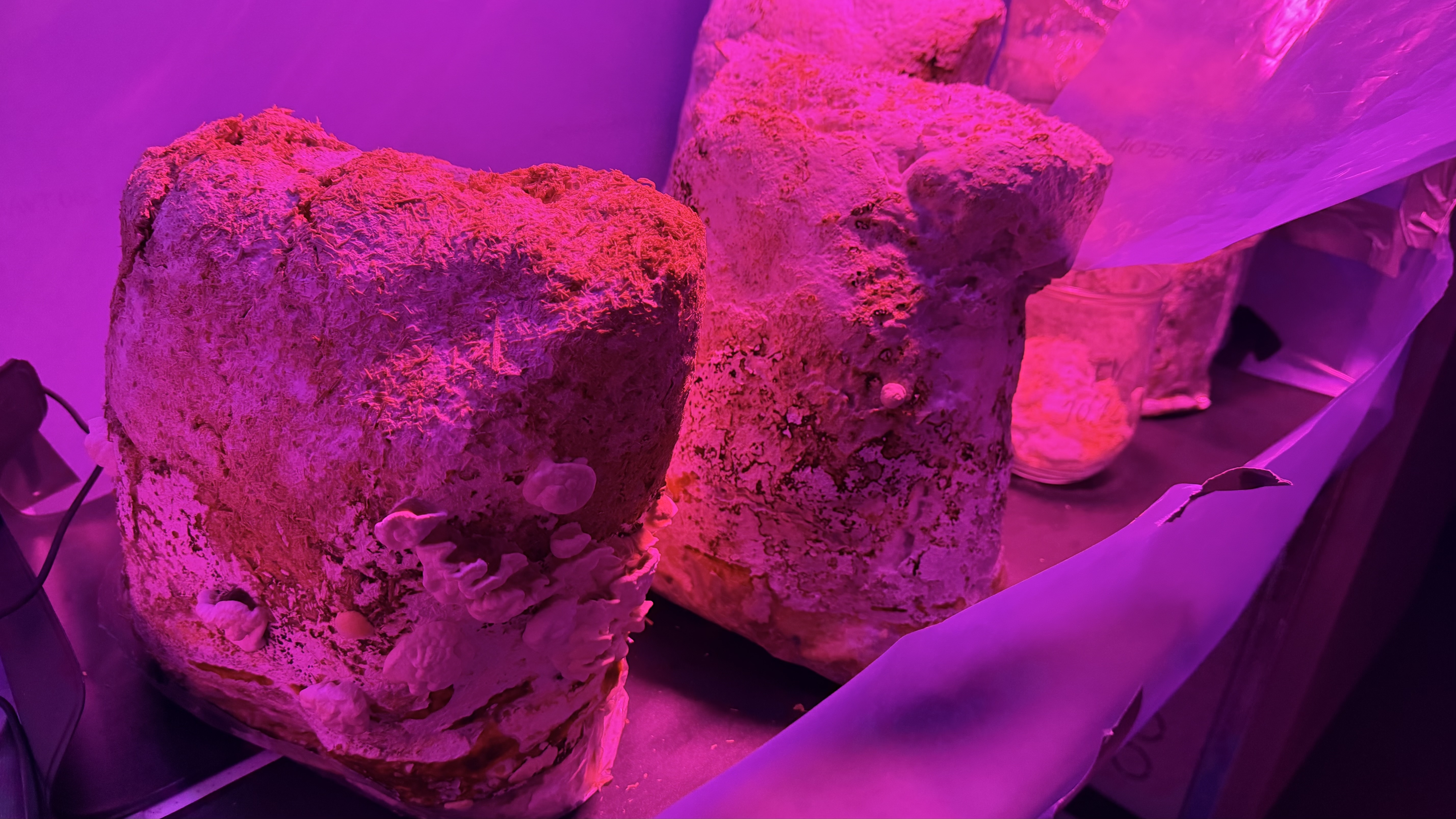
Cultivation of Trametes versicolor fruiting bodies under laboratory conditions
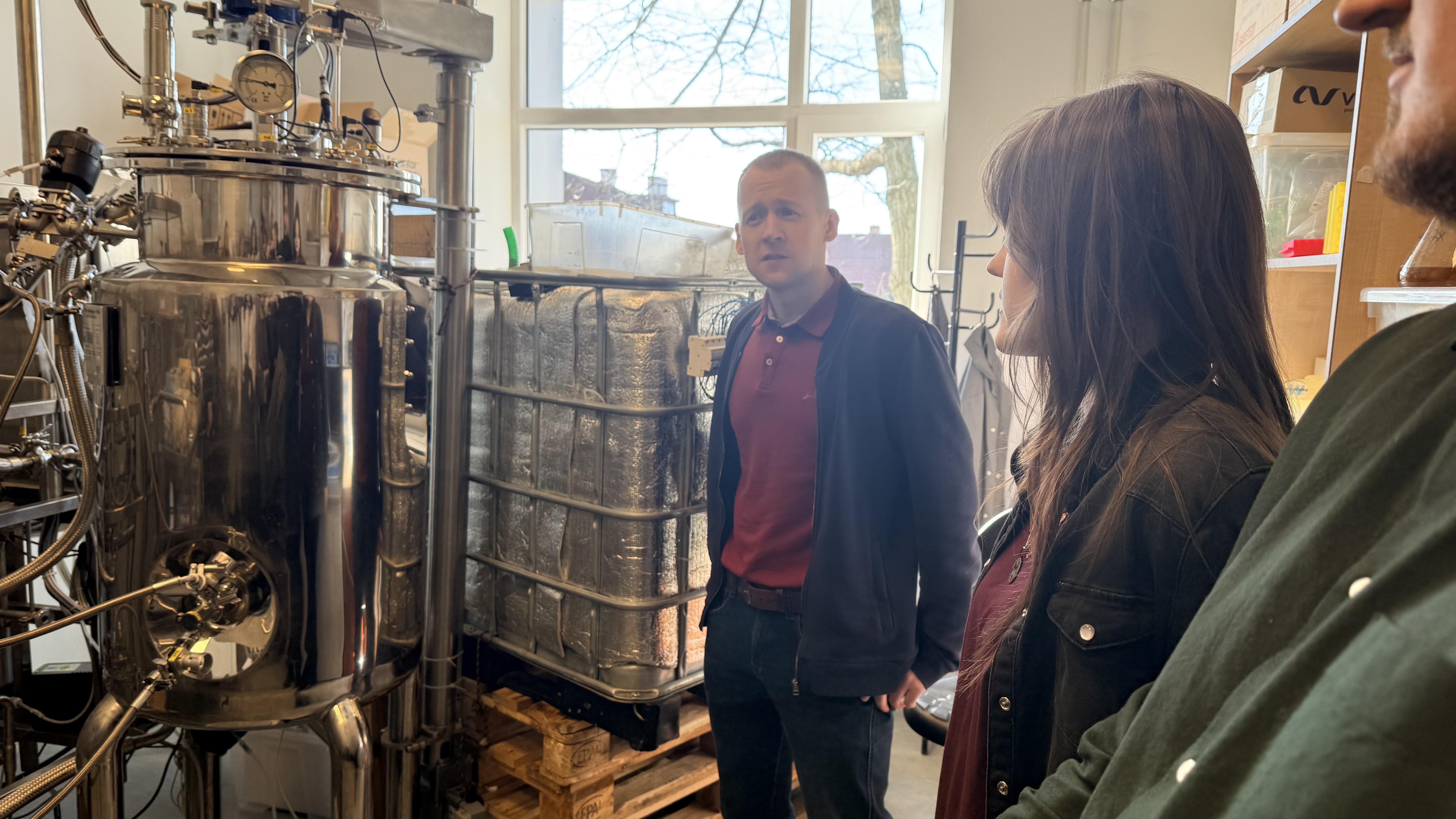
During the visit, students also toured the LSIWC Laboratory of Bioengineering, where the laboratory head Dr. sc. ing. Oskars Grīgs introduced the laboratory’s research experience in the cultivation and optimisation of bacteria, yeasts, mycelial fungi, and microalgae.
Researchers in the laboratory apply bioengineering approaches to improve the efficiency of biotechnological processes. This includes the use of process analytical tools (monitoring, modelling, and control), scaling of processes in different type