Seminar on Polyurethane Chemistry and Sustainable Materials at LSIWC
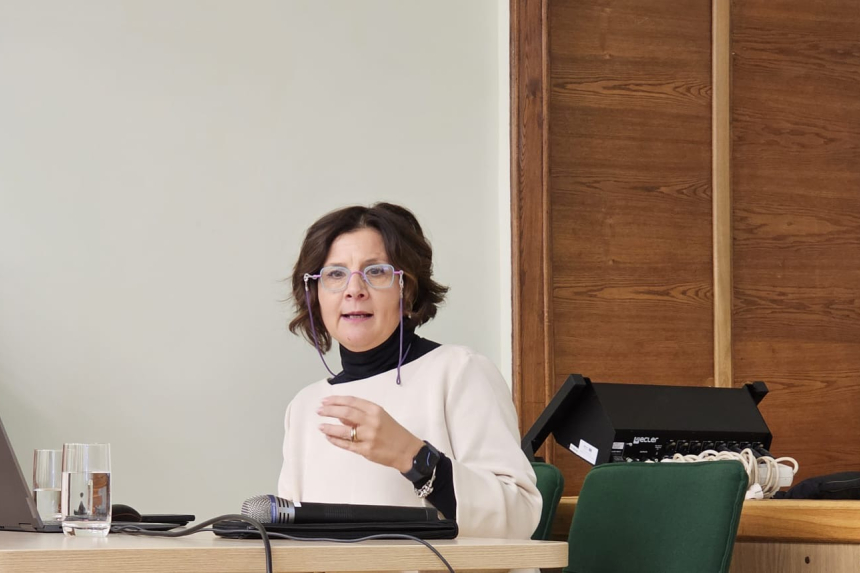
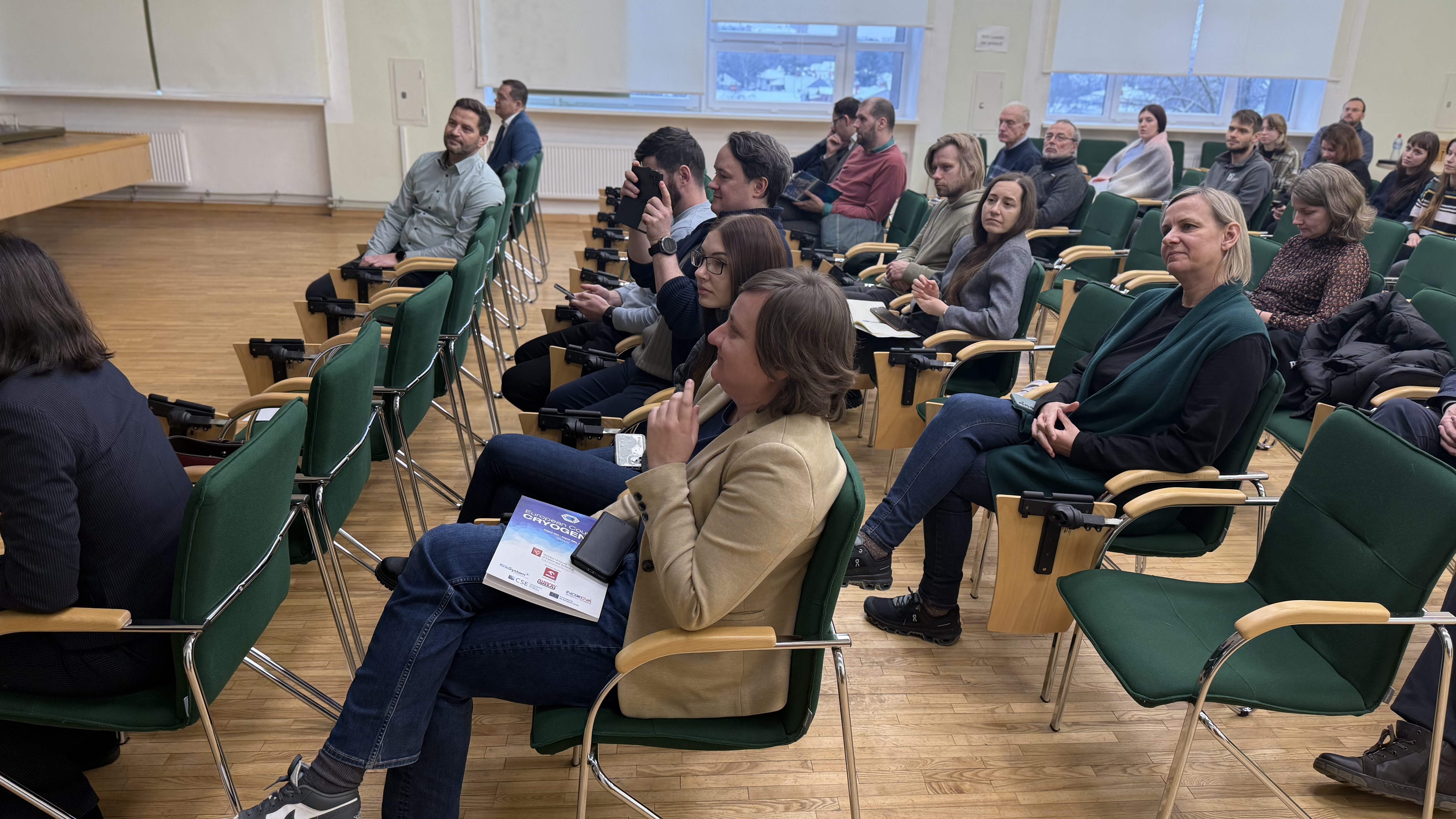
On 14 January, a seminar dedicated to polyurethane chemistry and technologies was held at the Latvian State Institute of Wood Chemistry (LSIWC). The seminar focused on sustainable, functional, and environmentally friendly materials, offering insights into the latest research at the intersection of polymer science, construction, energy efficiency, transport, and cultural heritage preservation.
The seminar featured presentations by researchers from the Consiglio Nazionale delle Ricerche (CNR), Italy’s largest public research organisation, which conducts interdisciplinary research spanning both fundamental science and industrial applications.
Sustainable polyurethanes: from the laboratory to cultural heritage
The seminar focused on sustainable polyurethane materials and their multifunctional properties. As emphasised by one of the lecturers, Dr Letizia Verdolotti, whose materials are used across a wide range of sectors, including museums: “European cultural heritage is a unique value whose preservation requires solutions that are both technically precise and responsible.” It is precisely at this intersection that Dr Verdolotti’s research is positioned – developing sustainable polyurethane foams that provide mechanical protection, microclimate control, and reduced environmental impact.
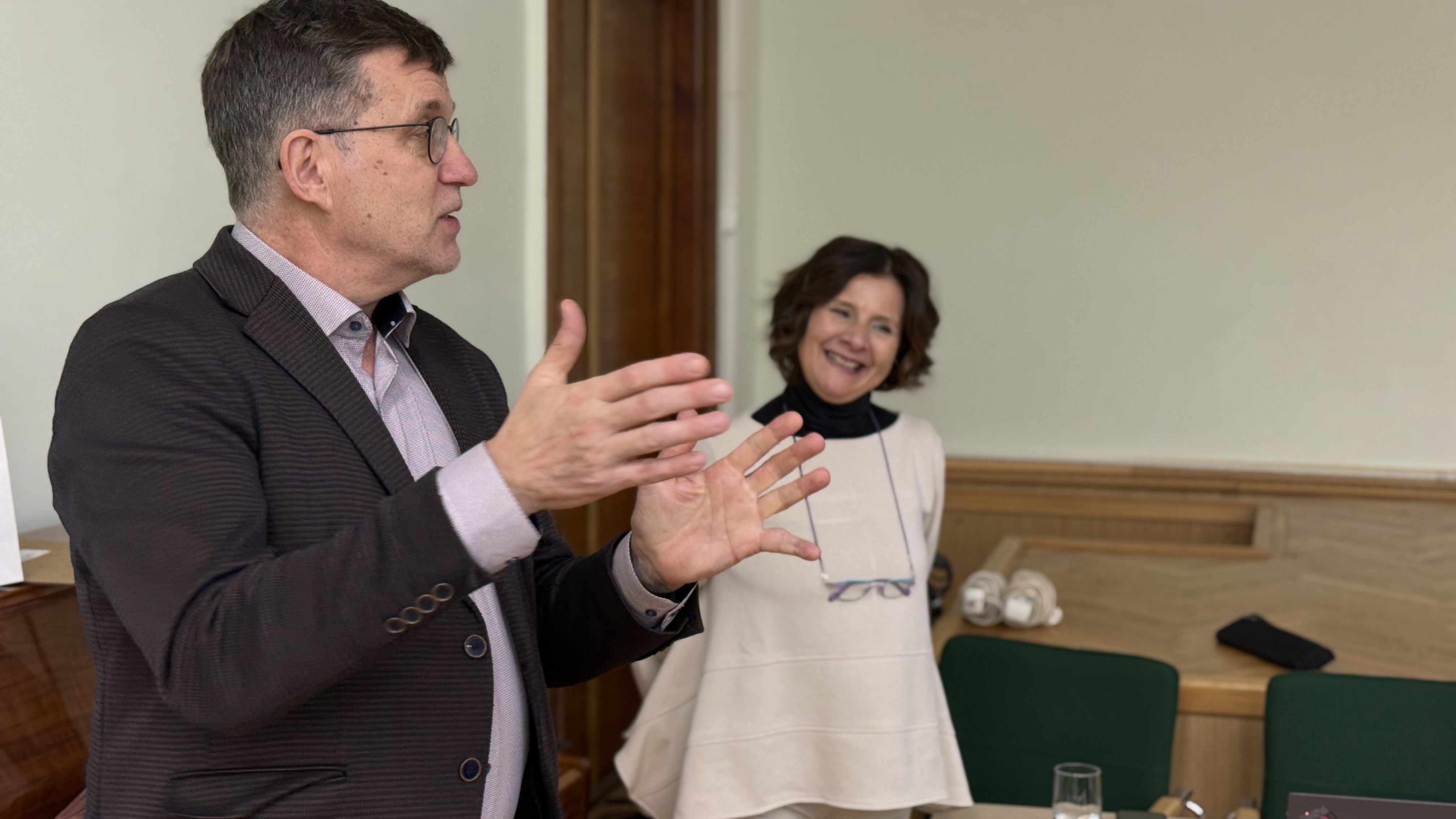
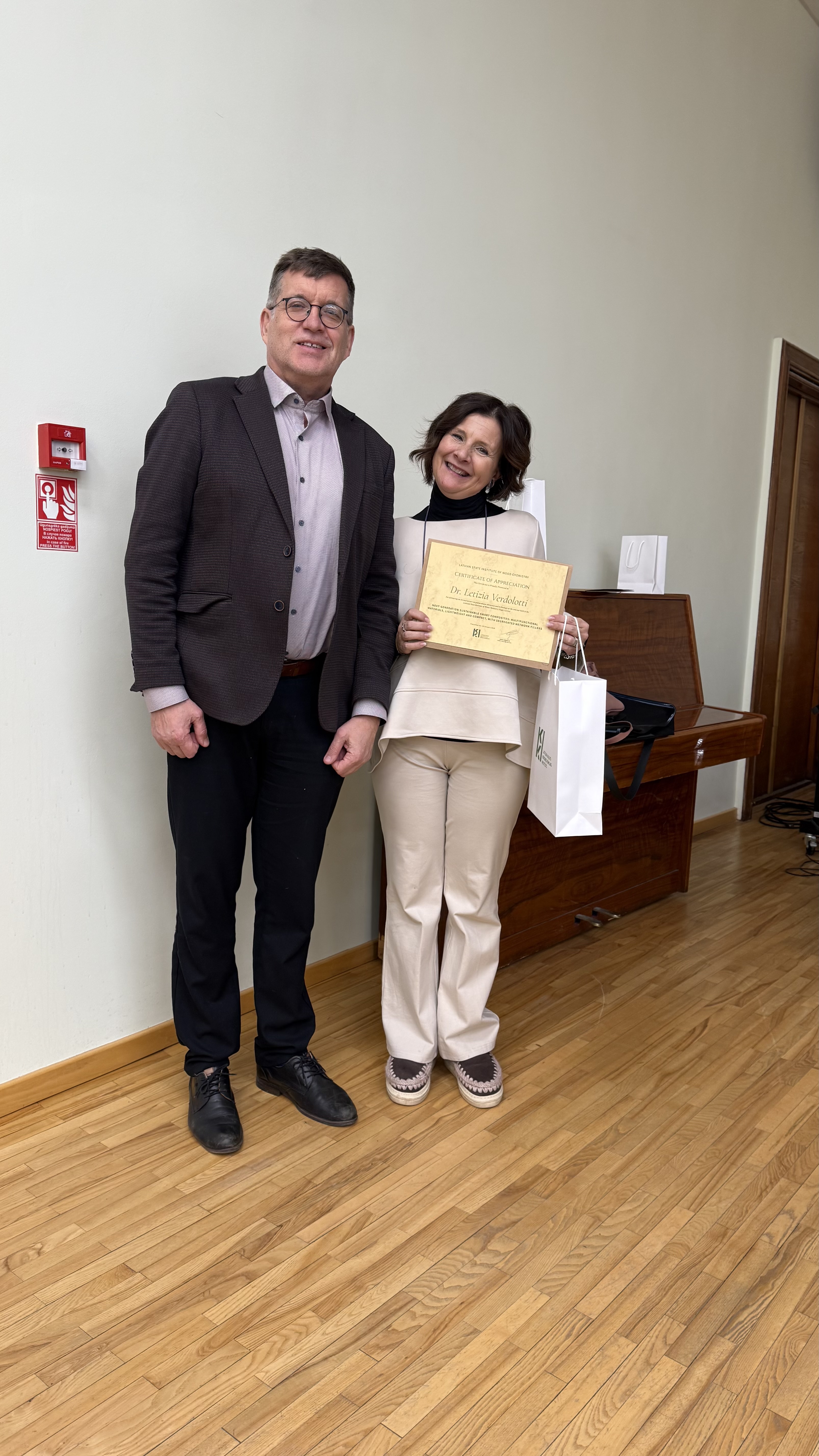
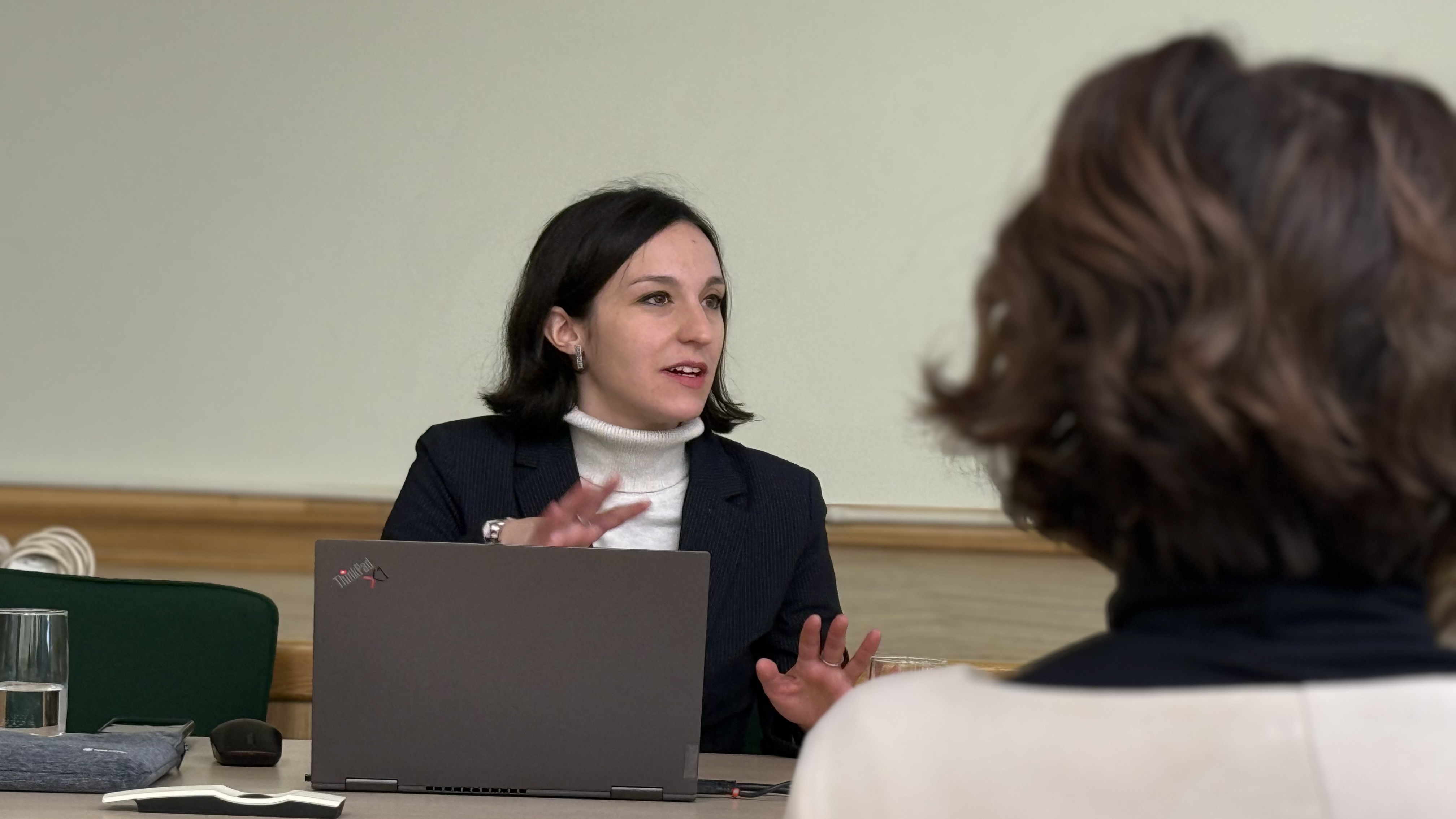
At LSIWC, Dr Verdolotti delivered a lecture entitled “Next-Generation Sustainable Smart Composites: Multifunctional Materials, Lightweight and Compact, with Segregated Network Fillers.”
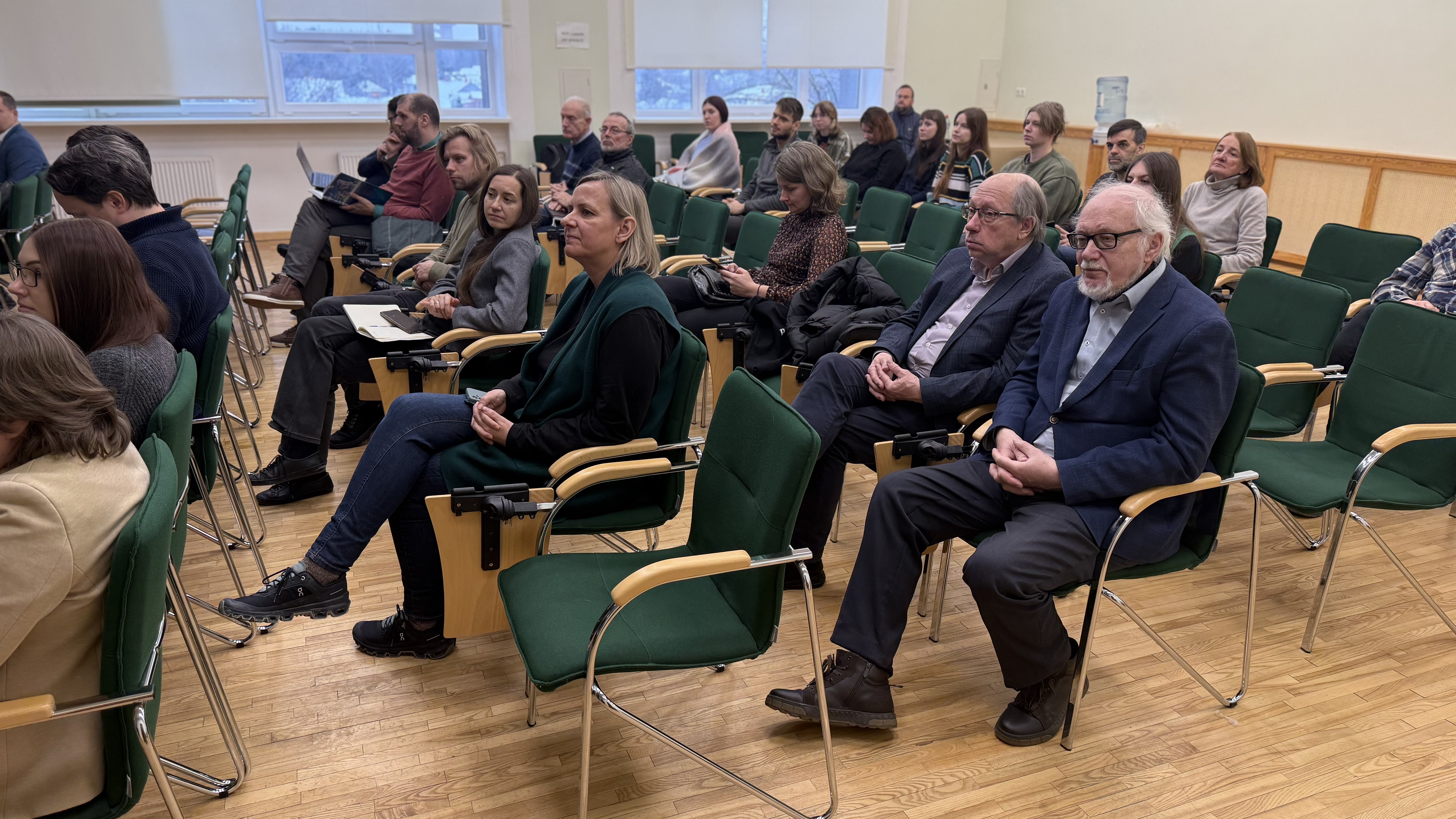
Working at the Institute for Polymers, Composites and Biomaterials (IPCB-CNR), Dr Verdolotti is involved in research focused on environmentally friendly materials for various applications, including cultural heritage conservation, restoration, and transportation. Under her leadership, bio-based polyurethane foams are being developed and enhanced with functional fillers such as zeolites to absorb volatile organic compounds and regulate humidity within packaging systems.
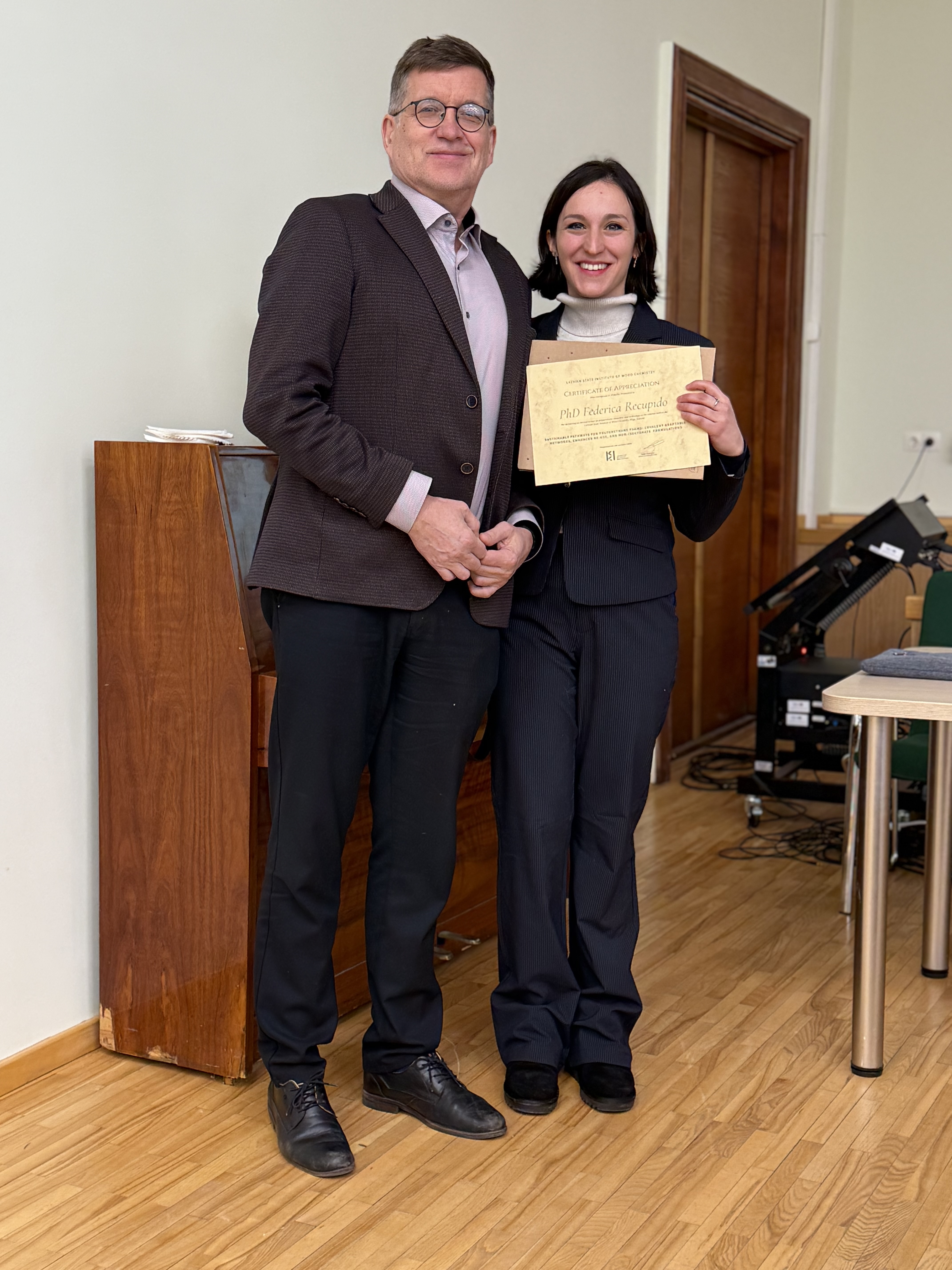
The second seminar lecturer, PhD Federica Recupido, presented “Sustainable Pathways for Polyurethane Foams: Covalent Adaptable Networks, Enhanced Re-use, and Non-Isocyanate Formulations.” Her presentation addressed research aimed at developing alternatives to conventional polyurethane foams synthesised from non-renewable raw materials. These solutions offer improved mechanical strength, energy absorption, and barrier properties. Dr Recupido also highlighted the adaptation of materials for use with artworks, including the application of 3D printing approaches, which help reduce material consumption and environmental impact.
The seminar provided an opportunity to explore current research in polyurethane chemistry and to discuss how sustainable materials can simultaneously serve industrial needs and support the preservation of Europe’s cultural heritage.
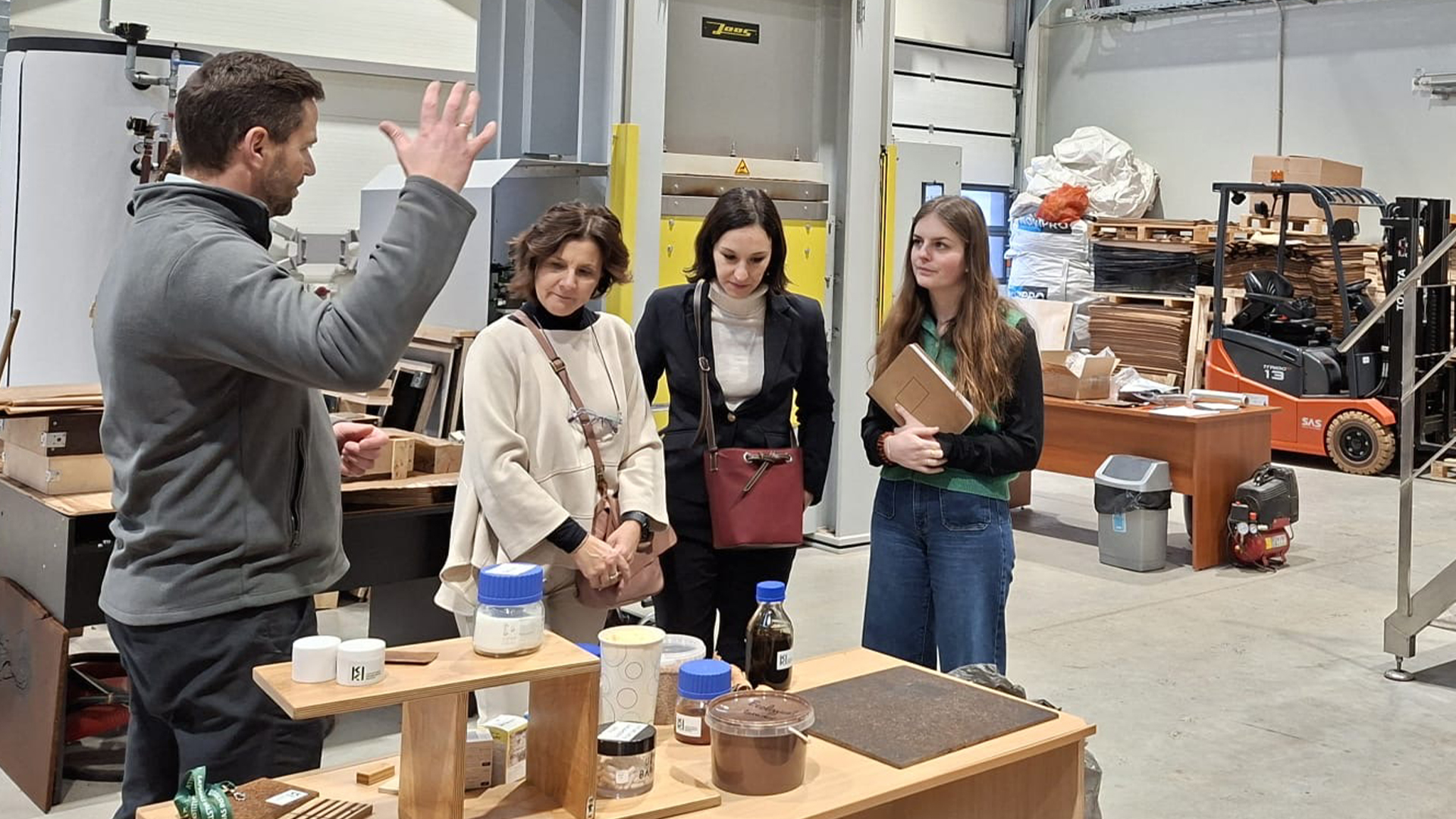
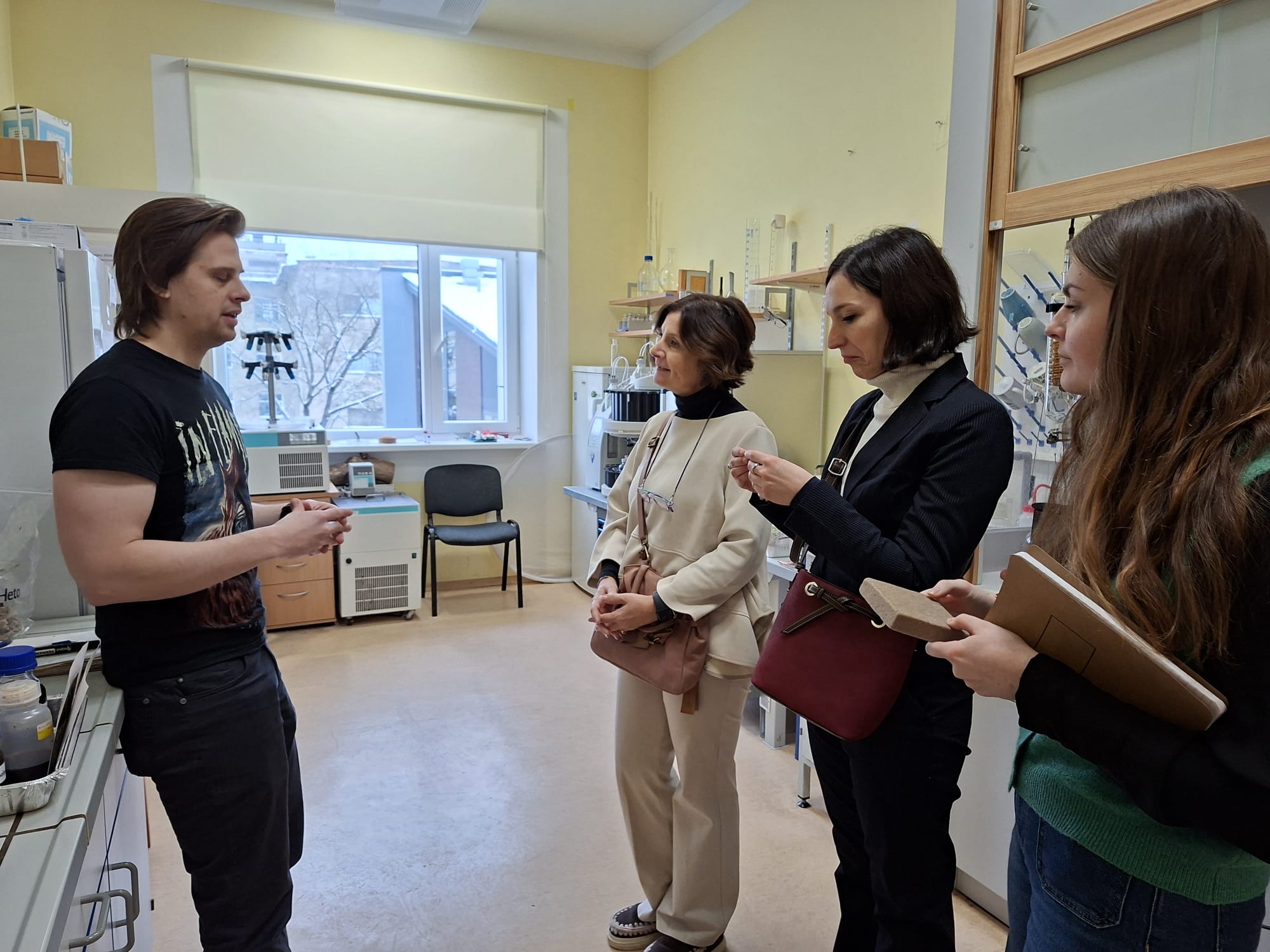
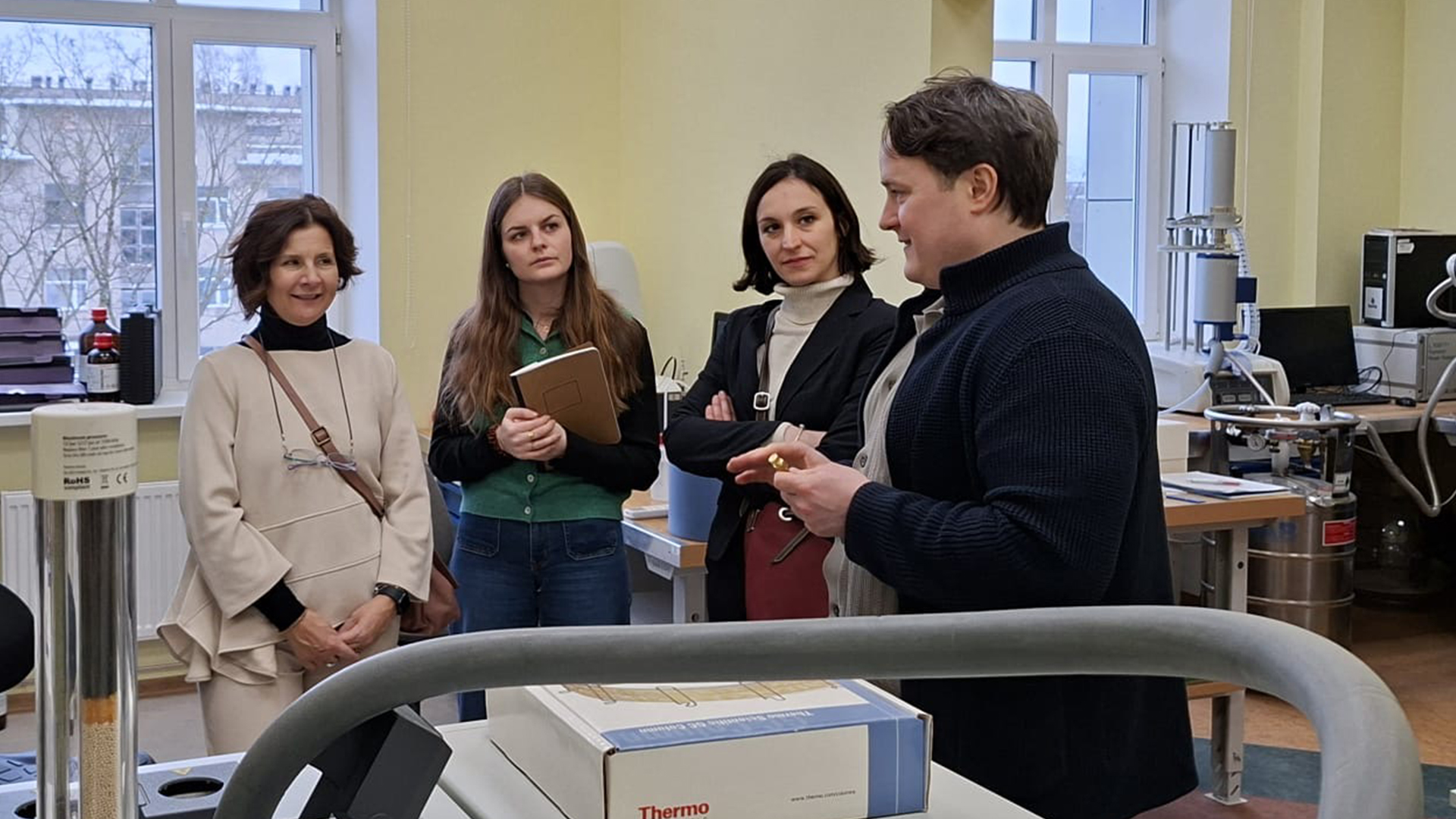
Following the seminar, LSIWC scientists introduced the CNR researchers to the institute’s laboratories and pilot-scale facility hangar.