LSIWC Researchers Present Their Work at the Baltic Polymer Symposium
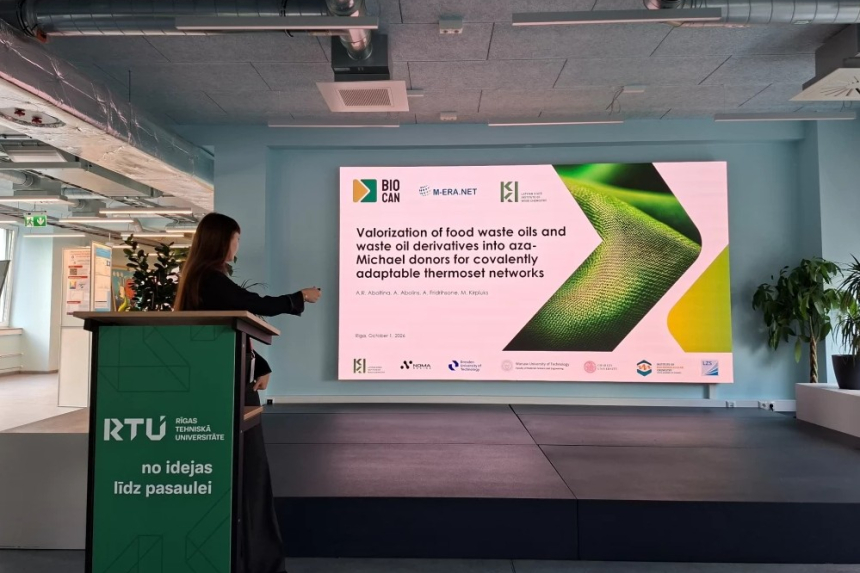
The 24th International Baltic Polymer Symposium 2026 (BPS 2026) took place at Riga Technical University from 30 September to 2 October. The conference brought together more than 90 polymer science researchers and industry experts from nine countries to discuss current developments in the field, from polymer synthesis and processing to innovative composites and circular economy solutions.
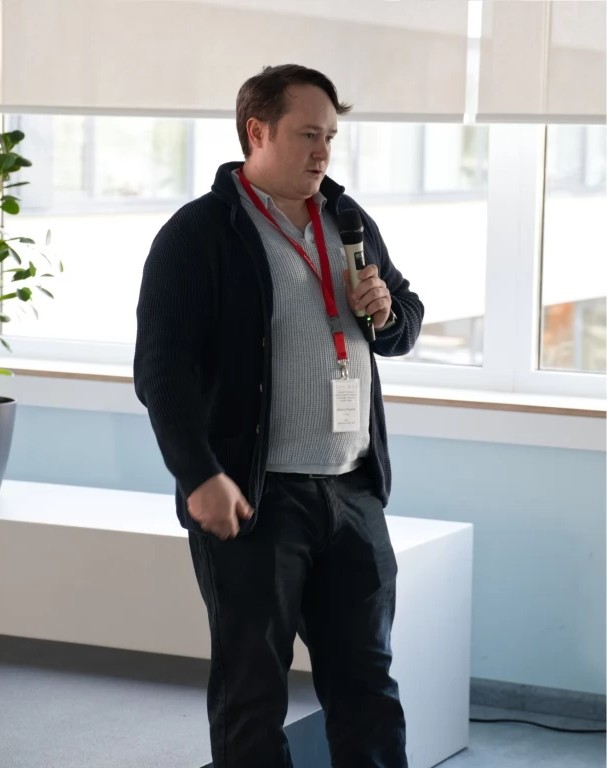
A team of researchers from the Latvian State Institute of Wood Chemistry (LSIWC) contributed eight research studies covering bio-based polymers, the valorisation of waste and by-products, and the development of new materials. LSIWC Scientific Director Uģis Cābulis also served on the conference’s Scientific Committee and chaired a thematic session on polymer processing and commercialisation.
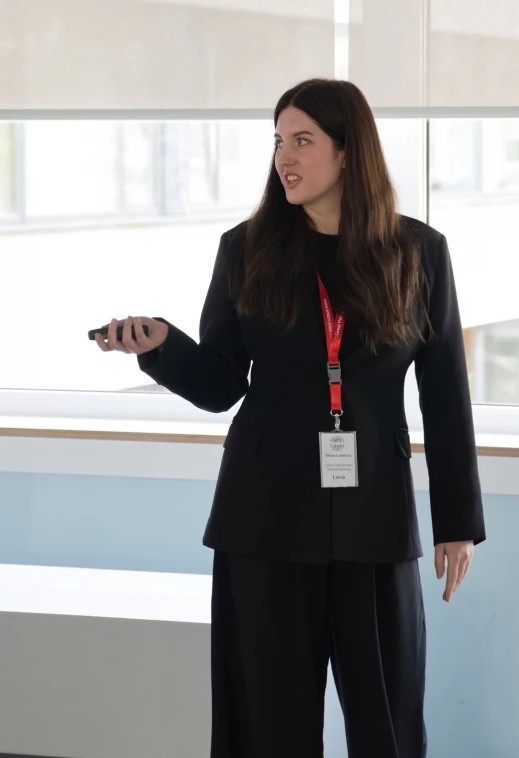
- Anna Rēzija Āboltiņa presented “Valorization of Food Waste Oils and Waste Oil Derivatives into Aza-Michael Donors for Covalently Adaptable Thermoset Networks” as part of the BioCAN project (project No. ES RTD/2025/12). Co-authors: Arnis Āboliņš, Anda Fridrihsone and Miķelis Kirpluks.
- Daniela Golubeva presented “Valorization of Methylated Food Waste Oil into Bio-Based Amines as Aza-Michael Donors for Covalently Adaptable Thermoset Networks” as part of the BioCAN project (project No. ES RTD/2025/12). Co-authors: Arnis Āboliņš, Anda Fridrihsone and Miķelis Kirpluks.
- Miķelis Kirpļuks presented the results of “From Waste Cooking Oil to Industrial Bio-Polyols: Pilot-Scale Development and Process Modelling for Sustainable Polyurethane Refrigerator Insulation”, a study carried out in collaboration with home appliance manufacturer Beko/Arçelik within the Biodesign4Insulation project (project No. ES RTD/2024/09). Co-authors: Arnis Āboliņš and Anda Fridrihsone.
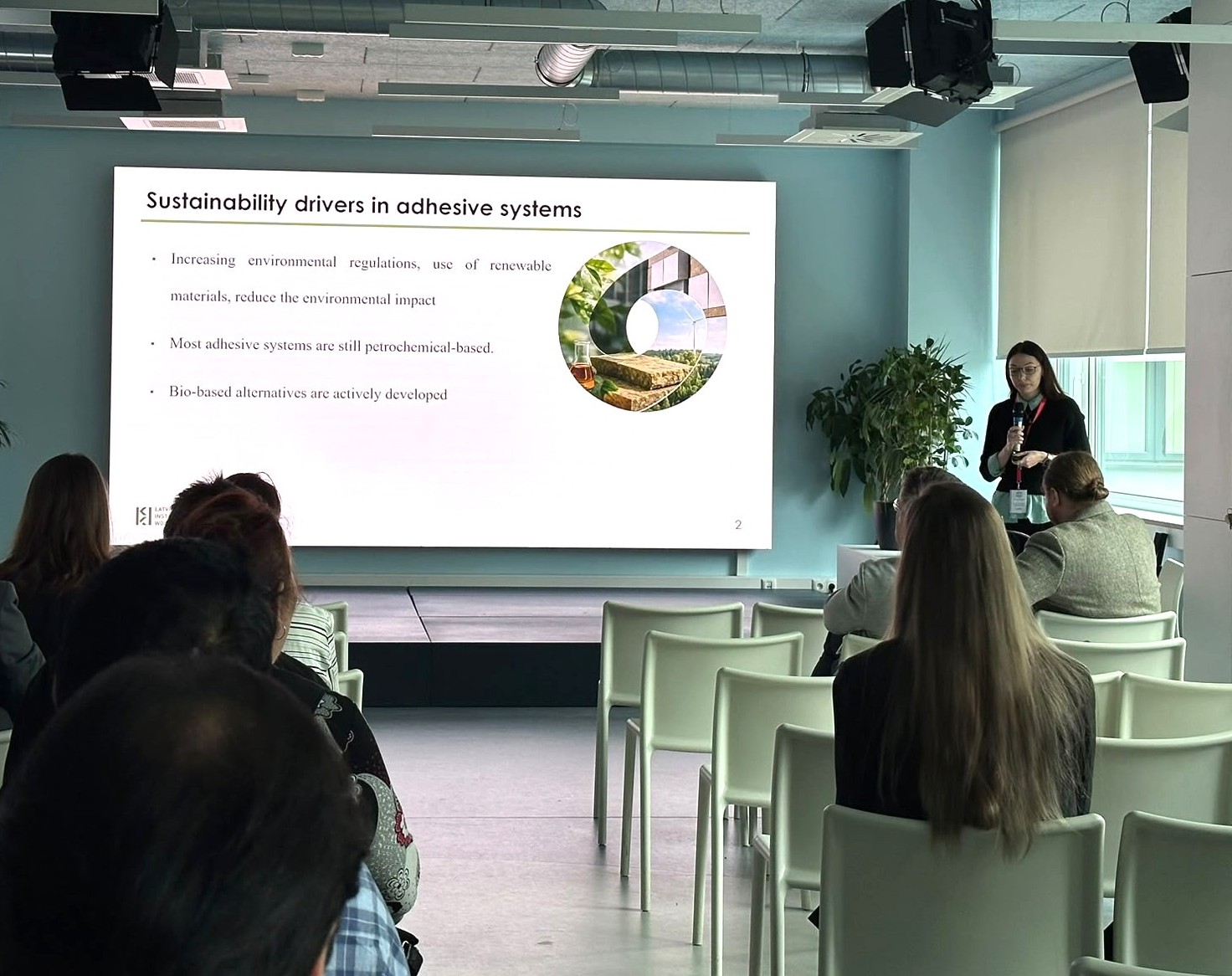
- Nanija Dambe presented “Autocatalytic Bio-Based Polyurethane Adhesives with Reduced Catalyst Emissions for Sandwich Panel Application”, a study conducted in collaboration with TENAX PANEL Ltd. and Riga Technical University within the Barrier project (project No. lzp-2025/1-0404). Co-authors: Anda Fridrihsone and Miķelis Kirpluks.
The poster sessions featured the following studies:
- Polina Kuzmina presented “Compositional and Fractional Characteristics of Wheat Straw Following Mechanochemical Treatment”. Co-authors: Brigita Neiberte, Galija Šuļga, Anrijs Verovkins, Arturs Vīksna, Jūlija Brovkina and Tālrīts Betkers.
- Laura Vasiļevska presented “Sustainable Short-Fiber Reinforced Composites Based on Tall Oil Fatty Acid-Derived Polymer Resins” as part of the TOMPosite project. Co-authors: Aiga Ivdre and Ralfs Pomilovskis.
- Galija Šuļga presented “Aggregation Behaviour of Alkali Lignin Extracted from the Pretreated Wood By-Product”. Co-authors: Brigita Neiberte, Anrijs Verovkins, Jūlija Brovkina, Tālrīts Betkers, Valērija Kudrjavceva and Sandra Livča.
- Uģis Cābulis presented “Numerical Investigation of Functionally Graded Bio-Based Rigid Polyurethane Foam in a Composite Structure” as part of the SmarTARB project, in collaboration with Riga Technical University. Co-authors: Andrejs Kovaļovs, Vanesa Dhalivala, Inese Bēverte and Vladimirs Jakušins.
“The eight studies represented at the symposium cover a range of research areas, from the use of new feedstocks to the development of innovative polymers and composite materials. They share a common goal: finding more efficient ways to use resources and developing materials with improved properties. It is important to us that our research results have the potential to be applied beyond the laboratory,” says Uģis Cābulis, Scientific Director of LSIWC.