LSIWC joins international GREEN-MEM project to develop more sustainable membranes
The Latvian State Institute of Wood Chemistry (LSIWC) has joined a new EU-funded research and staff exchange project, GREEN-MEM, which aims to develop a new generation of eco-designed, bio-based and recyclable membranes for water and wastewater treatment.
Membranes play an essential role in water and wastewater treatment, but the membranes themselves are often made from fossil-derived polymers using hazardous solvents. Some membranes also contain fluorinated materials that can contribute to persistent chemical pollution and microplastics. GREEN-MEM addresses this challenge across the entire membrane lifecycle – from material selection and manufacturing to use, reuse, recycling and biodegradation.
From fossil-based materials to more sustainable membranes
The project will develop microfiltration and nanofiltration membranes using bio-based and biodegradable polymers, natural fibres and safer solvents derived from renewable resources.
Machine learning will also be used to identify new materials and material combinations. It will help predict membrane properties, optimise manufacturing processes and identify more efficient recycling solutions. The most promising solutions will be tested in water treatment processes, including the removal of dyes and metals from water, and subsequently tested at pilot scale.
LSIWC’s contribution to the GREEN-MEM project
LSIWC will contribute its expertise in working with natural polymer materials. The Institute’s researchers will develop cellulose- and chitosan-based materials, natural fibres and biodegradable polymers.
Researchers will also work on fibre modification and functional properties required for antimicrobial activity in membranes.
International collaboration
GREEN-MEM brings together 11 partners – universities, research organisations and companies from Europe, Türkiye and Malaysia. The partners combine expertise in membrane technology, bio-based materials, surface engineering, machine learning, water treatment, pilot-scale technologies, sustainability assessment and commercialisation.
The project is coordinated by Selçuk University in Türkiye.
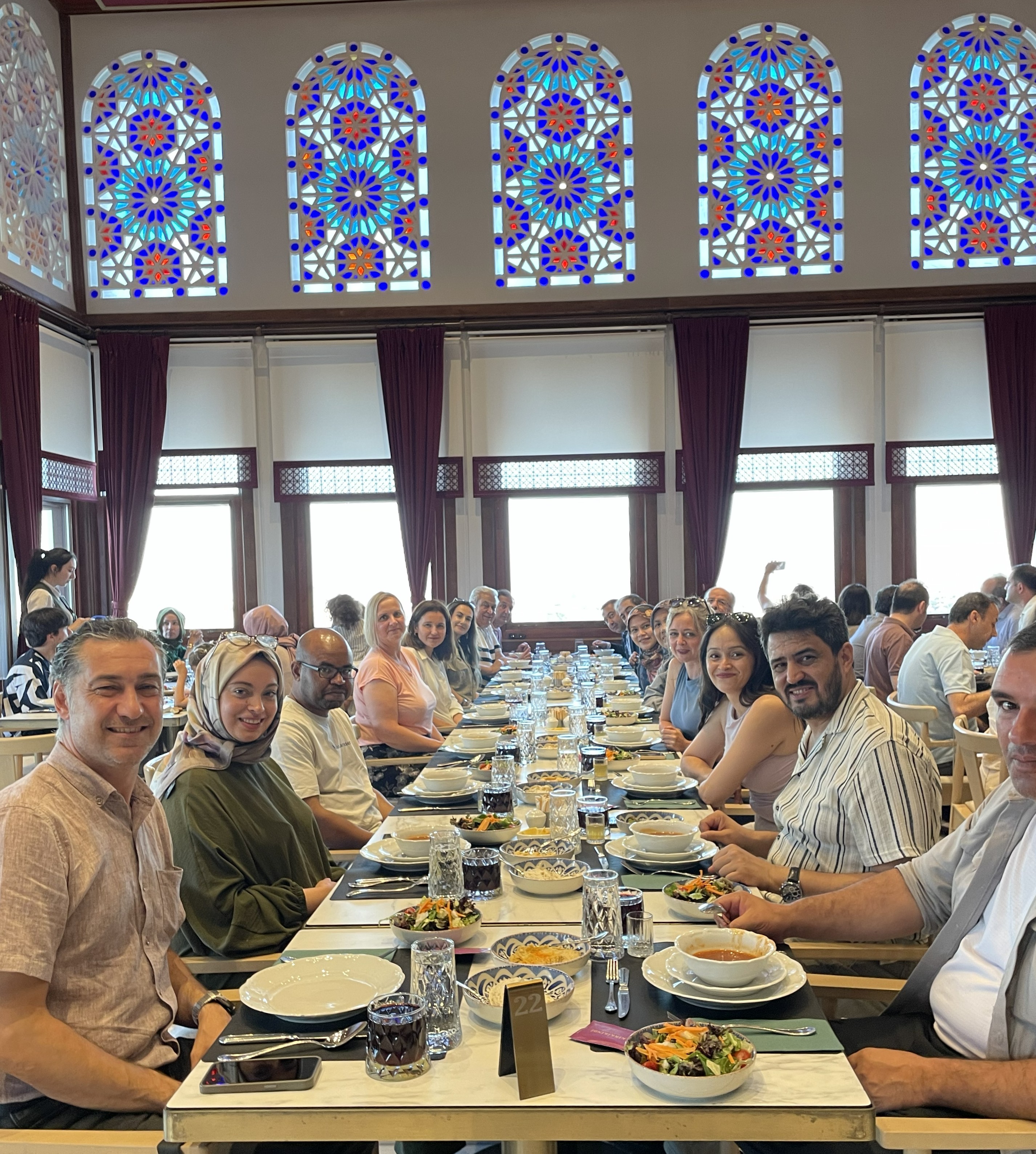
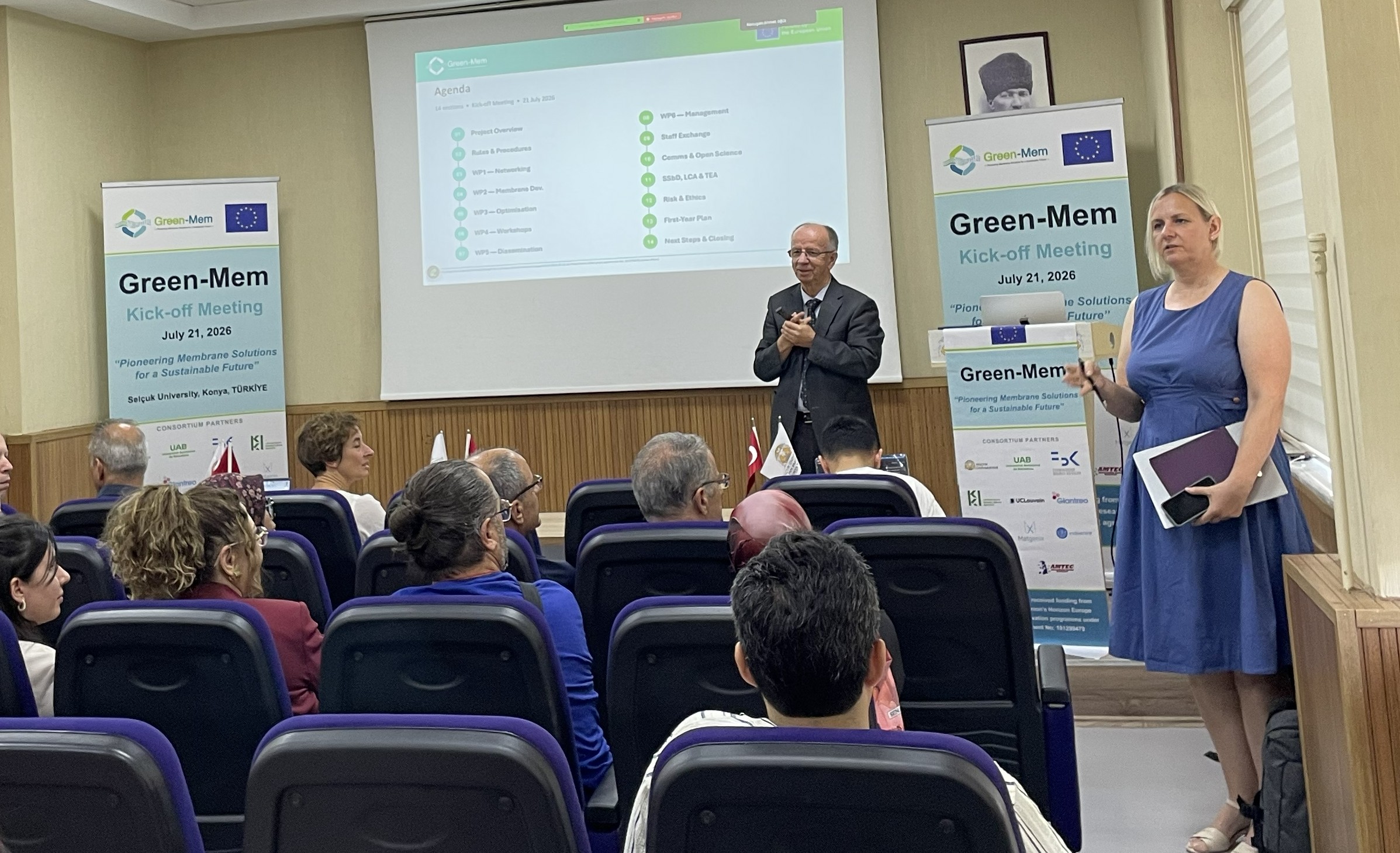
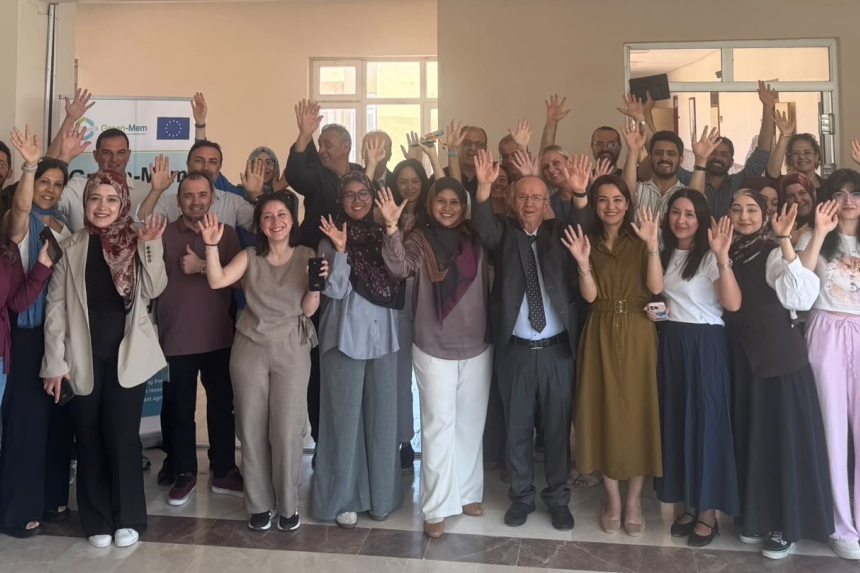
The project kick-off meeting took place on 21 July 2026 in Konya, Türkiye. During the meeting, the partners agreed on the project’s scientific programme, staff mobility plans and first-year priorities. LSIWC was represented at the meeting by Leading Researcher Inese Fiļipova.
“An exciting start to the project, meeting all the project partners from different countries, with very different areas of expertise and fields of work. We were all united by the desire to find environmentally friendly membrane material solutions, as well as by the Konya sunshine, delicious Turkish cuisine and the hospitality of Selçuk University,” says LSIWC Leading Researcher Inese Fiļipova following the meeting.
The GREEN-MEM project started on 1 July 2026 and will run for four years. The project has received funding from the European Union’s Horizon Europe research and innovation programme under the Marie Skłodowska-Curie Actions Staff Exchanges call (Grant Agreement No. 101299479).