Latvian State Institute of Wood Chemistry’s 80th Anniversary Year: Arno Jundze’s Book “Wood Chemistry in Human Stories” Published
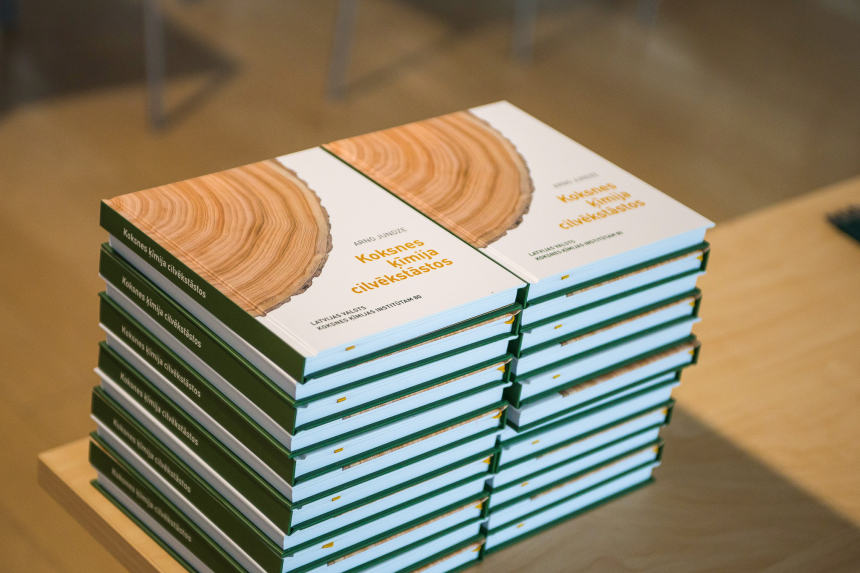
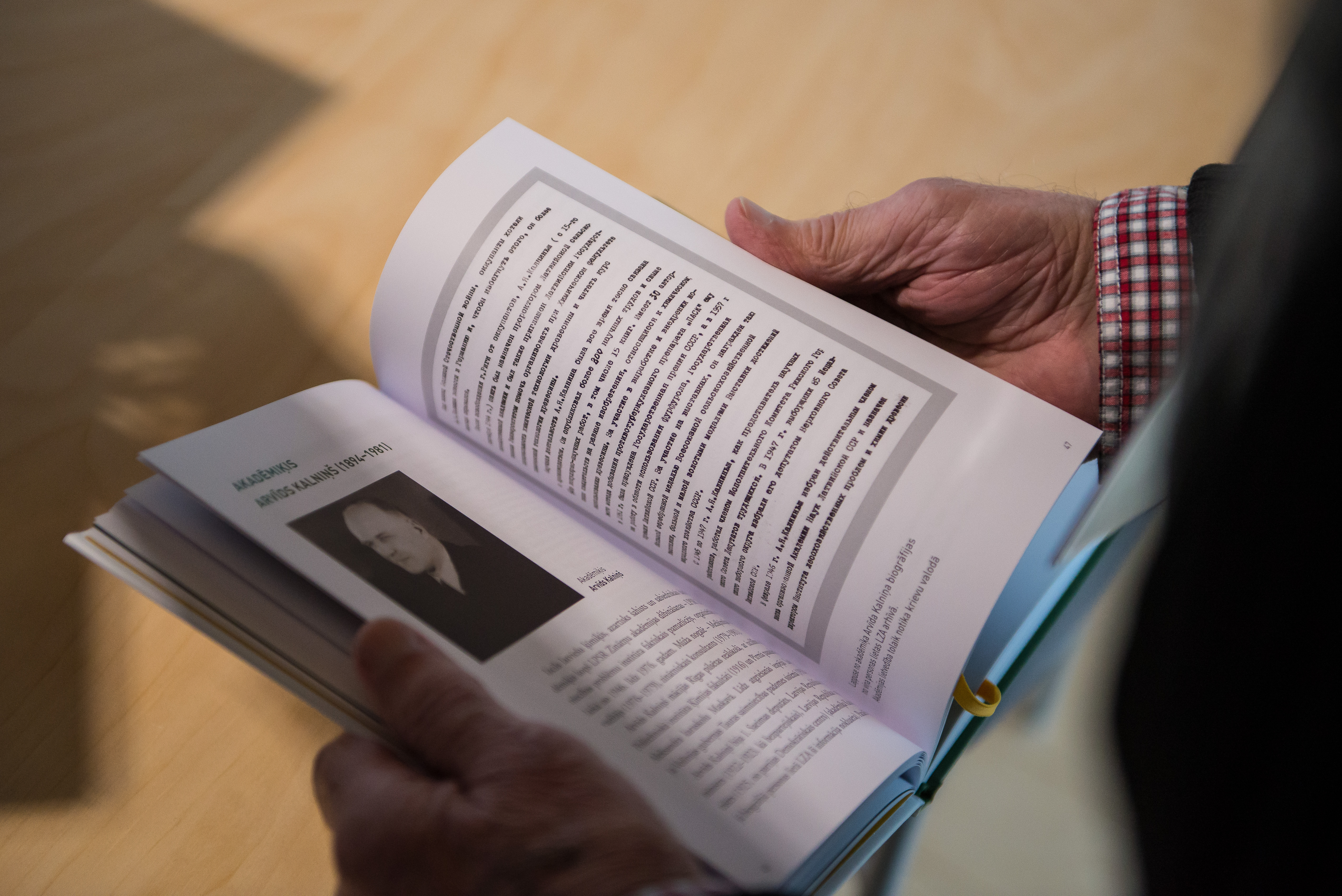
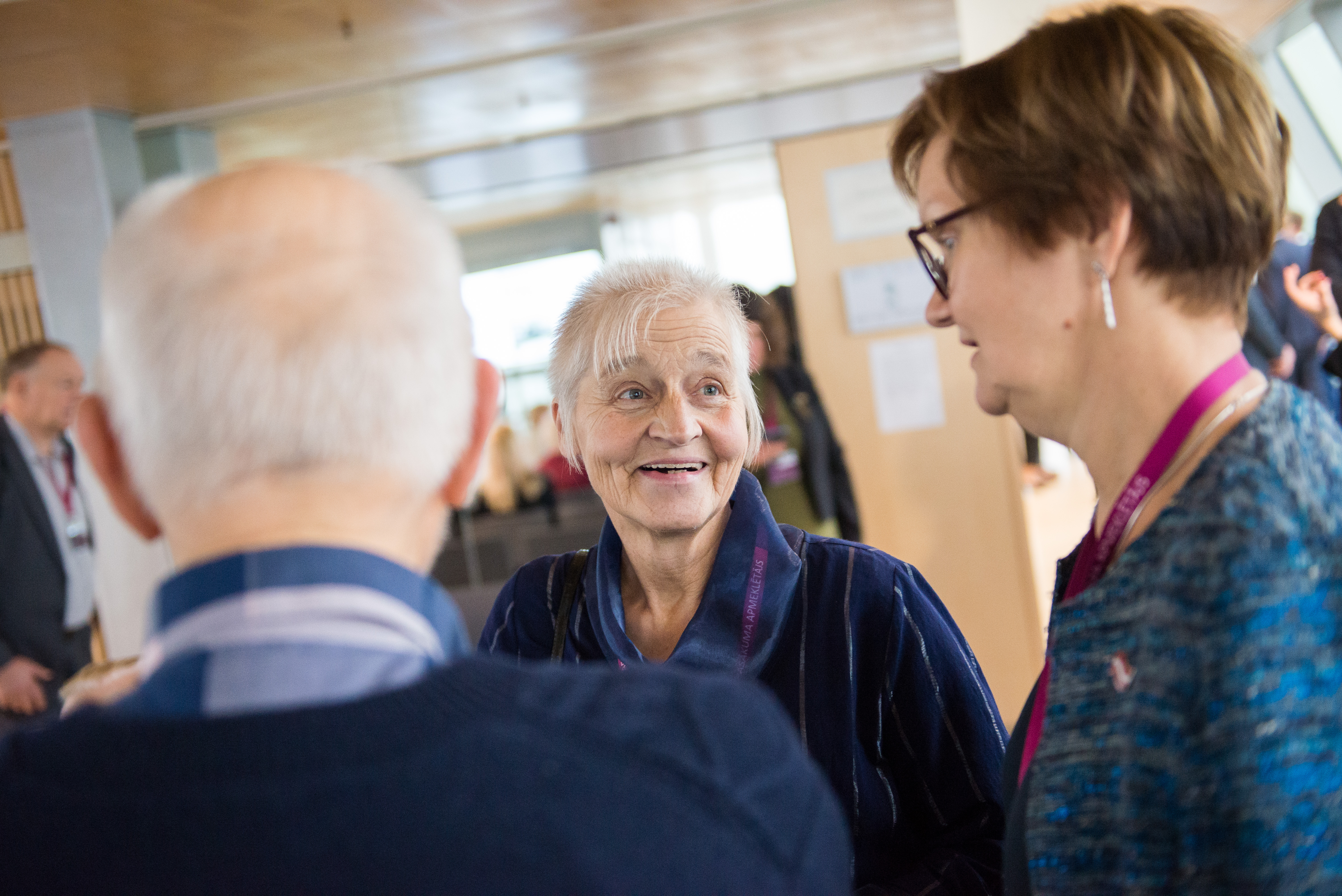
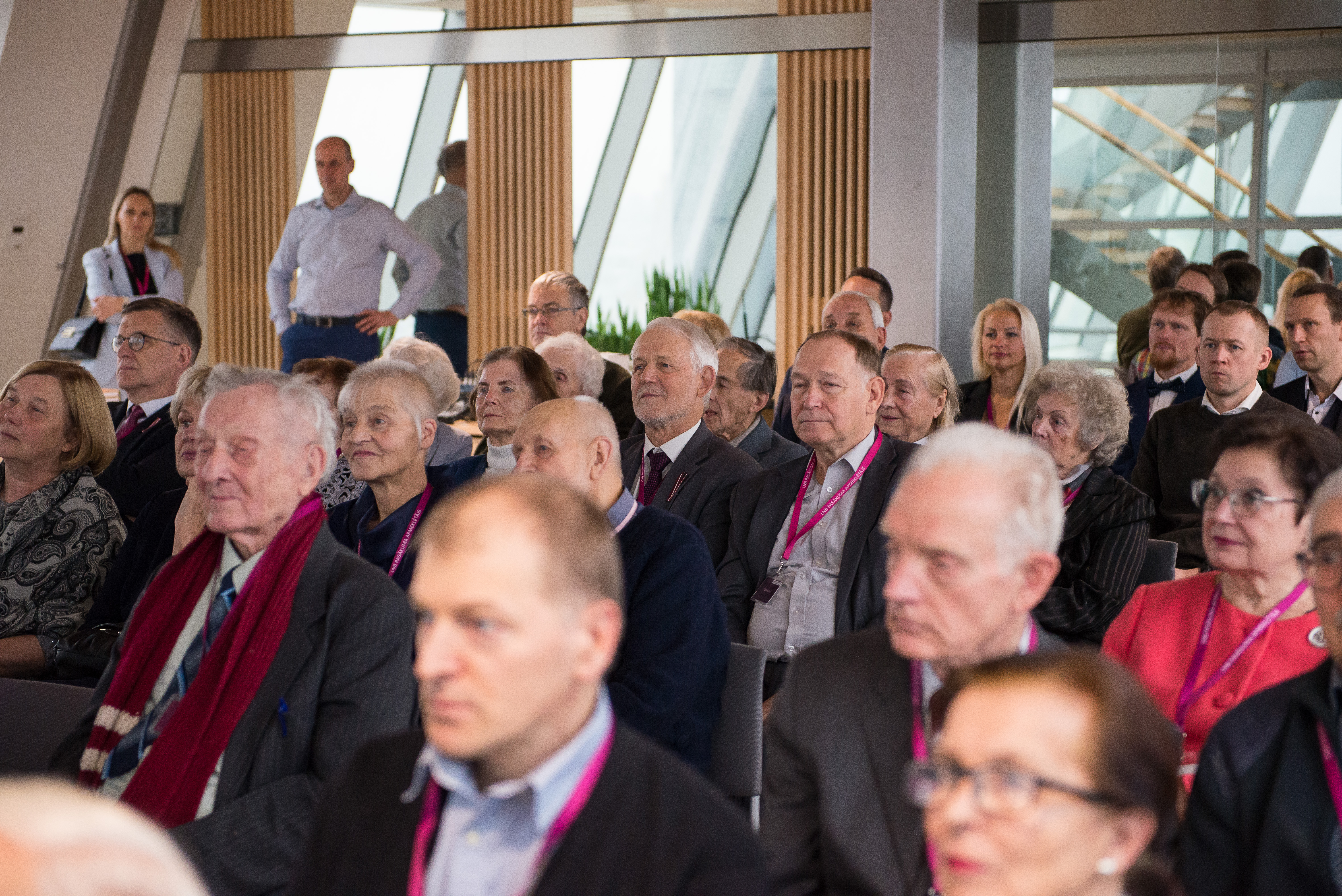
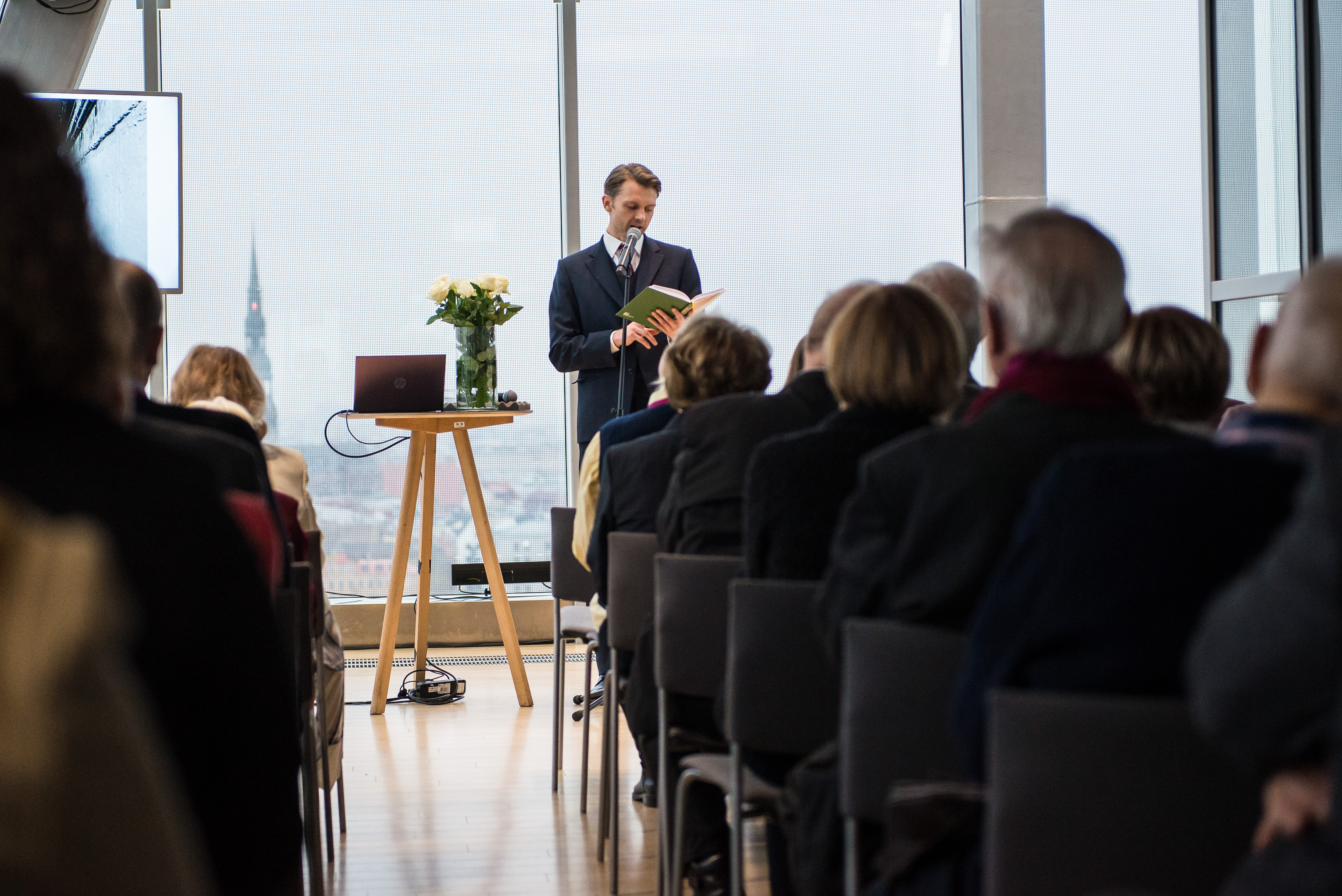
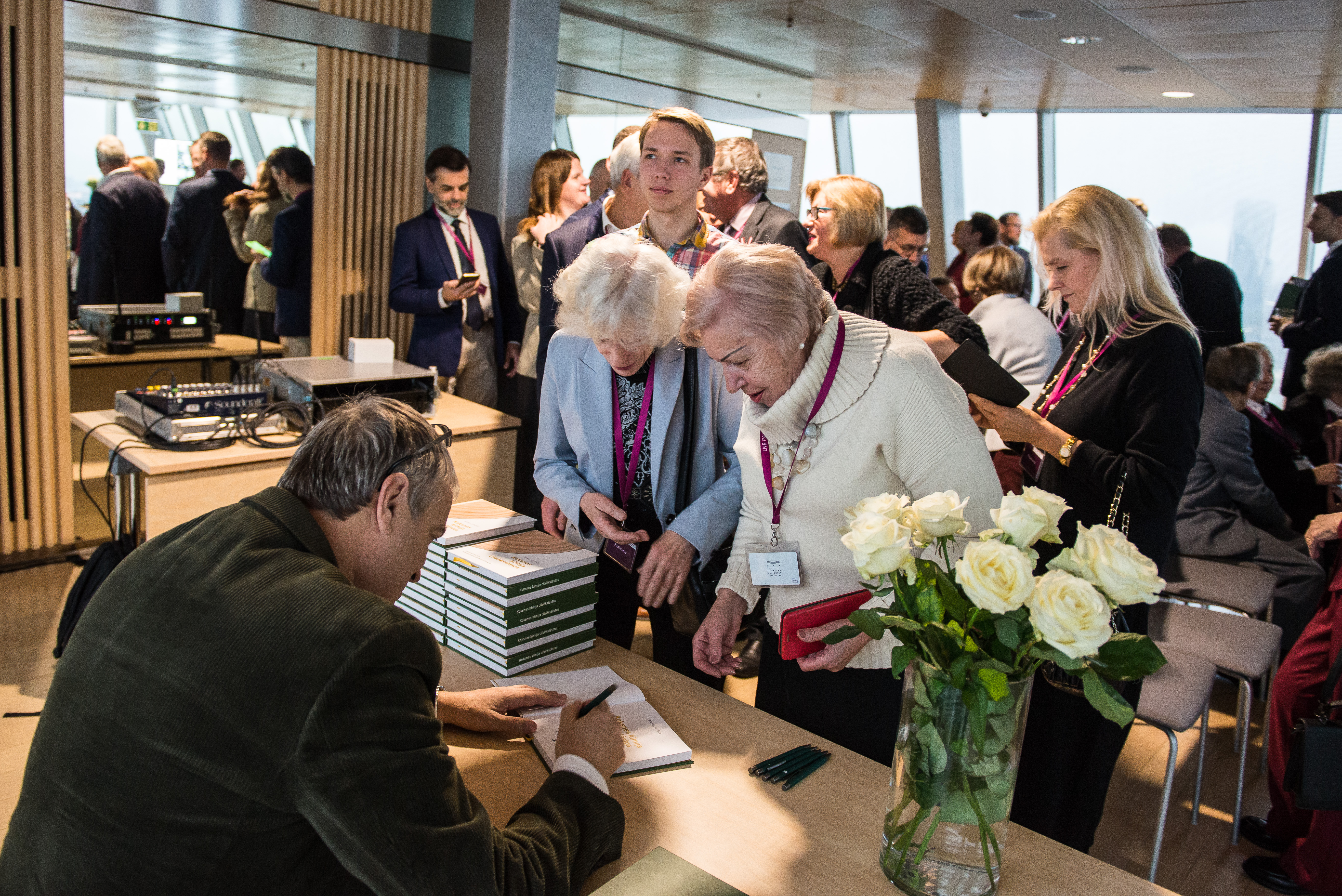
On 17 November, we celebrated the publication of Arno Jundze’s book “Wood Chemistry in Human Stories” at the Latvian National Library (LNB). The book tells the story of the Latvian State Institute of Wood Chemistry (LSIWC) through eight decades of scientific development, personal experiences and stories of the people who have shaped the institute.
The first part of the book offers an insight into the institute’s establishment, its historical premises, key figures and the development of its scientific work. The second part focuses on the people themselves – their professional journeys, experiences, discoveries and everyday life in the laboratories. The publication is complemented by archival photographs and documentary evidence. The book was published by the publishing house Zinātne, with book design by Daiga Dunse and editing by Antra Legzdiņa.
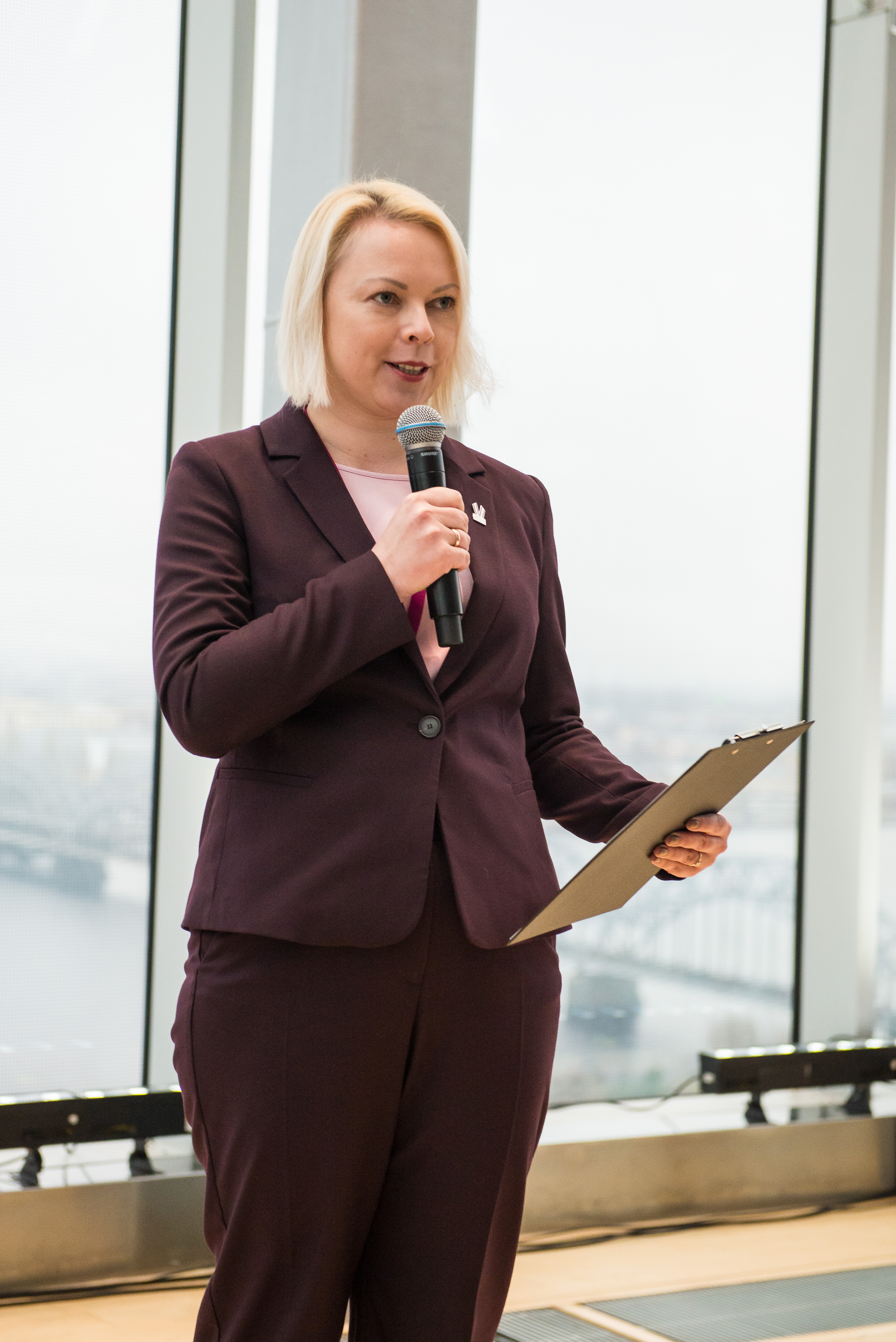
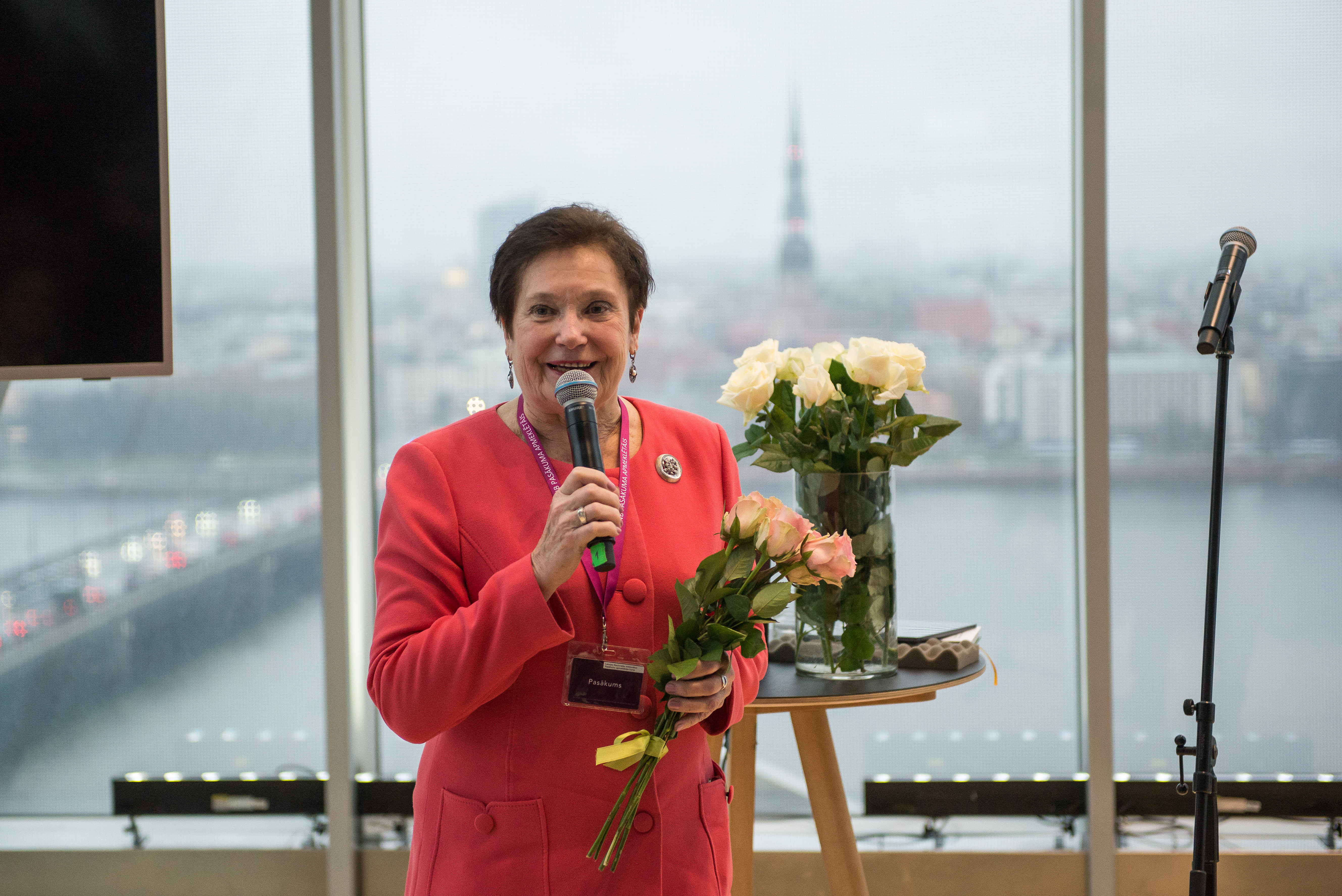
“Our aim was to tell the stories of people – both the experiences of colleagues who laid the foundations for the institute’s development and those of researchers who continue their scientific work today. The institute’s greatest asset has always been its people, their knowledge, enthusiasm and ability to pass on their experience to future generations,” says Karīna Orlova, Director of the LSIWC.
The stories collected in the book reveal remarkable chapters of Latvian science that are less familiar to the wider public. For example, Uģis Cābulis, Scientific Director and Head of the Polymer Laboratory at the LSIWC, shares memories of the institute’s researchers working in the field of space technology as early as the 1980s and of the path that eventually led to cooperation with the European Space Agency. In 2024, the European launch vehicle Ariane 6 carried cryogenic thermal insulation material developed at the institute into space.
Meanwhile, Aivars Žūriņš, the institute’s former long-serving director and a leading researcher at the Biorefinery Laboratory, recounts how science navigated the transformations of the 1990s, the establishment of charcoal production facilities and the creation of new companies based on the institute’s research.
Although Arno Jundze himself does not come from a chemistry background, accepting the institute’s invitation to create the book opened the door to a world he had previously known little about.
“There is nothing better than meeting intelligent, knowledgeable researchers who talk about their profession in such a way that, at times, you begin to regret not having studied chemistry at school. I am grateful to fate for the opportunity to meet these wonderful scientists, talk to them and discover that chemistry can be not just a job, but a calling and a way of life,” writes Arno Jundze in the book’s introduction.
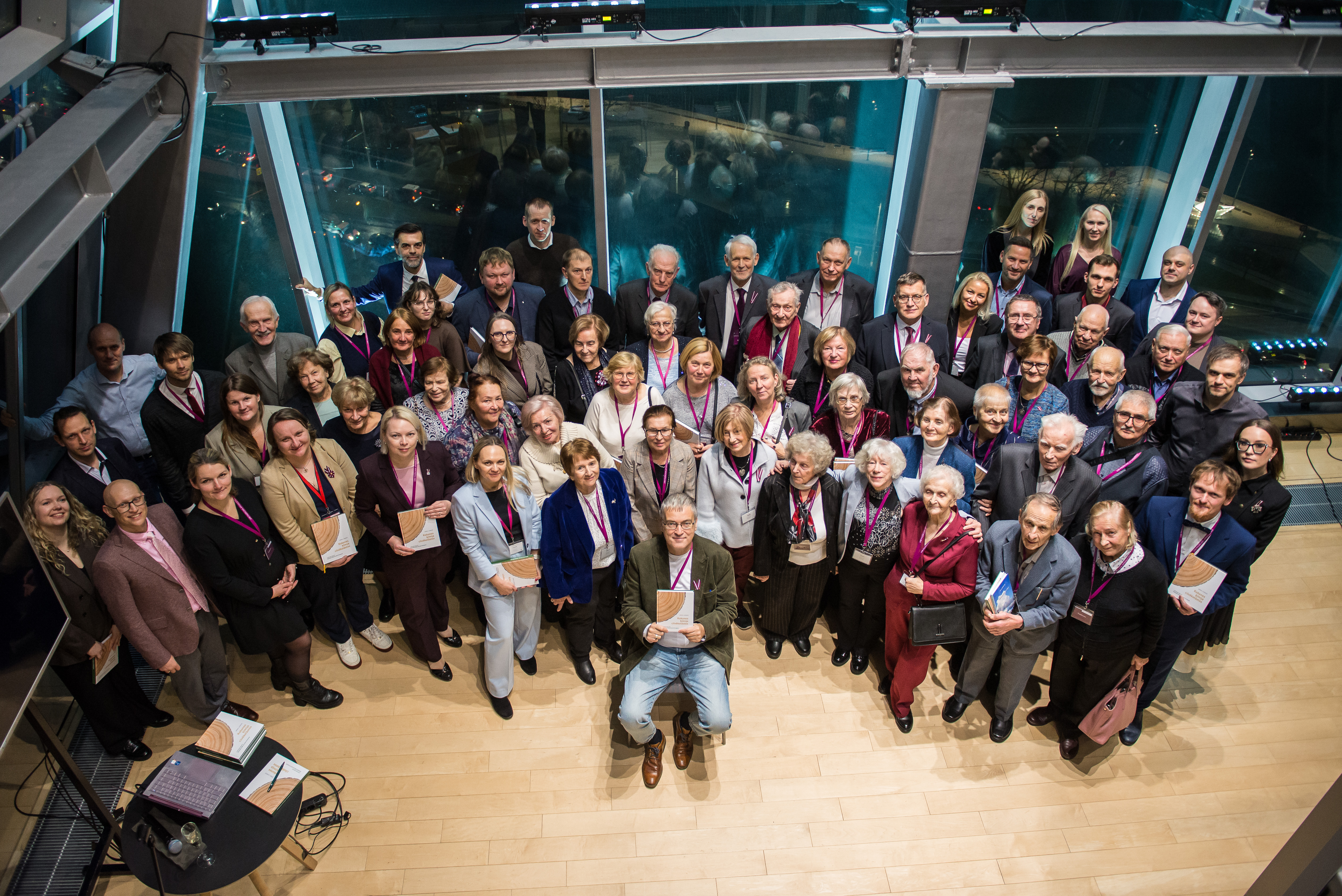
The Latvian State Institute of Wood Chemistry would like to thank writer Arno Jundze and the publishing house Zinātne for their collaboration in bringing the book to life, as well as all former and current institute employees who shared their stories and archival materials.