How to Manage Latvia’s Forests and Make Better Use of Their Resources: State Research Programme “ForestRoute-LV” Launched
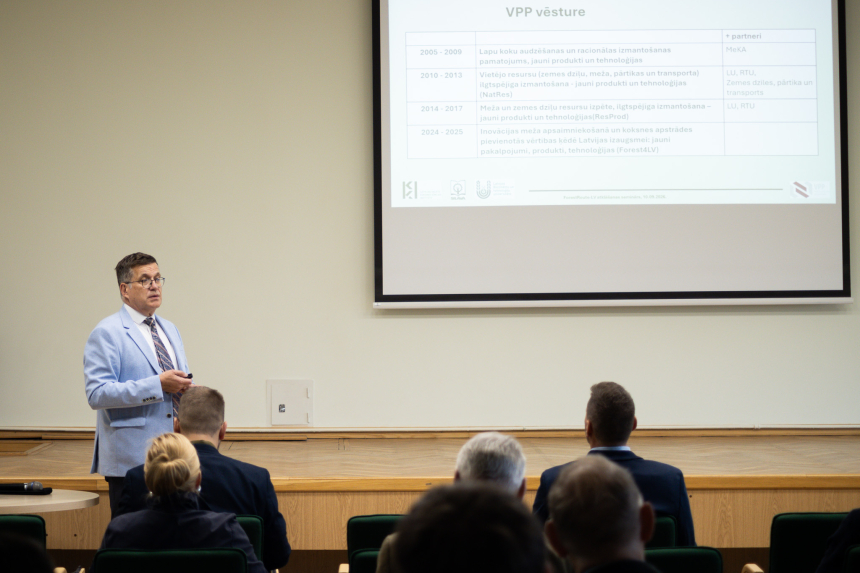
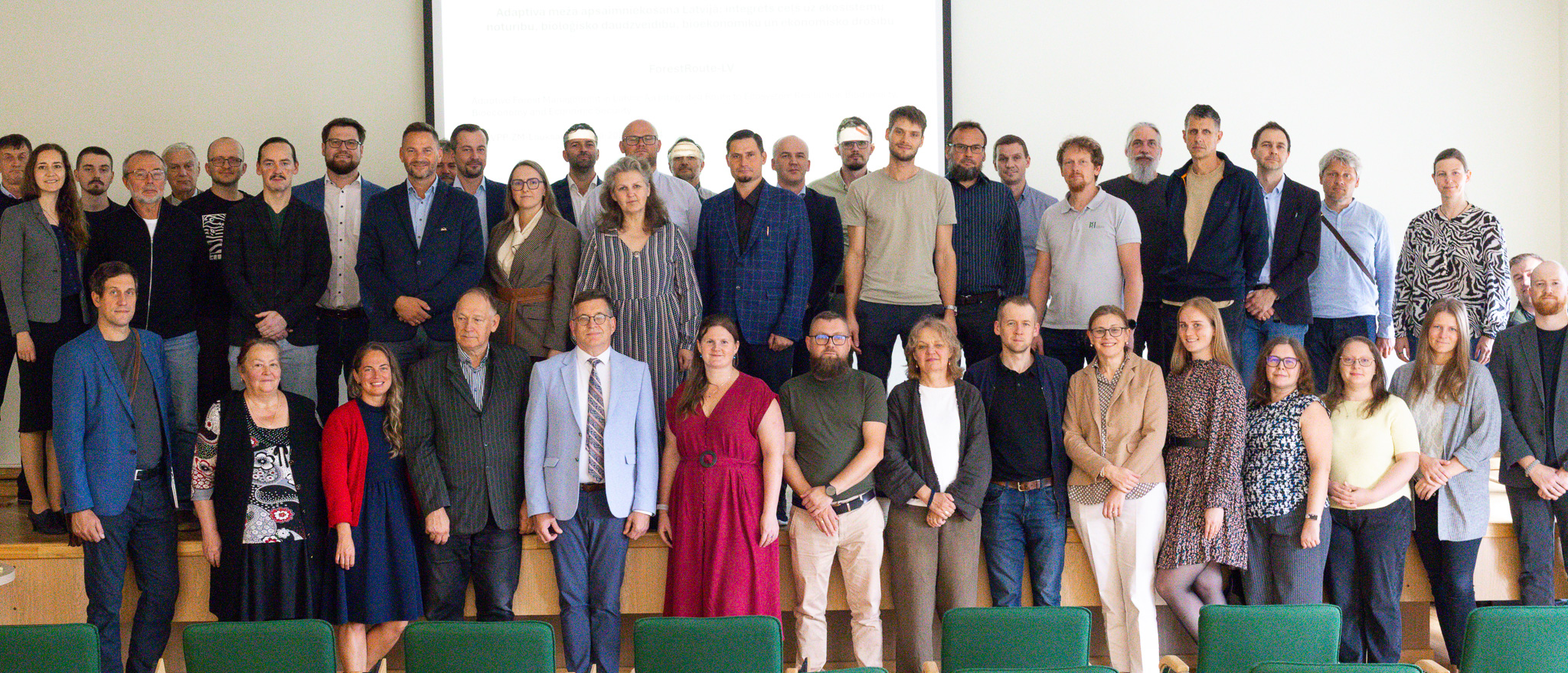
On 10 September, the Latvian State Institute of Wood Chemistry (LSIWC) hosted the opening event of the State Research Programme (SRP) “Adaptive Forest Management in Latvia: An Integrated Route to Ecosystem Resilience, Biodiversity, Bioeconomy and Economic Security (ForestRoute-LV)”. Representatives of science, public administration and the forestry sector outlined the programme’s key objectives and planned implementation, and discussed current issues in forest management in Latvia.
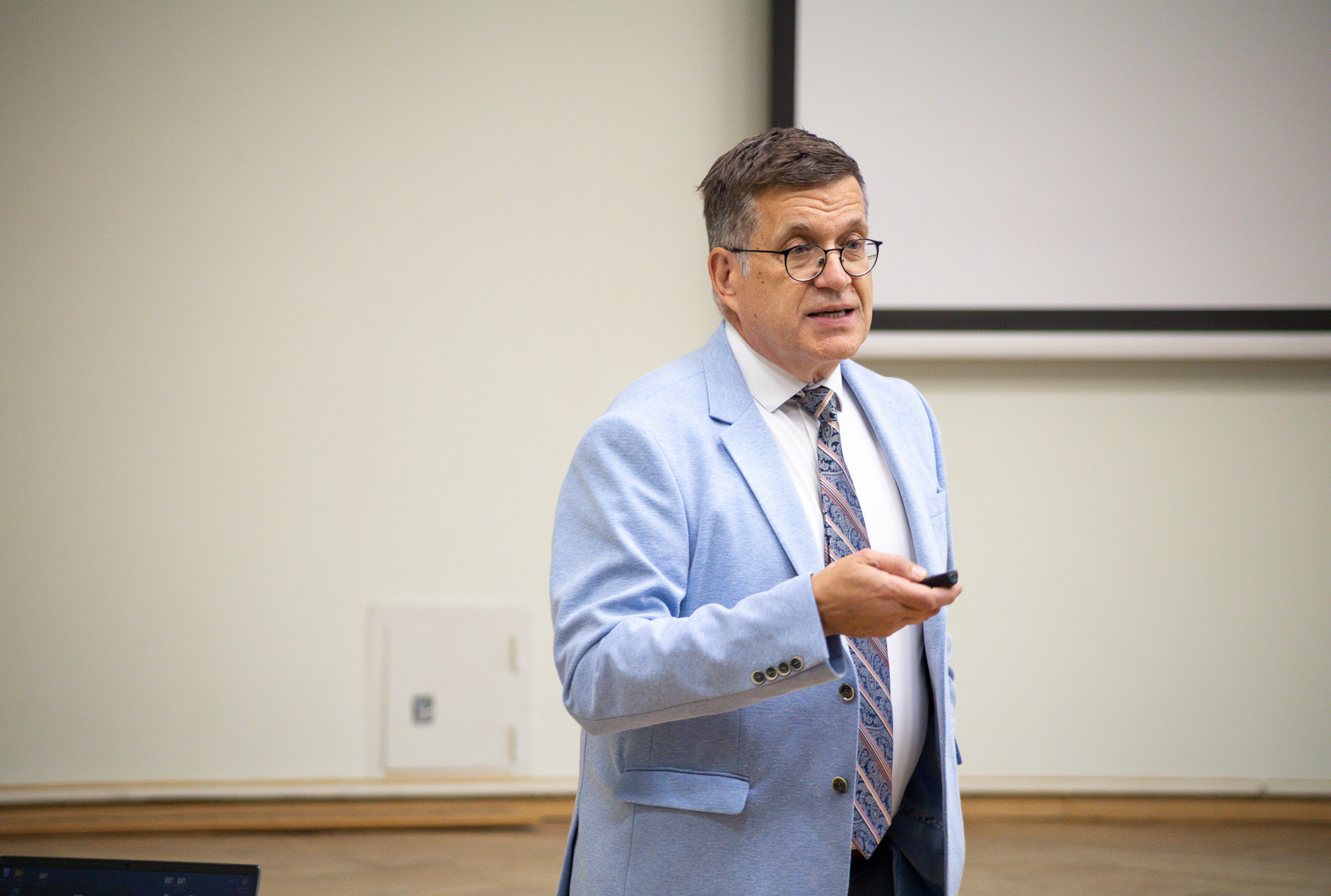
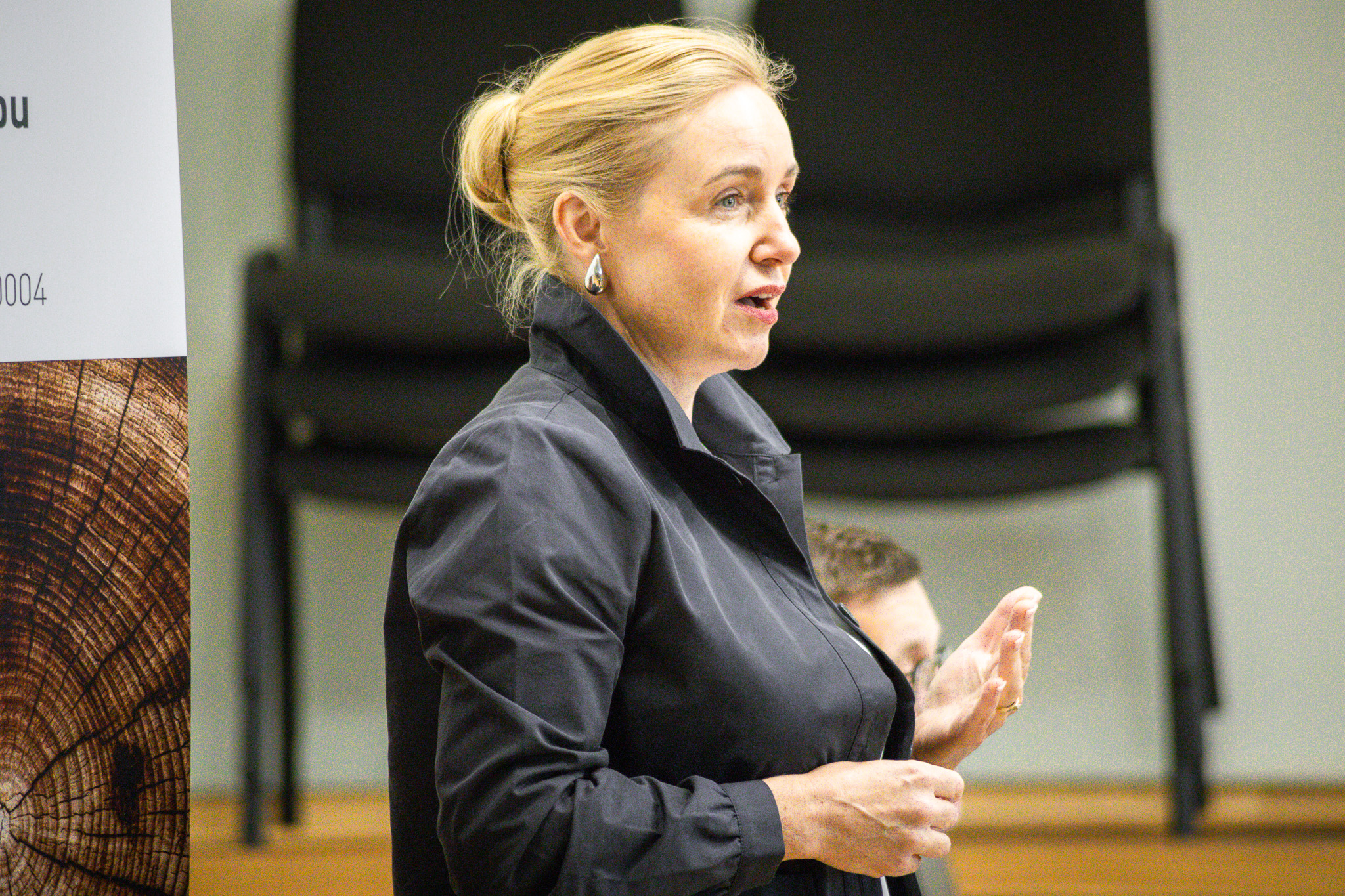
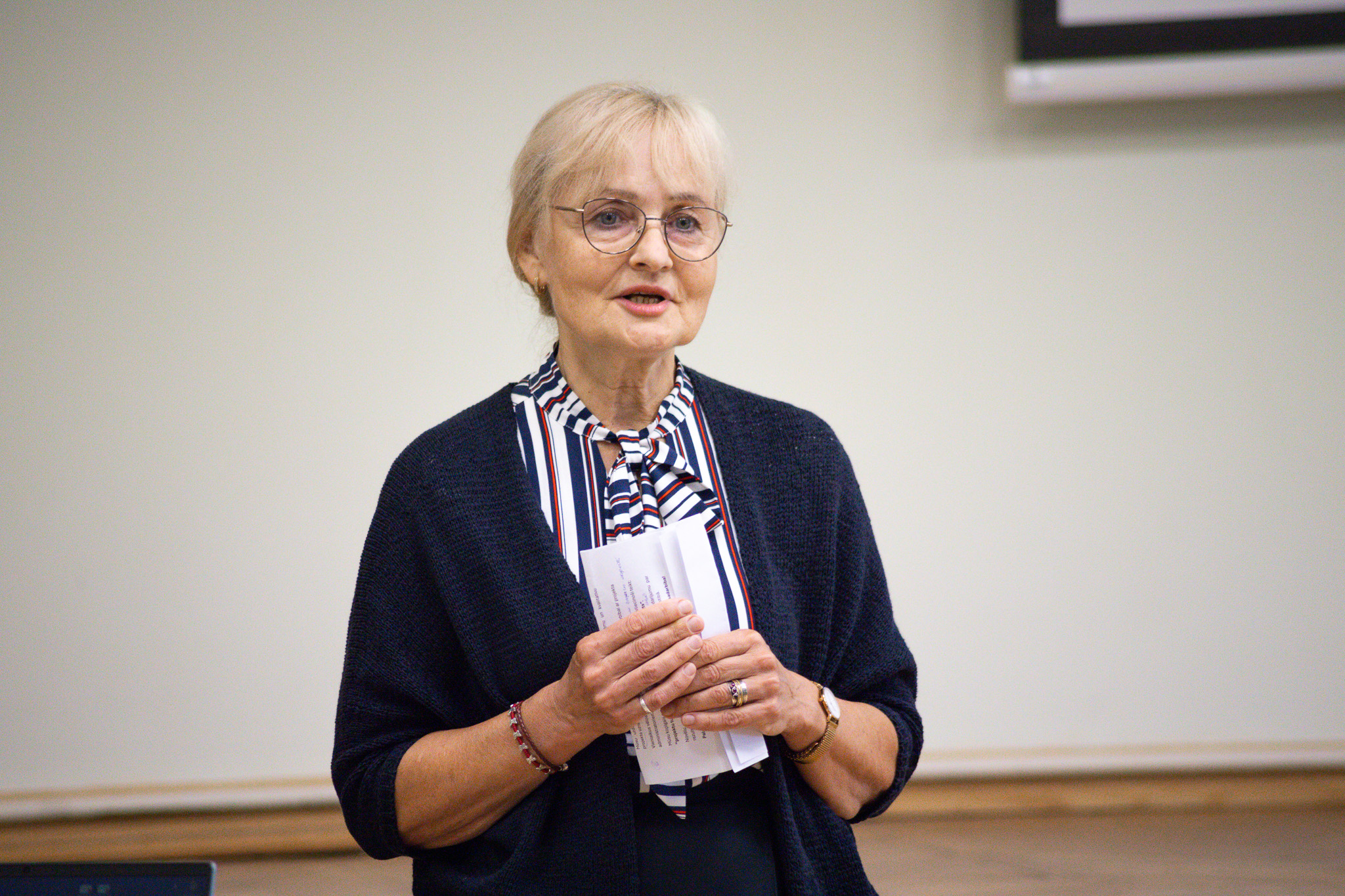
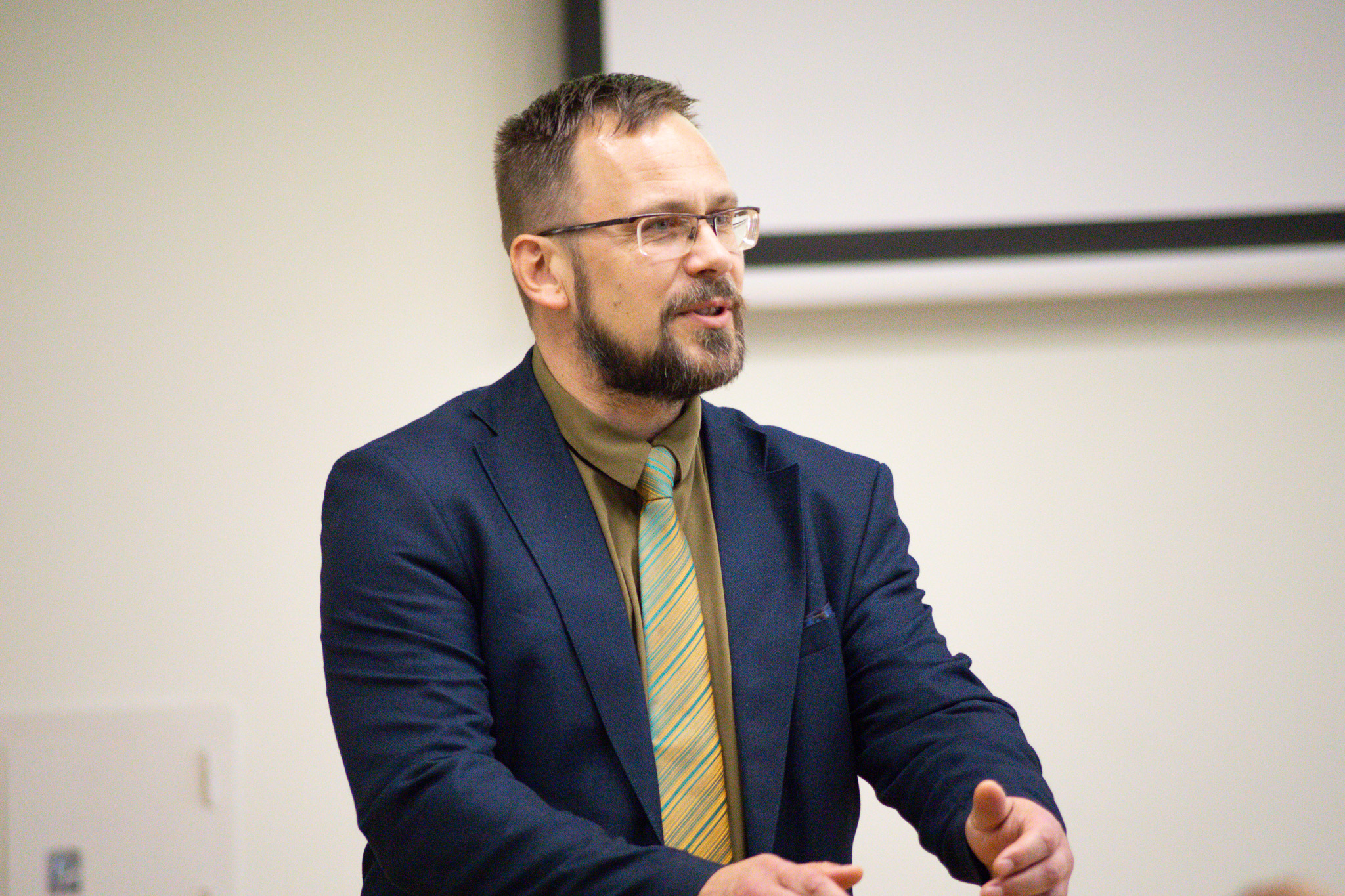
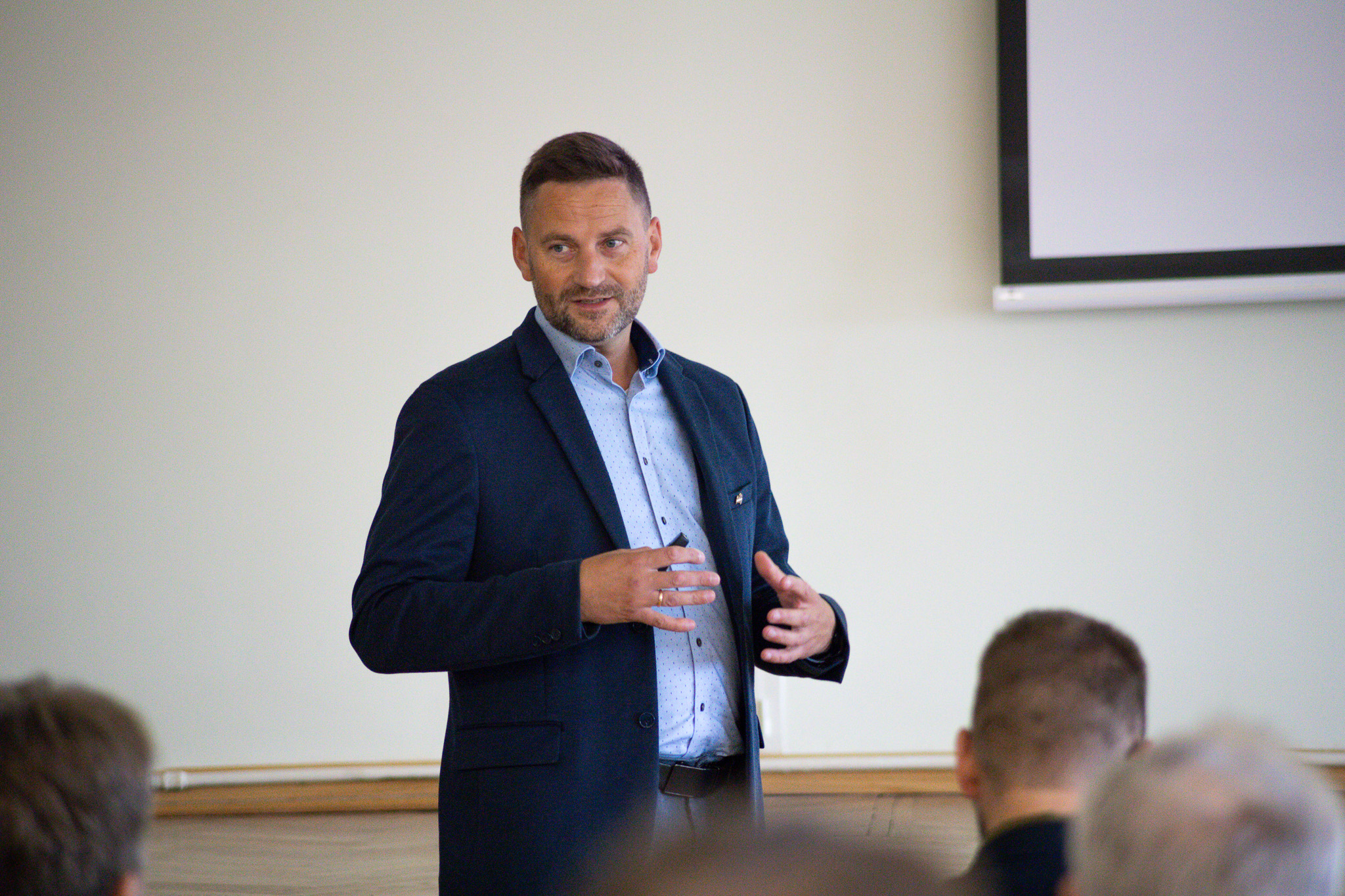
The event was opened by Uģis Cābulis, Scientific Director of the Latvian State Institute of Wood Chemistry and ForestRoute-LV coordinator, who presented the overall project framework, implementation timeline, key tasks and planned research directions.
During the opening session, Inese Aleksejeva, Head of the Education and Science Division at the Ministry of Agriculture, highlighted the significance of the project and its contribution to the development of Latvia’s forestry sector.
Jolanta Vanadziņa, Head of the State Research Programmes Division at the Latvian Council of Science, emphasised the high-quality preparation of the project and its potential to make a significant contribution to the development of forest management in Latvia.
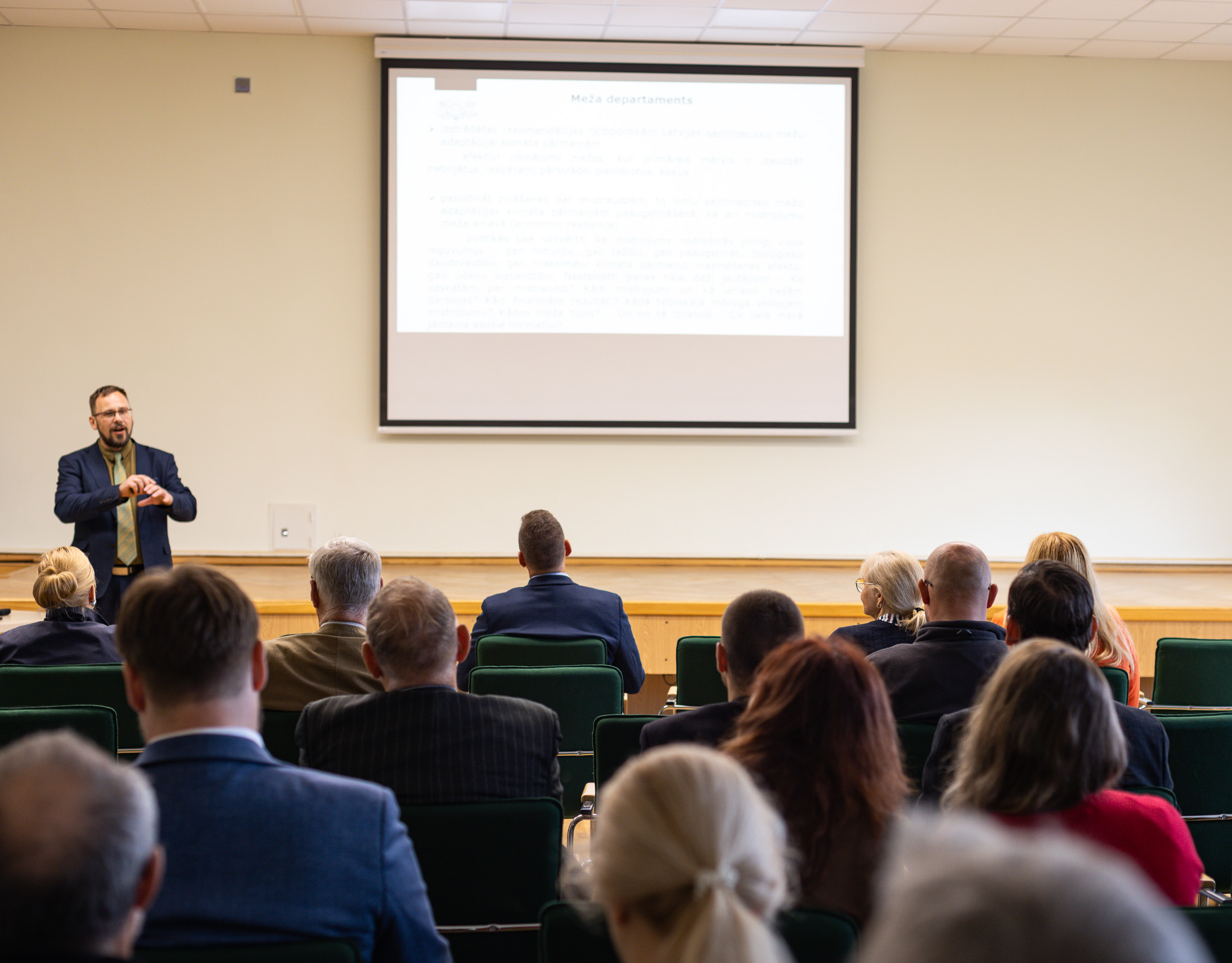
Āris Jansons, Director of the Forest Department at the Ministry of Agriculture, spoke about current developments and plans concerning the regulatory framework for the forestry sector, focusing on ongoing processes in the preparation of relevant regulations.
The event continued with presentations by the researchers involved in the project, who introduced the planned research, key tasks and expected results.
A programme for the future of Latvia’s forests – from climate resilience to the bioeconomy
Latvia’s forests are important natural ecosystems and a foundation for biodiversity, while also providing resources for the development of the bioeconomy. Climate change and changing environmental conditions create a need for new approaches that can strengthen the resilience of forest ecosystems while making more effective use of forest resources.
ForestRoute-LV will address these issues in an integrated way, bringing together the expertise of the Latvian State Institute of Wood Chemistry, the Latvian State Forest Research Institute “Silava” and the Latvia University of Life Sciences and Technologies.
The project will explore adaptive and climate-resilient forest management approaches, as well as biodiversity conservation and monitoring. It will also develop new methods for data collection and assessment, including the use of acoustic monitoring and LiDAR technologies.
One of the LSIWC research areas will focus on developing innovative materials from low-value and underutilised forest biomass streams. This will help identify new ways to use forest resources more efficiently and create products with higher added value.
“In this programme, we take a broader view of forests – looking both at how to manage them and preserve their natural values, and at how to make fuller use of forest resources. Each partner’s expertise allows us to approach these questions from a different perspective. Together, this will help us seek solutions that will be important for Latvia’s forests in the future,” says ForestRoute-LV coordinator and Scientific Director of the LSIWC Uģis Cābulis.
The project is focused on practical applications. Its planned results include recommendations for policymakers and industry, improved monitoring approaches, and stronger cooperation between science, public administration and the forestry sector.
ForestRoute-LV (project No. VPP-ZM-Lauksaimniecība-2026/1-0004) will be implemented until 31 December 2028. The total eligible project budget is EUR 2.6 million. The project brings together the Latvian State Institute of Wood Chemistry, the Latvian State Forest Research Institute “Silava” and the Latvia University of Life Sciences and Technologies.