High school student's research developed at LSIWC presented at one of the world's largest youth science competitions
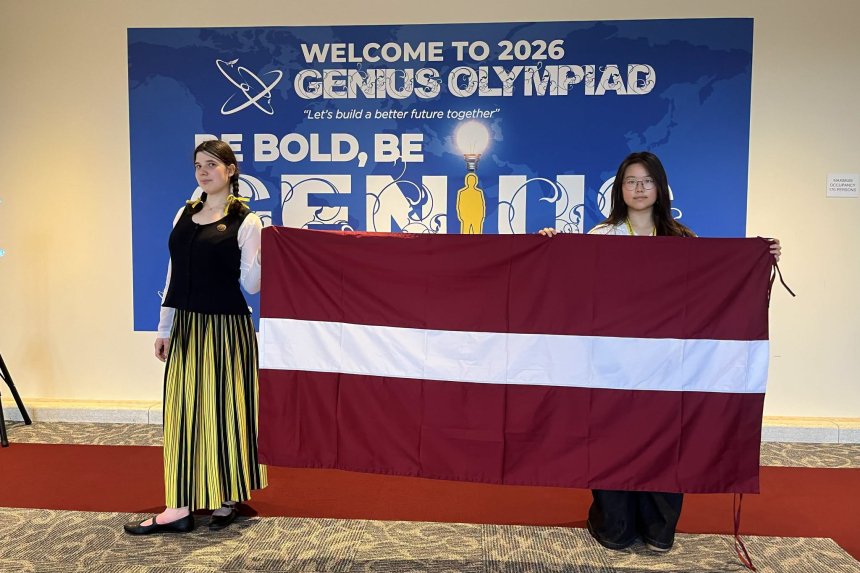
A research project by Xinru Xie on papermaking from black tea residues, carried out at the Cellulose Laboratory of the Latvian State Institute of Wood Chemistry (LSIWC), was presented at the GENIUS Olympiad 2026, an international high school project competition held this June in Rochester, New York (USA).
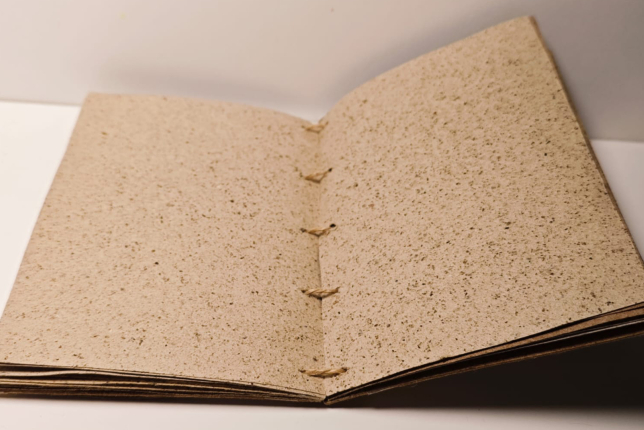
Xinru Xie, an 11th-grade student at Riga State Classical Gymnasium, presented her project, "Papermaking from black tea waste with hemp, pine and waste paper fibers". The aim of the research was to evaluate the potential of black tea residues as an alternative raw material for papermaking, contributing to more sustainable resource use and the principles of the circular economy.
The idea for the project emerged from the search for sustainable ways to utilise by-products from the food industry. At the LSIWC Cellulose Laboratory, various paper samples were produced by combining black tea residues with pine, hemp and recycled paper fibres. The properties of the resulting materials were evaluated, demonstrating that black tea biomass has promising potential as an additive in papermaking while supporting the implementation of circular economy principles.
The scientific consultant of the project was Inese Fiļipova, Leading Researcher at the LSIWC Cellulose Laboratory, while the project supervisor was Marija Kramorenko, a teacher at Riga State Classical Gymnasium.
"Interesting research ideas often arise from the simplest everyday questions. This project required not only creativity but also patience and precision, testing the idea step by step in the laboratory. I am pleased that Xinru approached the research process with genuine curiosity and dedication. Having her research presented at the GENIUS Olympiad is a meaningful recognition of the work she invested," says Inese Fiļipova.
GENIUS Olympiad is one of the world's largest international high school project competitions dedicated to environmental issues and sustainability. Students from around the world present projects across eight categories, including science, business, art, robotics and others. This year, the competition received 5,206 project submissions from 79 countries, with 965 projects selected as finalists.
Reflecting on her experience, Xinru Xie says:
"During the event, I had the opportunity to meet young people from many different countries, make new friends and broaden my perspective by exchanging ideas and research experiences. One of my warmest memories will be the cultural evening, where participants shared the traditions, culture and stories of their home countries."
The Latvian State Institute of Wood Chemistry regularly involves high school and university students in research, providing opportunities to work alongside scientists in laboratories and gain hands-on experience in scientific research. Examples like this demonstrate how collaboration between schools and research institutions helps young researchers develop their ideas and present their work to an international audience.
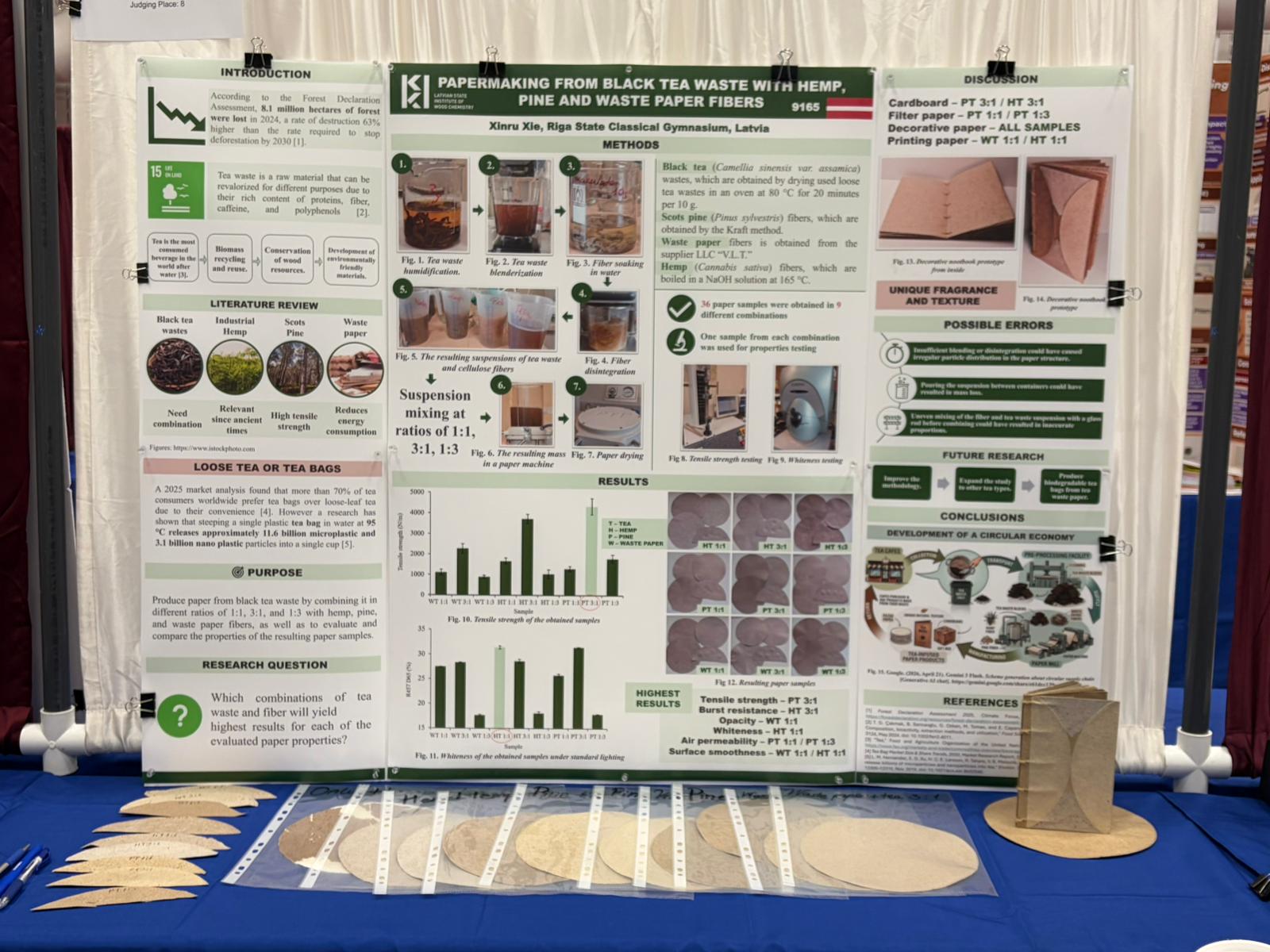
Photo: Xinru Xie and the State Education Development Agency (Facebook)