FIBRIX Project Partners Meet in Finland to Launch Three-Year Collaboration
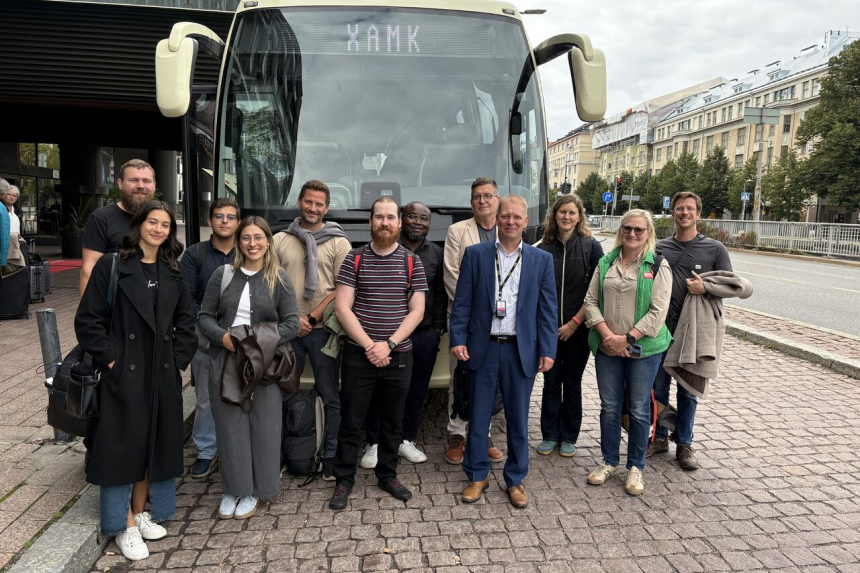
On September 1, the FIBRIX project (Forest Integrated Biomass Refining for Innovation and Excellence) officially got underway with the first project partner meeting in Savonlinna, Finland. Over the next three years, nine partners from six countries will work together to develop solutions for more efficient use of forest biomass. The Latvian State Institute of Wood Chemistry (LSIWC) will lead one of the project’s work areas, focusing on biomass conversion and fractionation. In addition to participating in the FIBRIX partner meeting, LSIWC representatives took the opportunity to visit LUT University and LAB University of Applied Sciences in Lahti to learn more about the two institutions and discuss potential opportunities for future cooperation.
FIBRIX Project Gets Underway
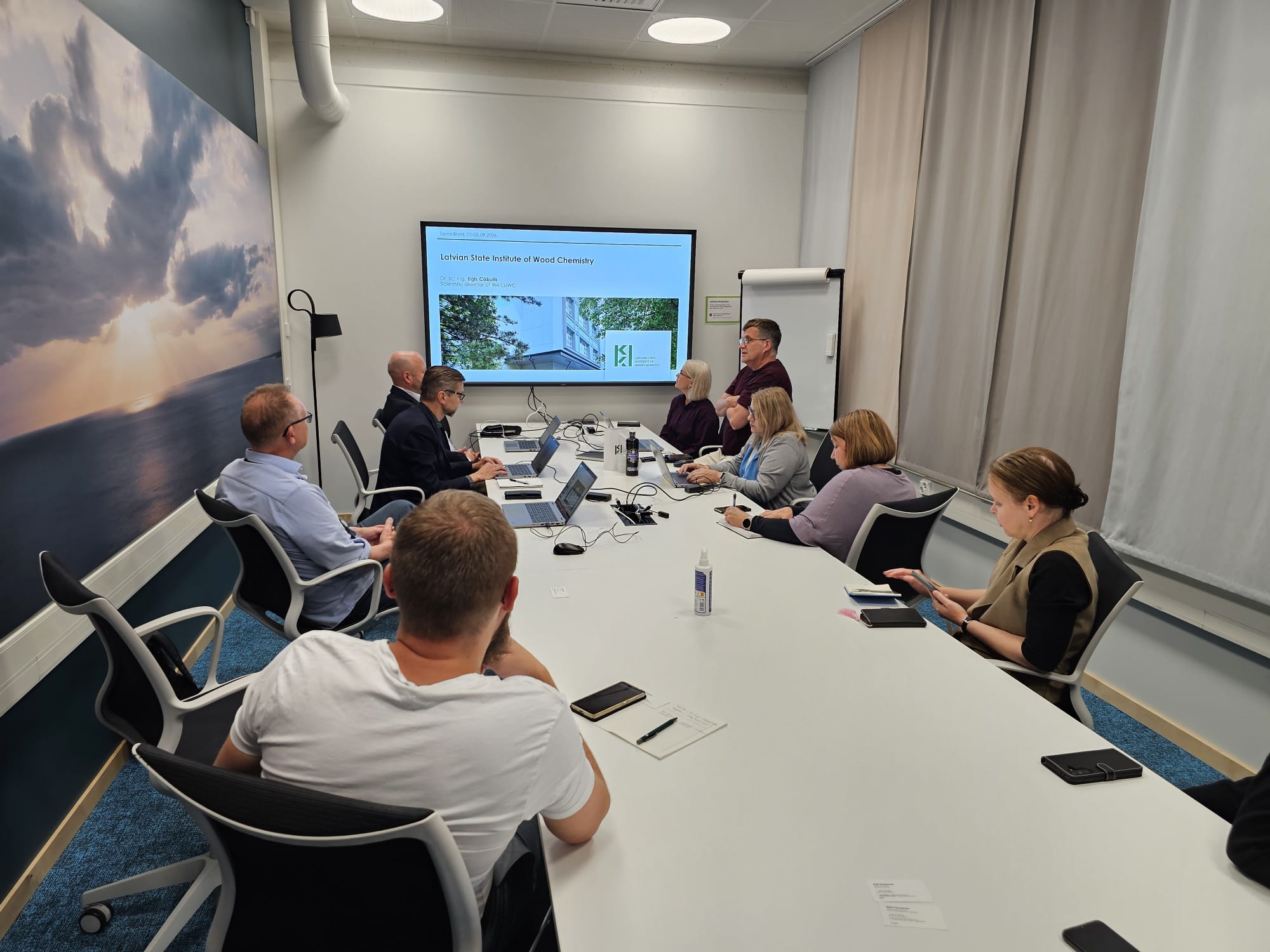
Over the three-day meeting, the partners discussed the project objectives, the work plan for the next 36 months, key tasks, and cooperation throughout the project.
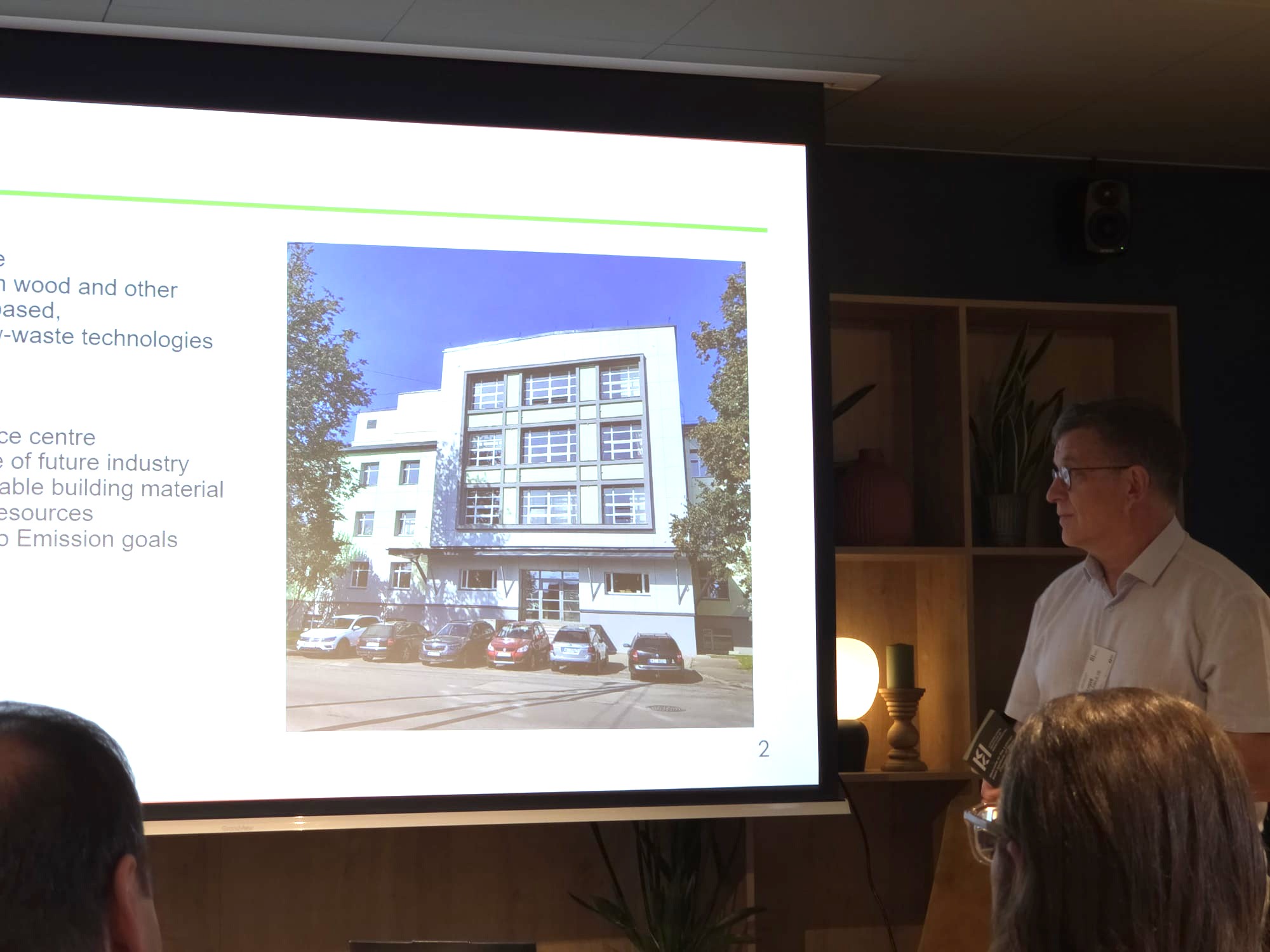
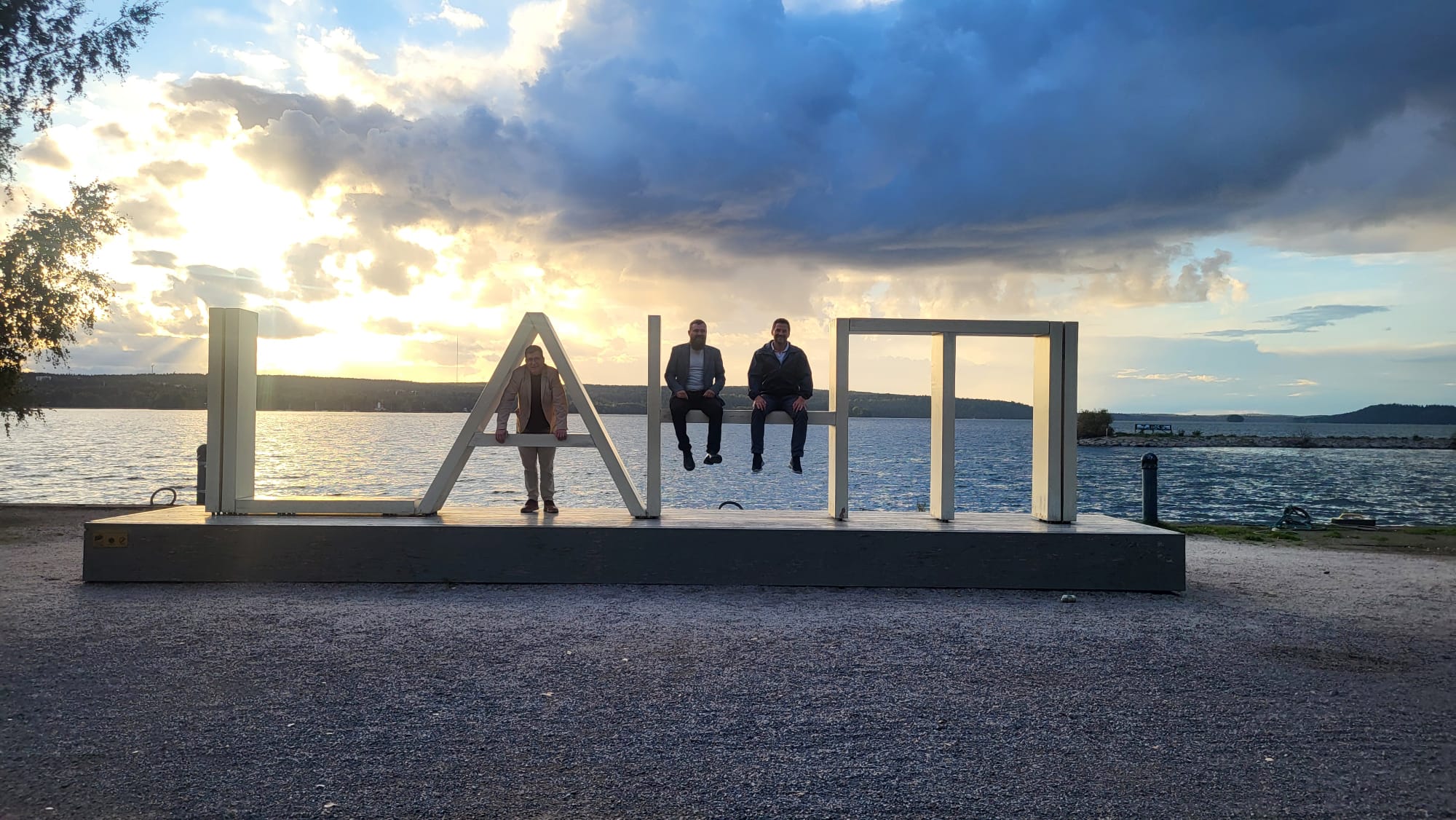
LSIWC was represented at the meeting by the Institute’s Scientific Director Uģis Cābulis, Head of the Biorefining Laboratory and Leading Researcher Jānis Rižikovs, and Leading Researcher Māris Lauberts.
The aim of the FIBRIX project is to develop new solutions for the more efficient use of underutilized forest biomass, such as branches, bark, thinning residues and insect-damaged trees. During the project, the partners will work on sustainable biomass harvesting and pre-treatment technologies, as well as biomass fractionation and processing solutions, with the aim of producing higher-value materials and products from these resources.
During the project, LSIWC will lead Work Package 3 (WP3), “Biomass Conversion & Fractionation,” which focuses on biomass conversion and the separation of its components for further use. This work will draw on the Institute’s expertise in biorefining, one of LSIWC’s key research areas. Biorefining enables the production of various chemical compounds and products from wood and other biomass, supporting more efficient and comprehensive use of bioresources.
“Participation in the FIBRIX project is an important opportunity for LSIWC to apply our expertise in biorefining as part of an international research team. At the same time, leading WP3 is a major responsibility and challenge, as we will be working closely with partners from six countries over the next three years. The first meeting in Finland confirmed that we have built a strong and diverse consortium, and I hope this cooperation will continue beyond the FIBRIX project,” says LSIWC Scientific Director Uģis Cābulis.
New Opportunities for Cooperation in Finland
While in Finland, LSIWC representatives also took the opportunity to visit other research and educational institutions and explore potential opportunities for cooperation.
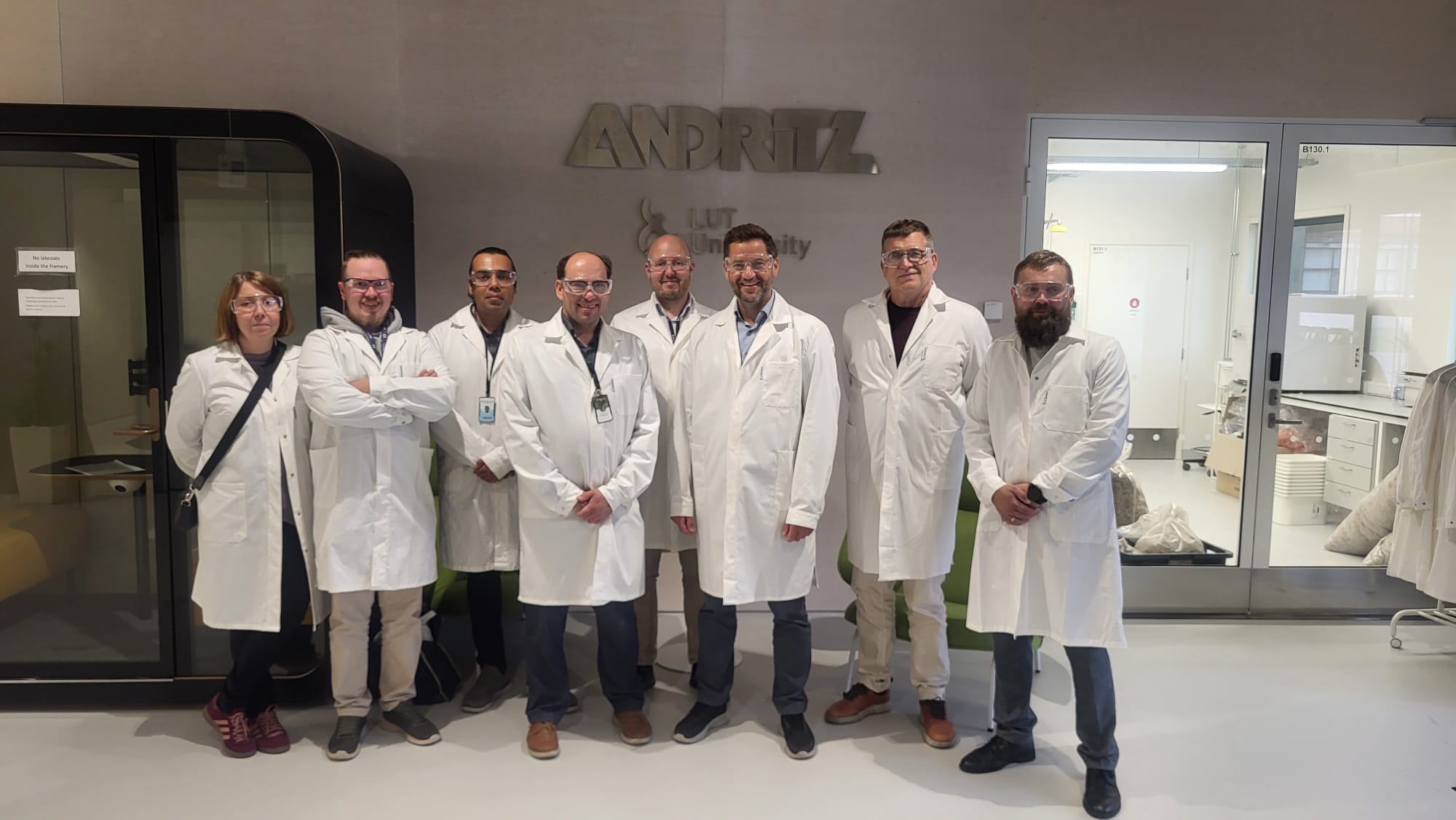
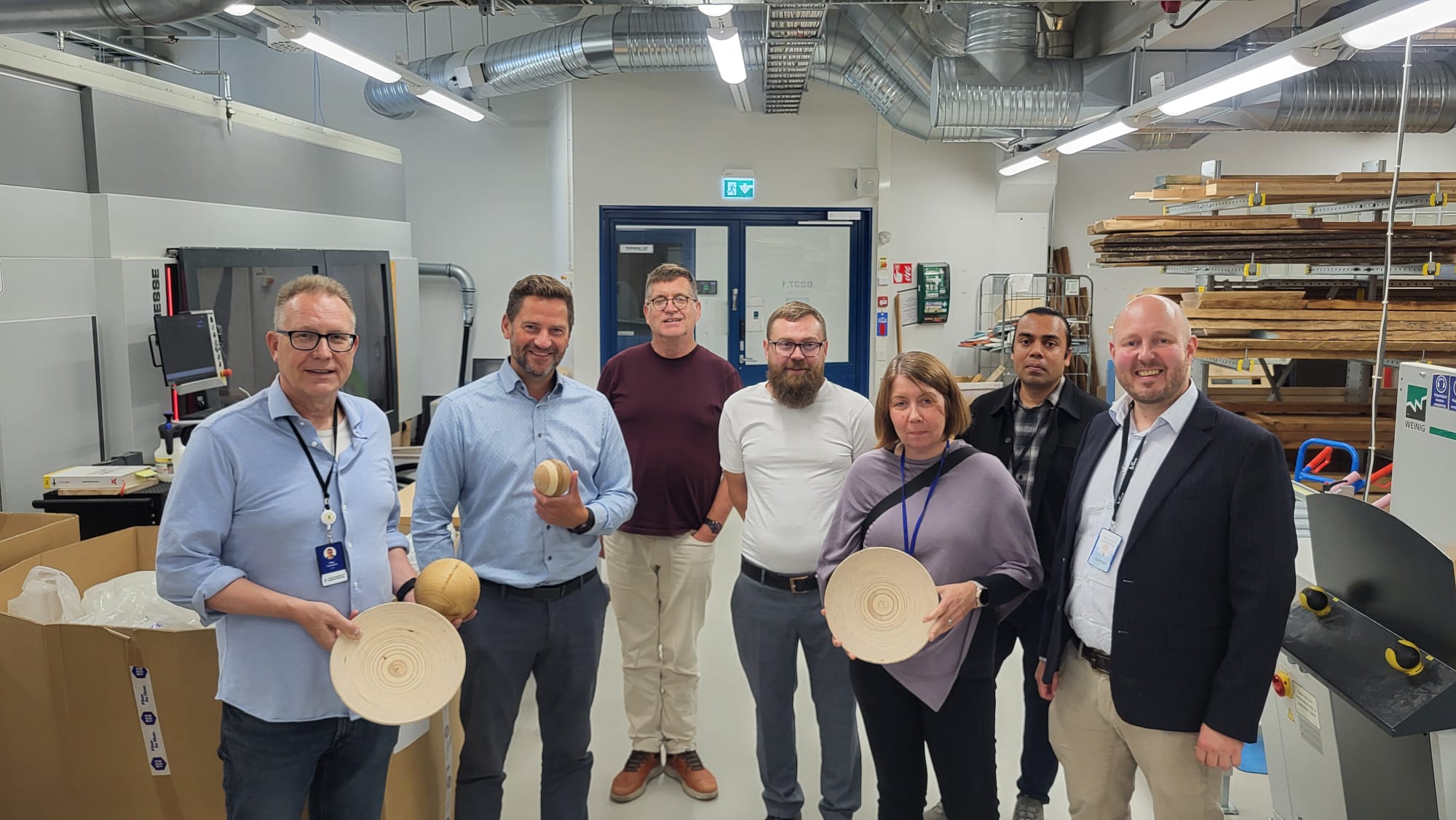
On September 4, Uģis Cābulis, Jānis Rižikovs and Māris Lauberts visited LUT University and LAB University of Applied Sciences in Lahti. During the visit, LSIWC representatives learned about the two institutions’ research and educational activities, including their modern laboratories, woodworking workshops and pilot-scale infrastructure. The meeting also provided an opportunity to discuss the complementary expertise of both sides and possibilities for future cooperation.
The discussions also covered opportunities for student and staff exchanges, joint Horizon Europe and CBE JU project proposals, participation in COST Actions, and other joint initiatives. Both institutions have pilot-scale infrastructure, creating opportunities for further exchange of knowledge and experience.
The visit to Lahti demonstrated LSIWC’s interest in developing long-term cooperation with Finnish research and educational institutions, building new contacts and exploring opportunities for joint research.